The Kigo 季語 Tokyo Prefecture · 東京都

Now

Coming up

Places

PlanPick your weeksFind your reasonsCheck your dates

    Arrow keys to move · Enter to open · Esc to close

    EN 日本語

    Tokyo 東京都

    Twenty-three wards, a belt of western cities and a chain of Pacific islands, where the calendar is set by sumo tournaments, museum seasons and the ginkgo avenues of late November. The prefecture stretches far past the city: the Okutama mountains to the west, the Izu and Ogasawara islands a thousand kilometres to the south.
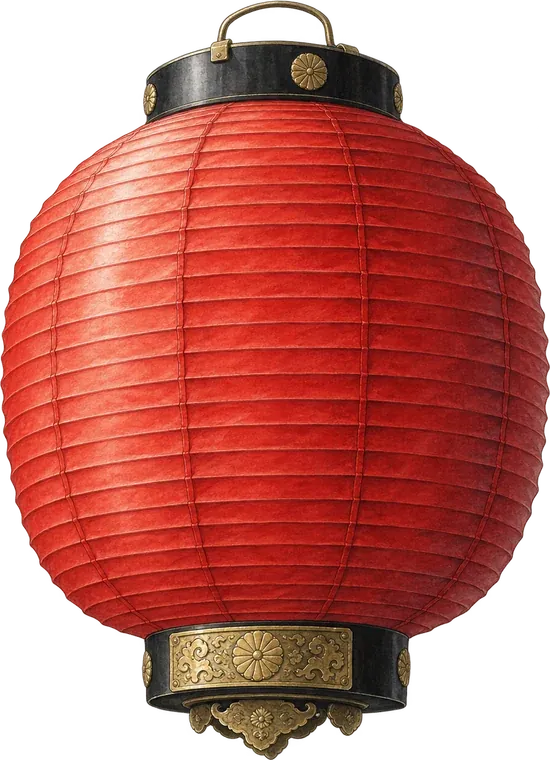
    Kaminarimon lantern
    Kaminarimon lanternThe great red lantern at the gate of Senso-ji in Asakusa
    Created by Geolonia (https://geolonia.com/).

    Seasonal calendar

    JANFEBMARAPRMAYJUNJULAUGSEPOCTNOVDEC
    Cherry blossom 24 MAR – 20 APR
    Mount Fuji views 17–28 DEC
    Autumn foliage 05 NOV – 05 DEC

    Notable places

    Notable placeWhy

    千鳥ヶ淵

    24 MAR – 08 APR · Nature · Cherry blossom

    Cherry blossom — Chidorigafuchi 千鳥ヶ淵

    Tokyo

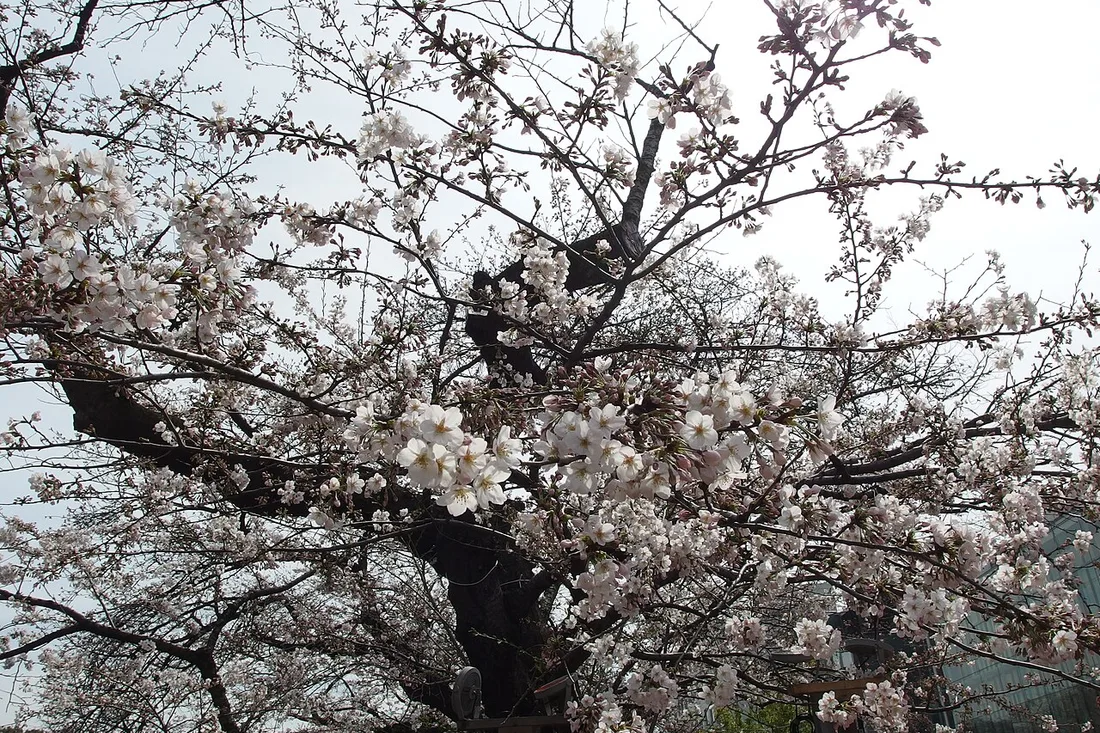
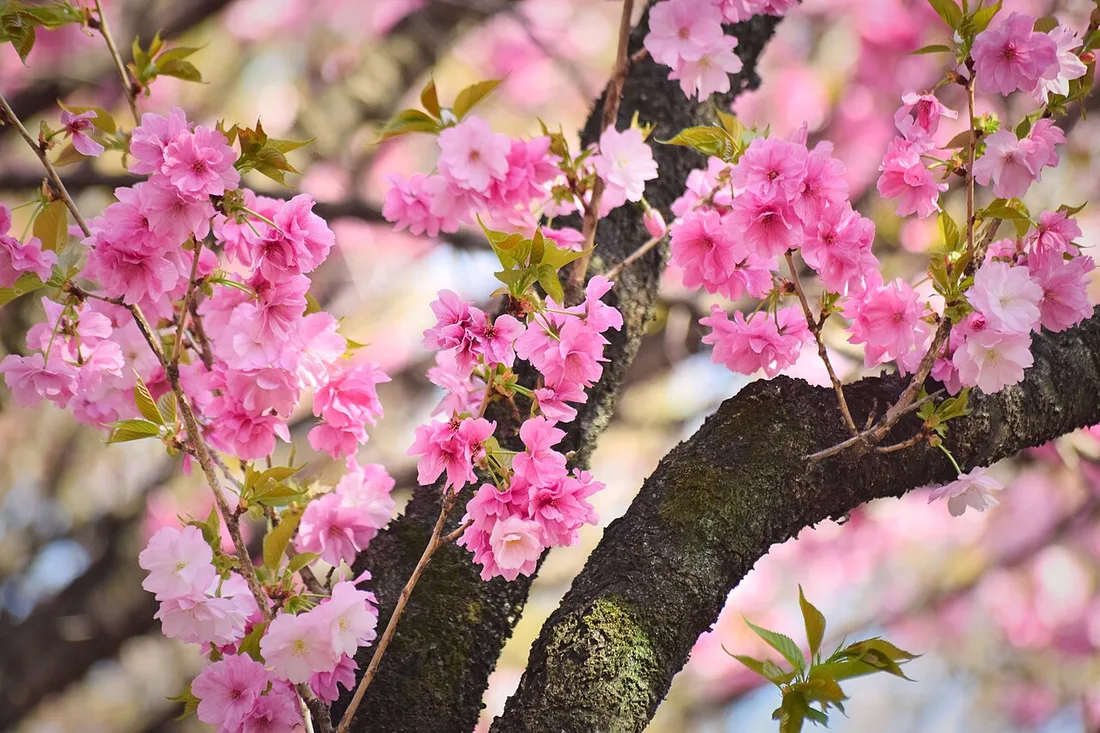
    Cherry blossom on the branches above the Chidorigafuchi promenade at the end of March
    Rowing boats under the cherry blossom on the Chidorigafuchi moat at the end of March

    A 700-metre promenade along the moat of the Imperial Palace, lined with about 140 cherry trees that lean out over the water. Rowing boats go out from the pier at the northern end, so the blossom is seen from below as much as from the path. Tokyo’s normal first flowering is 24 March, full bloom 31 March.

    Dates
    24 MAR – 08 APR
    Where
    TokyoGoogle Maps
    Survive
    Heavy. The path is made one-way at the peak and the boat queue runs to hours at weekends: come on a weekday before 10:00, or walk it after dark in the festival weeks, when the trees are lit.
    Access
    10 min on foot from Kudanshita Stn, exit 2; Hanzomon Stn is 5 min from the southern end of the promenade.
    Source
    Official siteCherry blossom page · checked 2026-09-24
    Photos
    2 photos · credits
    1. Guilhem Vellut · CC BY 2.0
    2. Guilhem Vellut · CC BY 2.0

    1 h · Open in Google Maps

    A 700-metre promenade along the moat of the Imperial Palace, lined with about 140 cherry trees that lean out over the water. Rowing boats go out from the pier at the northern end, so the blossom is seen from below as much as from the path. Tokyo’s normal first flowering is 24 March, full bloom 31 March. Cherry blossom on the branches above the Chidorigafuchi promenade at the end of March

    Photo · Guilhem Vellut · CC BY 2.0

    亀戸天神社

    12–30 APR · Nature · Wisteria

    Wisteria — Kameido Tenjin 亀戸天神社

    Tokyo

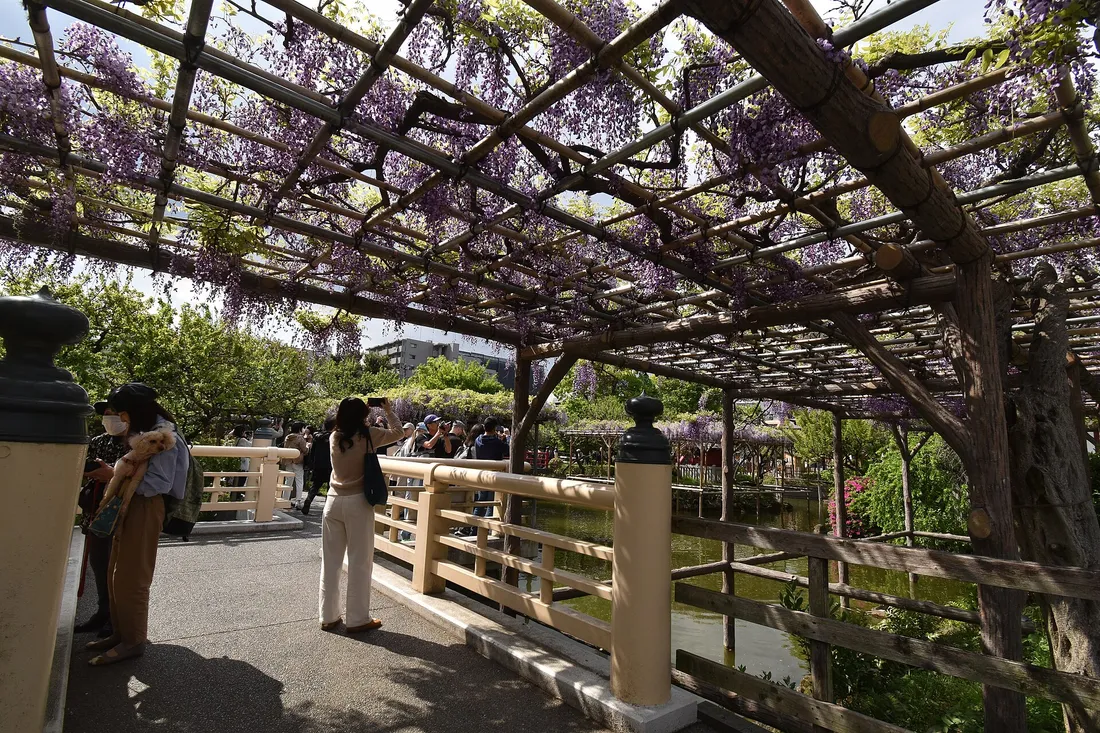
    Wisteria hanging from the trellises over the pond at Kameido Tenjin
    The red arched bridge of Kameido Tenjin with wisteria trellises behind it

    Wisteria trellises over a pond crossed by arched bridges, a flower-viewing spot since the Edo period and the subject of a print in Hiroshige’s One Hundred Famous Views of Edo. More than 50 vines flower together in mid to late April, now with Tokyo Skytree behind them.

    Dates
    12–30 APR
    Where
    TokyoGoogle Maps
    Survive
    Heavy. The precinct is small and packed at weekends in late April. Come early in the morning, or after sunset: the trellises are lit until 21:00 during the festival.
    Holidays
    Showa Day · long weekend: expect full trains and hotels
    Access
    JR Kameido Stn, north exit, 15 min on foot; the Toei bus stop Kameido-Tenjin-mae is at the gate.
    Source
    Official site · checked 2026-09-19
    Photos
    2 photos · credits
    1. Fred Cherrygarden · CC BY-SA 4.0
    2. Guilhem Vellut · CC BY 2.0

    1 h · Open in Google Maps

    Wisteria trellises over a pond crossed by arched bridges, a flower-viewing spot since the Edo period and the subject of a print in Hiroshige’s One Hundred Famous Views of Edo. More than 50 vines flower together in mid to late April, now with Tokyo Skytree behind them. Wisteria hanging from the trellises over the pond at Kameido Tenjin

    Photo · Fred Cherrygarden · CC BY-SA 4.0

    高尾山

    17–28 DEC · Nature · Mount Fuji views

    Mount Fuji views — Mount Takao 高尾山

    Tokyo

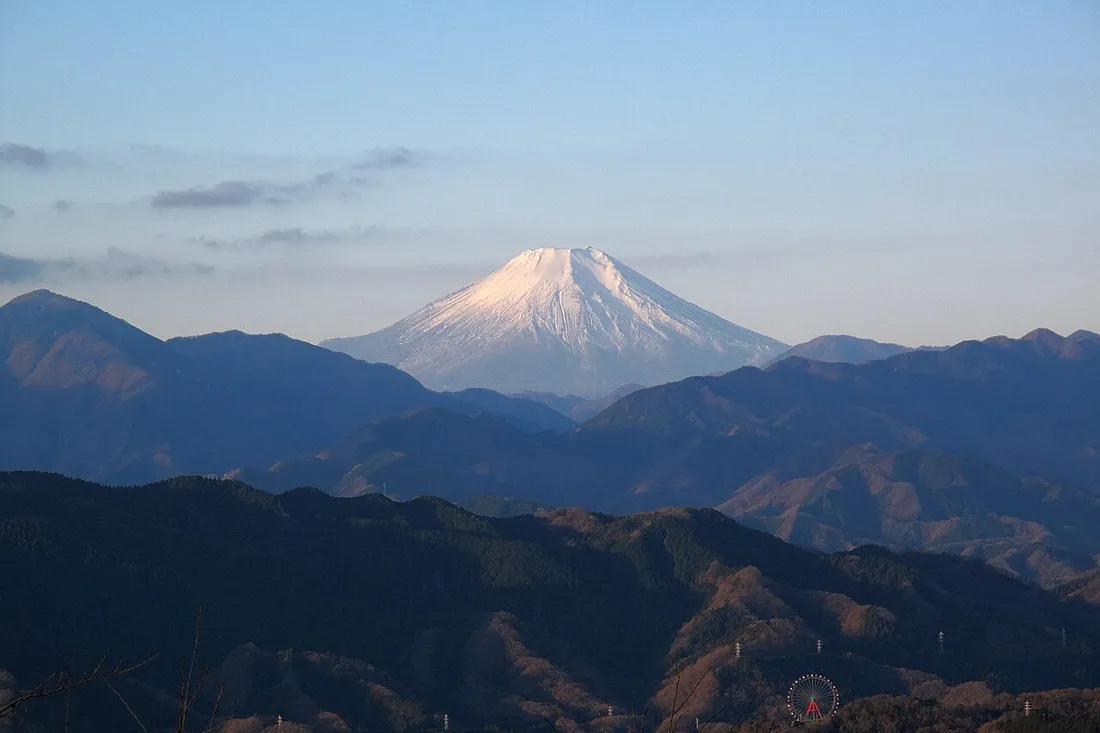
    Snow-capped Mount Fuji above the Tanzawa ridges, seen from near the summit of Mount Takao in January
    Red and orange maples against a hall of Yakuo-in temple on Mount Takao
    Crowds under the maples at the foot of the Mount Takao cable car in late November

    A 599 m mountain 50 minutes from Shinjuku with two windows. From mid-November to early December the maples colour along the cable car, around Yakuo-in temple and on the summit. Around the winter solstice the sun sets exactly on the summit of Mount Fuji as seen from the top and from Momijidai, five minutes beyond it: Diamond Fuji, at about 16:15.

    Dates
    17–28 DEC
    Where
    TokyoGoogle Maps
    Survive
    For Diamond Fuji bring a torch and warm clothes: the descent is in the dark, by trail 1 to the cable car, which runs late on those days only in good weather. November weekends mean long queues for the cable car: come on a weekday.
    Access
    Keio Line from Shinjuku to Takaosanguchi, about 50 min; the cable car is 5 min on foot from the station, and the summit 40 min on foot from its upper station.
    Source
    Official site · checked 2026-09-19
    Photos
    3 photos · credits
    1. Tobihino1977 · CC0
    2. Hotate Chan · CC BY-SA 3.0
    3. Edomura no Tokuzo · CC BY-SA 3.0

    15 NOV – 05 DEC · Nature · Autumn foliage

    Autumn foliage — Mount Takao 高尾山

    Tokyo

    Red and orange maples against a hall of Yakuo-in temple on Mount Takao
    Crowds under the maples at the foot of the Mount Takao cable car in late November
    Snow-capped Mount Fuji above the Tanzawa ridges, seen from near the summit of Mount Takao in January

    A 599 m mountain 50 minutes from Shinjuku with two windows. From mid-November to early December the maples colour along the cable car, around Yakuo-in temple and on the summit. Around the winter solstice the sun sets exactly on the summit of Mount Fuji as seen from the top and from Momijidai, five minutes beyond it: Diamond Fuji, at about 16:15.

    Dates
    15 NOV – 05 DEC
    Where
    TokyoGoogle Maps
    Survive
    Heavy. For Diamond Fuji bring a torch and warm clothes: the descent is in the dark, by trail 1 to the cable car, which runs late on those days only in good weather. November weekends mean long queues for the cable car: come on a weekday.
    Holidays
    Labour Thanksgiving Day · long weekend: expect full trains and hotels
    Access
    Keio Line from Shinjuku to Takaosanguchi, about 50 min; the cable car is 5 min on foot from the station, and the summit 40 min on foot from its upper station.
    Source
    Official siteAutumn foliage page · checked 2026-09-19
    Photos
    3 photos · credits
    1. Hotate Chan · CC BY-SA 3.0
    2. Edomura no Tokuzo · CC BY-SA 3.0
    3. Tobihino1977 · CC0

    3–4 h · Open in Google Maps

    A 599 m mountain 50 minutes from Shinjuku with two windows. From mid-November to early December the maples colour along the cable car, around Yakuo-in temple and on the summit. Around the winter solstice the sun sets exactly on the summit of Mount Fuji as seen from the top and from Momijidai, five minutes beyond it: Diamond Fuji, at about 16:15. Snow-capped Mount Fuji above the Tanzawa ridges, seen from near the summit of Mount Takao in January

    Photo · Tobihino1977 · CC0

    向島百花園

    24–26 SEP · Nature · Moon-viewing

    Moon-viewing — Mukojima-Hyakkaen 向島百花園

    Tokyo

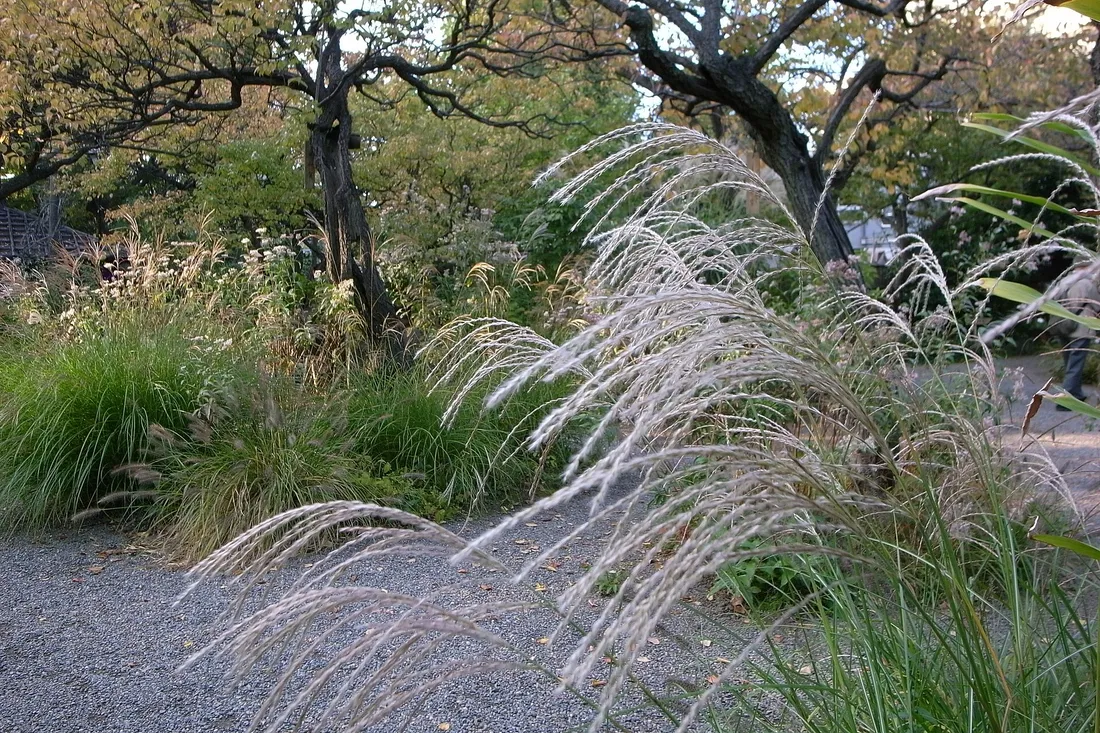
    Silver pampas grass, the plant of moon-viewing offerings, in Mukojima-Hyakkaen in November
    The wooden gate of Mukojima-Hyakkaen with the garden's name board

    The one surviving flower garden of the Edo townspeople, opened in the early nineteenth century, and it still keeps their moon-viewing: for three evenings around the harvest moon the garden stays open until 21:00, painted lanterns are lit along the paths from 17:50 and a koto plays from 18:00 to 20:00. The 30 m tunnel of bush clover flowers in the same weeks.

    Dates
    24–26 SEP
    Where
    TokyoGoogle Maps
    Survive
    In 2026 the evenings are 24–26 September, last entry 20:30; tea in the tea house on the 25th and 26th, 15:00–20:00, ¥1,500. The koto and the opening ceremony are cancelled in rain.
    Access
    Higashi-Mukojima Stn on the Tobu Skytree Line, 8 min on foot; Keisei Hikifune, 13 min.
    Heritage
    Place of Scenic Beauty and Historic Site · 1978 向島百花園 名勝・史跡
    Source
    Official siteMoon-viewing page · checked 2026-09-19
    Photos
    2 photos · credits
    1. na0905 · CC BY 2.0
    2. Arashiyama · CC BY-SA 3.0

    1 h · Open in Google Maps

    The one surviving flower garden of the Edo townspeople, opened in the early nineteenth century, and it still keeps their moon-viewing: for three evenings around the harvest moon the garden stays open until 21:00, painted lanterns are lit along the paths from 17:50 and a koto plays from 18:00 to 20:00. The 30 m tunnel of bush clover flowers in the same weeks.

    Place of Scenic Beauty and Historic Site · 1978

    Silver pampas grass, the plant of moon-viewing offerings, in Mukojima-Hyakkaen in November

    Photo · na0905 · CC BY 2.0

    新宿御苑

    24 MAR – 20 APR · Nature · Cherry blossom

    Cherry blossom — Shinjuku Gyoen 新宿御苑

    Tokyo

    Deep-pink double cherry blossom close up at Shinjuku Gyoen at the end of March
    Cherry trees around the great lawn of Shinjuku Gyoen in April, with the Docomo tower behind

    A former imperial garden of 58 hectares in the middle of Shinjuku, with about 900 cherry trees of some 70 varieties, so the season runs long: early kanzakura from February, Somei-yoshino from late March, then the double-flowered yaezakura into mid-April on the wide lawns of the English garden. Tokyo’s normal first flowering is 24 March, full bloom 31 March.

    Dates
    24 MAR – 20 APR
    Where
    TokyoGoogle Maps
    Survive
    Heavy. No alcohol and no bicycles inside, and the gates may switch to advance booking at weekends in the cherry weeks. Go on a weekday at the 9:00 opening; the yaezakura of mid-April draw half the crowd of the Somei-yoshino.
    Access
    Shinjuku Gate is 5 min from Shinjuku-gyoemmae Stn on the Marunouchi line and 10 min from JR Shinjuku Stn; Sendagaya Gate is 5 min from JR Sendagaya Stn.
    Source
    Official siteCherry blossom page · checked 2026-09-24
    Photos
    2 photos · credits
    1. Raita Futo · CC BY 2.0
    2. Kakidai · CC BY-SA 4.0

    2 h · Open in Google Maps

    A former imperial garden of 58 hectares in the middle of Shinjuku, with about 900 cherry trees of some 70 varieties, so the season runs long: early kanzakura from February, Somei-yoshino from late March, then the double-flowered yaezakura into mid-April on the wide lawns of the English garden. Tokyo’s normal first flowering is 24 March, full bloom 31 March. Deep-pink double cherry blossom close up at Shinjuku Gyoen at the end of March

    Photo · Raita Futo · CC BY 2.0

    国営昭和記念公園

    12 SEP – 25 OCT · Nature · Cosmos

    Cosmos — Showa Kinen Park 国営昭和記念公園

    Tokyo

    Pink cosmos on the Flower Hill at Showa Kinen Park in late October
    Cosmos against the sky on the Flower Hill, late in the season
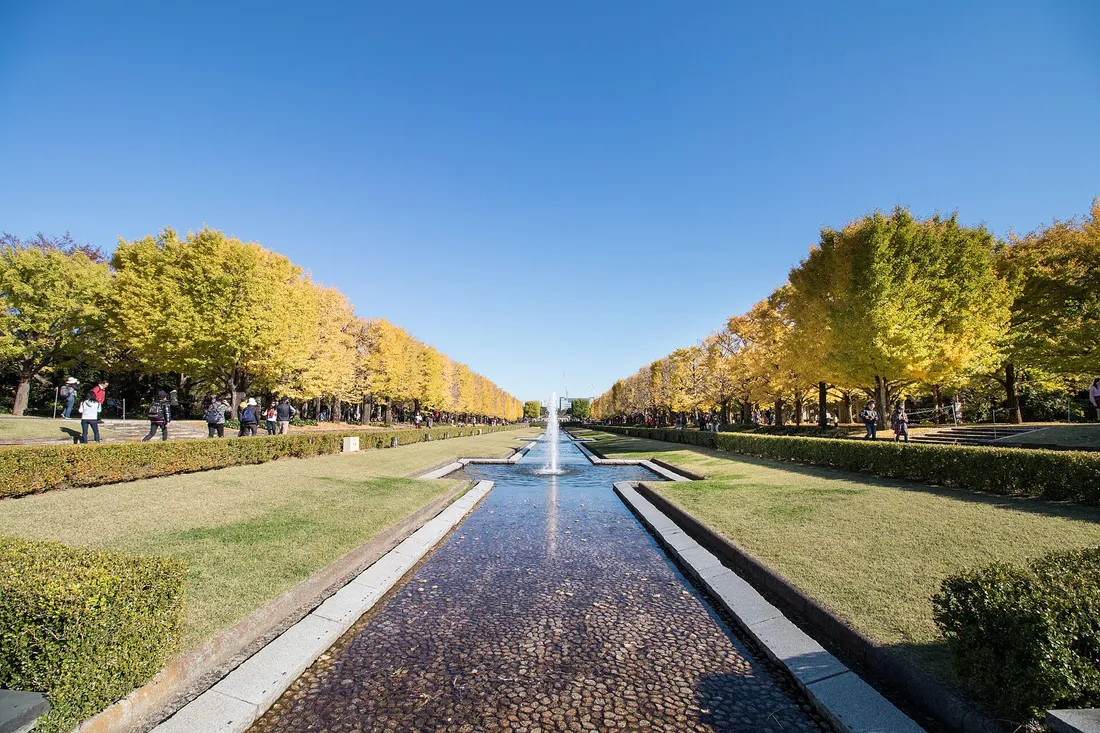
    The Canal at Showa Kinen Park between two avenues of yellow ginkgo
    Ginkgo trees reflected in the pond at Showa Kinen Park

    Two windows back to back in a former air base in Tachikawa. Four million yellow cosmos cover the Flower Hill from mid-September, followed by 200,000 Sensation cosmos in October. Then the ginkgo avenues turn: 106 trees along the Canal in early to mid-November, 98 more on the 300 m Katarai avenue in mid to late November.

    Dates
    12 SEP – 25 OCT
    Where
    TokyoGoogle Maps
    Survive
    The park covers about 170 hectares and the Flower Hill is at the far end from the Tachikawa gate: enter from Nishi-Tachikawa or hire a bicycle inside.
    Holidays
    Respect for the Aged Day, Citizens' Holiday, Autumnal Equinox Day, Sports Day · long weekend: expect full trains and hotels
    Access
    JR Ome Line to Nishi-Tachikawa, 2 min on foot to the gate; or 10–18 min on foot from Tachikawa Stn, about 40 min from Tokyo Stn.
    Source
    Official siteCosmos page · checked 2026-09-19
    Photos
    4 photos · credits
    1. Guilhem Vellut · CC BY 2.0
    2. Guilhem Vellut · CC BY 2.0
    3. Kakidai · CC BY-SA 4.0
    4. Kakidai · CC BY-SA 4.0

    05–25 NOV · Nature · Autumn foliage

    Autumn foliage — Showa Kinen Park 国営昭和記念公園

    Tokyo

    The Canal at Showa Kinen Park between two avenues of yellow ginkgo
    Ginkgo trees reflected in the pond at Showa Kinen Park
    Pink cosmos on the Flower Hill at Showa Kinen Park in late October
    Cosmos against the sky on the Flower Hill, late in the season

    Two windows back to back in a former air base in Tachikawa. Four million yellow cosmos cover the Flower Hill from mid-September, followed by 200,000 Sensation cosmos in October. Then the ginkgo avenues turn: 106 trees along the Canal in early to mid-November, 98 more on the 300 m Katarai avenue in mid to late November.

    Dates
    05–25 NOV
    Where
    TokyoGoogle Maps
    Survive
    The park covers about 170 hectares and the Flower Hill is at the far end from the Tachikawa gate: enter from Nishi-Tachikawa or hire a bicycle inside.
    Holidays
    Labour Thanksgiving Day · long weekend: expect full trains and hotels
    Access
    JR Ome Line to Nishi-Tachikawa, 2 min on foot to the gate; or 10–18 min on foot from Tachikawa Stn, about 40 min from Tokyo Stn.
    Source
    Official siteAutumn foliage page · checked 2026-09-19
    Photos
    4 photos · credits
    1. Kakidai · CC BY-SA 4.0
    2. Kakidai · CC BY-SA 4.0
    3. Guilhem Vellut · CC BY 2.0
    4. Guilhem Vellut · CC BY 2.0

    2–3 h · Open in Google Maps

    Two windows back to back in a former air base in Tachikawa. Four million yellow cosmos cover the Flower Hill from mid-September, followed by 200,000 Sensation cosmos in October. Then the ginkgo avenues turn: 106 trees along the Canal in early to mid-November, 98 more on the 300 m Katarai avenue in mid to late November. The Canal at Showa Kinen Park between two avenues of yellow ginkgo

    Photo · Kakidai · CC BY-SA 4.0

    湯島天満宮

    08 FEB – 08 MAR · Nature · Plum blossom

    Plum blossom — Yushima Tenjin 湯島天満宮

    Tokyo

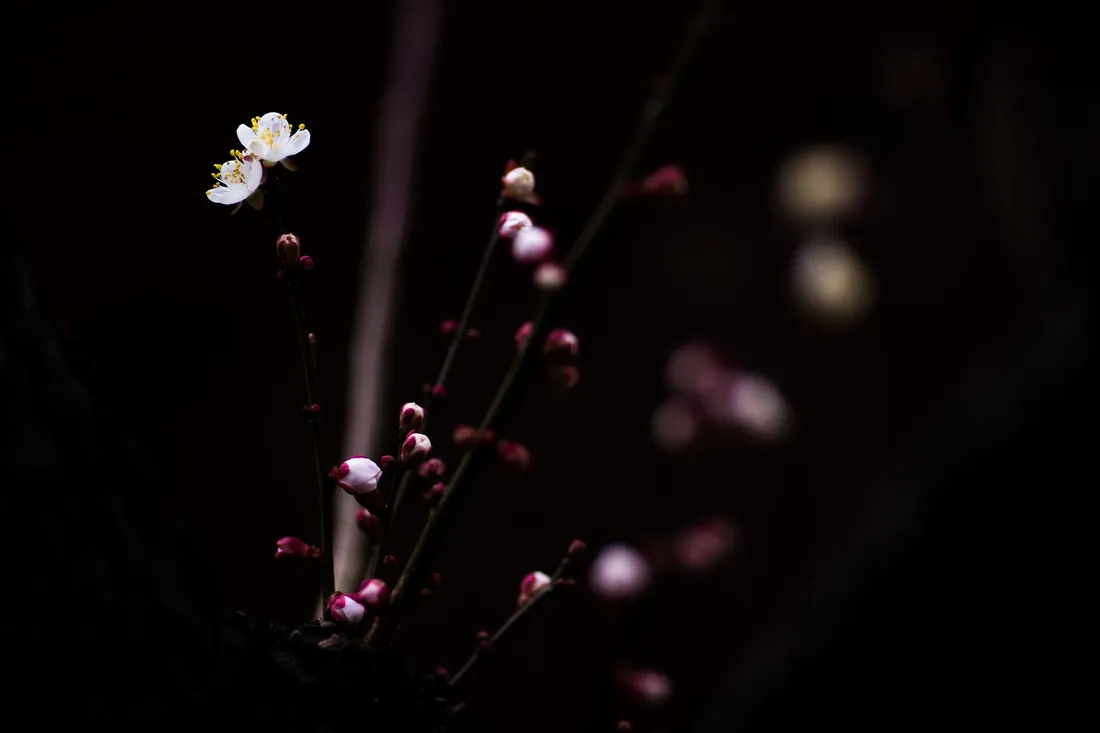
    White and pink plum blossom at Yushima Tenjin after dark
    The bronze torii of Yushima Tenjin during the plum festival, with stalls and crowds

    About 300 plum trees, most of them the white Shirokaga, in the precinct of the shrine of the god of learning. The plum festival runs on the same dates every year, 8 February to 8 March, which is also exam season: the racks of votive tablets left by students stand among the blossom.

    Dates
    08 FEB – 08 MAR
    Where
    TokyoGoogle Maps
    Survive
    Weekends bring stage shows, open-air tea and crowds; the blossom is usually at its best from mid-February.
    Holidays
    National Foundation Day, Emperor's Birthday · long weekend: expect full trains and hotels
    Access
    Yushima Stn on the Chiyoda Line, 2 min on foot; Ueno-Hirokoji on the Ginza Line, 5 min.
    Source
    Official site · checked 2026-09-19
    Photos
    2 photos · credits
    1. Kentaro Mame · CC0
    2. pelican · CC BY-SA 2.0

    1 h · Open in Google Maps

    About 300 plum trees, most of them the white Shirokaga, in the precinct of the shrine of the god of learning. The plum festival runs on the same dates every year, 8 February to 8 March, which is also exam season: the racks of votive tablets left by students stand among the blossom. White and pink plum blossom at Yushima Tenjin after dark

    Photo · Kentaro Mame · CC0

    All places in Tokyo

    Events

    EventWhat it is

    大相撲九月場所

    On now · 13–27 Sep

    Sport

    13–27 Sep · Sport

    Grand Sumo — September Tournament 大相撲九月場所

    Ryogoku Kokugikan, Tokyo

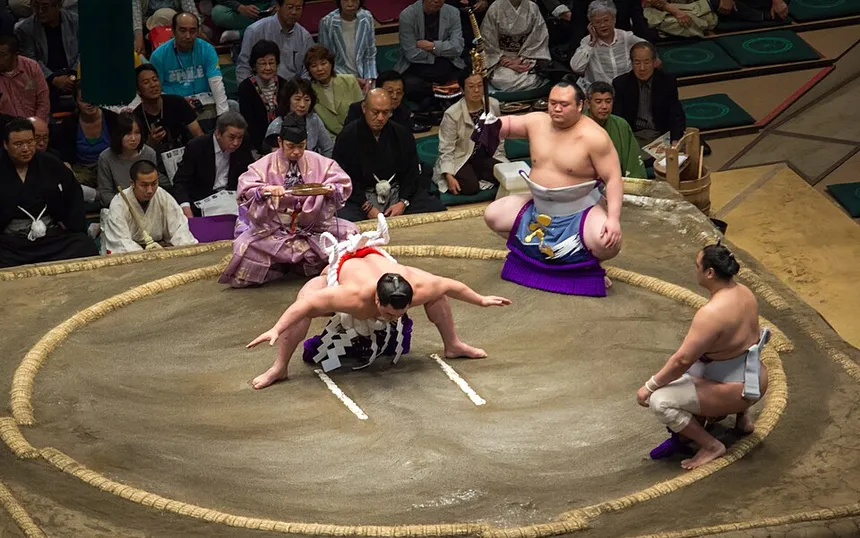
    Yokozuna ring-entering ceremony at Ryogoku Kokugikan
    Ring-entering ceremony of the top division at Ryogoku Kokugikan
    A bout on the dohyō at Ryogoku Kokugikan
    Sponsor banners paraded around the ring before a bout

    Fifteen days of sumo in the sport's home arena, the last Tokyo tournament of the year. Bouts run from early morning to the top division around 16:00–18:00; the building fills as the ranks rise. Sit in the arena for the sound of the bodies meeting, then eat yakitori from the basement kitchens.

    Dates
    13–27 Sep
    Where
    Ryogoku Kokugikan, TokyoGoogle Maps
    Open
    Open every day · Doors 8:45 (10:30 on 25–26 Sep, 10:00 on the 27th) · top divisions from about 14:00 · ends about 18:00
    Tickets
    Tickets sell out weeks ahead; a limited number of same-day general-admission seats go on sale at 07:45. On sale since 8 AugBuy ticketsKlook
    Holidays
    Respect for the Aged Day, Citizens' Holiday, Autumnal Equinox Day · long weekend: expect full trains and hotels
    Source
    Official site · checked 2026-09-12
    Photos
    4 photos · credits
    1. Simon Q · CC BY 2.0
    2. Gregg Tavares · CC BY 2.0
    3. GI Jack · CC BY-SA 3.0
    4. Gregg Tavares · CC BY 2.0
    Fifteen days of sumo in the sport’s home arena, the last Tokyo tournament of the year Yokozuna ring-entering ceremony at Ryogoku Kokugikan

    Photo · Simon Q · CC BY 2.0

    池上本門寺 お会式

    In 17 days · 11–13 Oct

    Matsuri

    11–13 Oct · Matsuri

    Ikegami Honmon-ji Oeshiki 池上本門寺 お会式

    Ikegami Honmon-ji, Ota, Tokyo

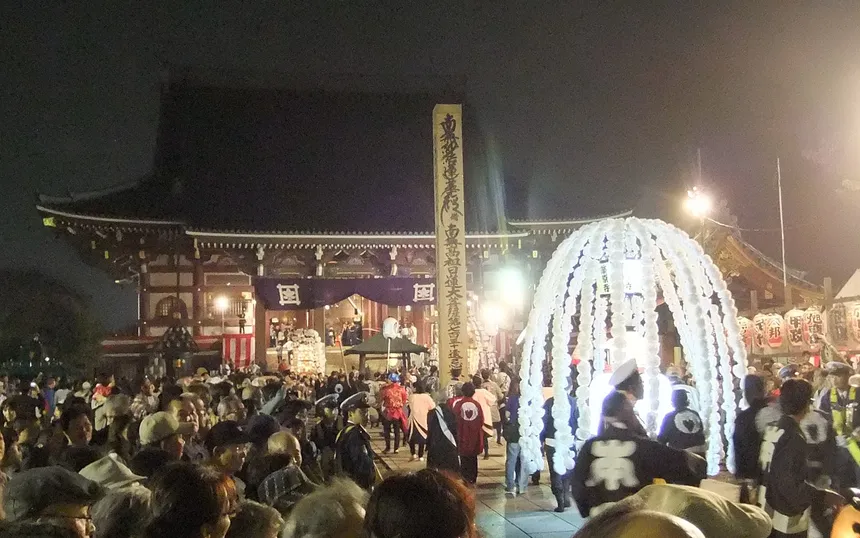
    A mando lantern tower hung with paper blossom arrives before the main hall of Ikegami Honmon-ji, 2011
    A lantern tower and a fireman’s standard in the night procession through Ikegami, 2011

    The memorial of the priest Nichiren, who died here in 1282. On the night of the 12th more than a hundred groups, about three thousand people, carry mando, lantern towers hung with paper cherry blossom, along two kilometres of streets to the temple, to drums and flutes, from about 18:00 until late at night. The temple counts over 300,000 visitors, and almost nothing about it is written in English.

    Dates
    11–13 Oct
    Where
    Ikegami Honmon-ji, Ota, TokyoGoogle Maps
    Open
    Mon 12 Oct · Robing ceremony 10:00 · memorial service 14:00 · lantern procession from about 18:00 until late at nightTue 13 Oct · Sermon and the service of Nichiren’s death from 7:00
    Tickets
    Free. The streets around the temple are closed to cars on all three days; come by the Tokyu Ikegami Line to Ikegami Stn.
    Holidays
    Sports Day · long weekend: expect full trains and hotels
    Source
    Official site · checked 2026-09-19
    Photos
    2 photos · credits
    1. tak1701d · CC BY-SA 3.0
    2. NY066 · CC BY-SA 3.0
    Three thousand people carry lantern towers to the temple where Nichiren died A mando lantern tower hung with paper blossom arrives before the main hall of Ikegami Honmon-ji, 2011

    Photo · tak1701d · CC BY-SA 3.0

    東京国際映画祭

    In 32 days · 26 Oct – 4 Nov

    Show

    26 Oct – 4 Nov · Show

    Tokyo International Film Festival 東京国際映画祭

    Hibiya, Yurakucho, Marunouchi, Tokyo

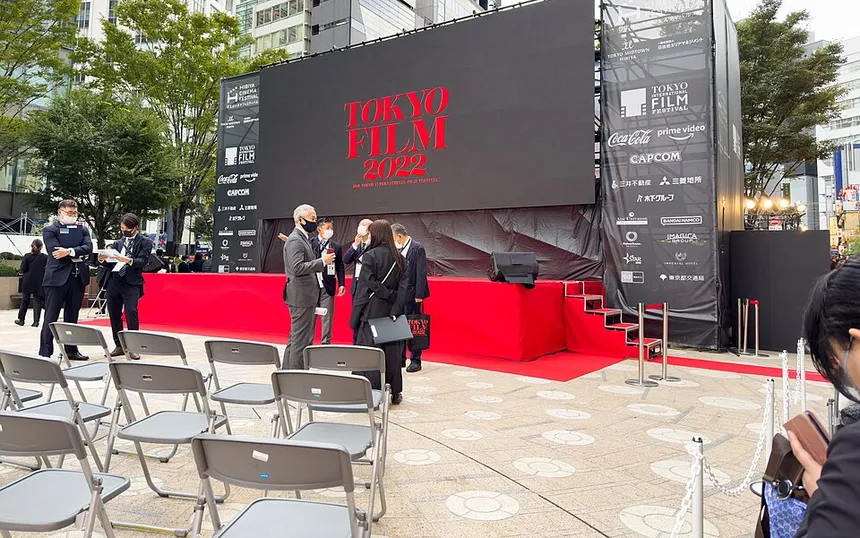
    The red-carpet stage of the Tokyo International Film Festival
    Roppongi Hills during the Tokyo International Film Festival
    Guests on the red carpet of the 26th Tokyo International Film Festival
    Directors and actors on the festival red carpet

    Japan's main film festival, the 39th edition: competition premieres, a Japanese cinema strand with English subtitles, and open-air screenings in Hibiya. The easiest ten days of the year to see new Japanese films with subtitles in Tokyo.

    Dates
    26 Oct – 4 Nov
    Where
    Hibiya, Yurakucho, Marunouchi, TokyoGoogle Maps
    Tickets
    Screening tickets go on sale about ten days before; popular titles sell out within the hour.
    Holidays
    Culture Day · long weekend: expect full trains and hotels
    Source
    Official site · checked 2026-09-08
    Photos
    4 photos · credits
    1. Dick Thomas Johnson · CC BY 2.0
    2. Syced · CC0
    3. Dick Thomas Johnson · CC BY 2.0
    4. Dick Thomas Johnson · CC BY 2.0
    Japan’s main film festival: ten days of premieres with English subtitles The red-carpet stage of the Tokyo International Film Festival

    Photo · Dick Thomas Johnson · CC BY 2.0

    少女漫画・インフィニティ 萩尾望都×山岸凉子×大和和紀 三人展

    In 34 days · 28 Oct – 8 Feb

    Exhibition

    28 Oct – 8 Feb · Exhibition

    Shojo Manga Infinity: Moto Hagio, Ryoko Yamagishi, Waki Yamato 少女漫画・インフィニティ 萩尾望都×山岸凉子×大和和紀 三人展

    The National Art Center, Tokyo, Roppongi, Tokyo

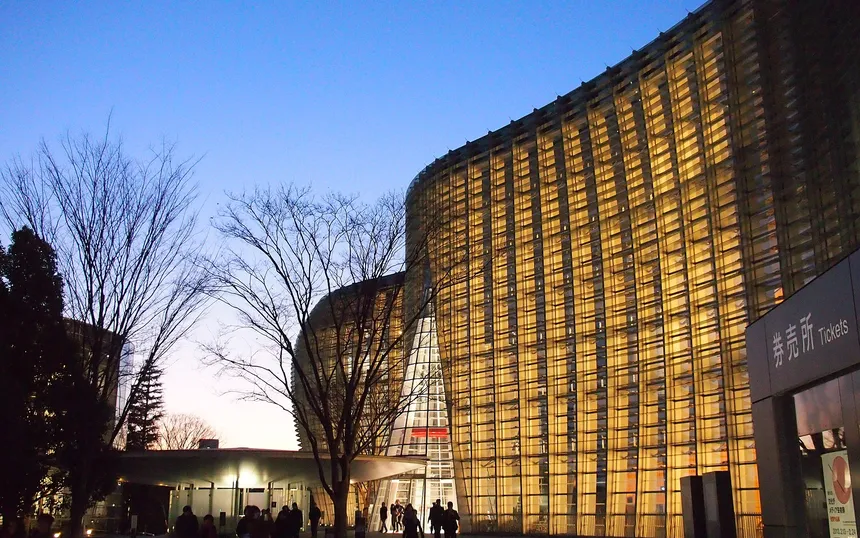
    The glass facade of The National Art Center, Tokyo, the venue, at dusk
    The undulating glass front of The National Art Center, Tokyo, by Kisho Kurokawa

    Three of the authors who turned girls’ manga into literature in the 1970s, shown together in a national museum: Moto Hagio of The Poe Clan, Ryoko Yamagishi of Emperor of the Land of the Rising Sun, Waki Yamato of Haikara-san and The Tale of Genji in manga. More than 800 original drawings, in black and white and in colour.

    Dates
    28 Oct – 8 Feb
    Where
    The National Art Center, Tokyo, Roppongi, TokyoGoogle Maps
    Open
    10:00–18:00, Fridays and Saturdays to 20:00 · last entry 30 min before closing · Closed Tuesdays, 4 Nov and 28 Dec – 5 Jan
    Tickets
    ¥2,200, advance ¥2,000; university students ¥1,000, high school students ¥500. Sold online through e-tix, ARTPASS and Asoview.
    Holidays
    Culture Day, Labour Thanksgiving Day, New Year's Day, Coming of Age Day · long weekend: expect full trains and hotels
    Source
    Official site · checked 2026-09-19
    Photos
    2 photos · credits
    1. Kaz Ish · CC BY-SA 3.0
    2. Kakidai · CC BY-SA 4.0
    Over 800 original drawings by three authors who remade girls’ manga in the 1970s The glass facade of The National Art Center, Tokyo, the venue, at dusk

    Photo · Kaz Ish · CC BY-SA 3.0

    THE WORLD OF BIOHAZARD 30周年展

    In 36 days · 30 Oct – 24 Dec

    Exhibition

    30 Oct – 24 Dec · Exhibition

    The World of Resident Evil — 30th Anniversary Exhibition THE WORLD OF BIOHAZARD 30周年展

    BEAM Gallery, Shibuya, Tokyo

    Leon S. Kennedy in the Resident Evil 4 remake, a Capcom screenshot
    A Resident Evil set at a Capcom game-show booth, 2016
    Resident Evil 4, a Capcom screenshot
    The Resident Evil booth at E3 2011

    The first large-scale Resident Evil show, staged for the series' thirtieth year: seven themed areas of development material, original artwork and life-size villains — Wesker, Lady Dimitrescu, Leon — built as walk-through sets rather than vitrines. Five minutes from Shibuya Station and open until 21:00, so it fits after a day spent elsewhere.

    Dates
    30 Oct – 24 Dec
    Where
    BEAM Gallery, Shibuya, TokyoGoogle Maps
    Open
    Open every day · Weekdays 10:00–21:00, weekends and holidays 9:00–21:00 · last entry 19:59
    Tickets
    Timed entry by date and slot via Ticket Pia; adults ¥3,300 on weekdays and ¥3,600 at weekends, a little cheaper if bought before 29 October. On sale since 3 AugBuy tickets
    Holidays
    Culture Day, Labour Thanksgiving Day · long weekend: expect full trains and hotels
    Source
    Official site · checked 2026-09-12
    Photos
    4 photos · credits
    1. Capcom France · CC BY 3.0
    2. KniBaron · CC BY 2.0
    3. Capcom France · CC BY 3.0
    4. Pop Culture Geek · CC BY 2.0
    The first large-scale Resident Evil show: sets, artwork and life-size villains Leon S. Kennedy in the Resident Evil 4 remake, a Capcom screenshot

    Photo · Capcom France · CC BY 3.0

    酉の市

    In 44 days · 7 Nov

    Market

    7 Nov · Market

    Tori-no-Ichi, first day 酉の市

    Otori Shrine, Asakusa, Tokyo

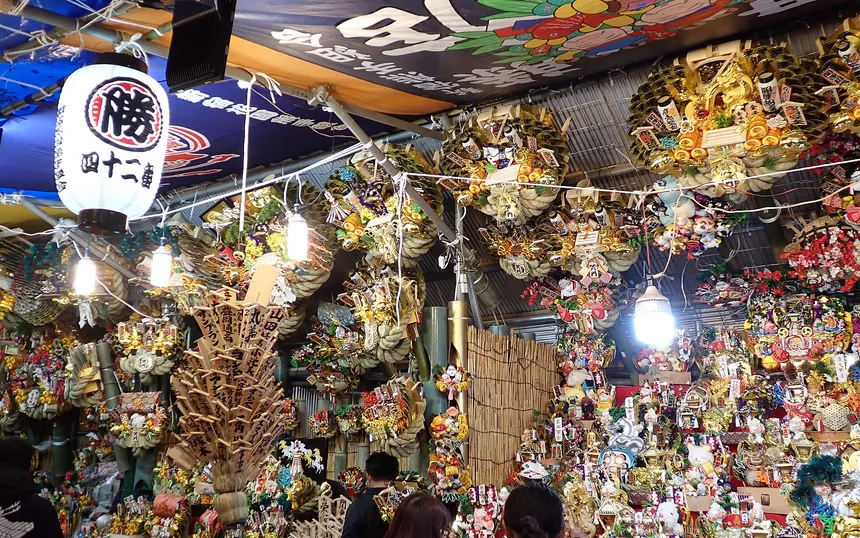
    A stall stacked with kumade rakes at a rooster-day market; this one at Hanazono Shrine, Shinjuku
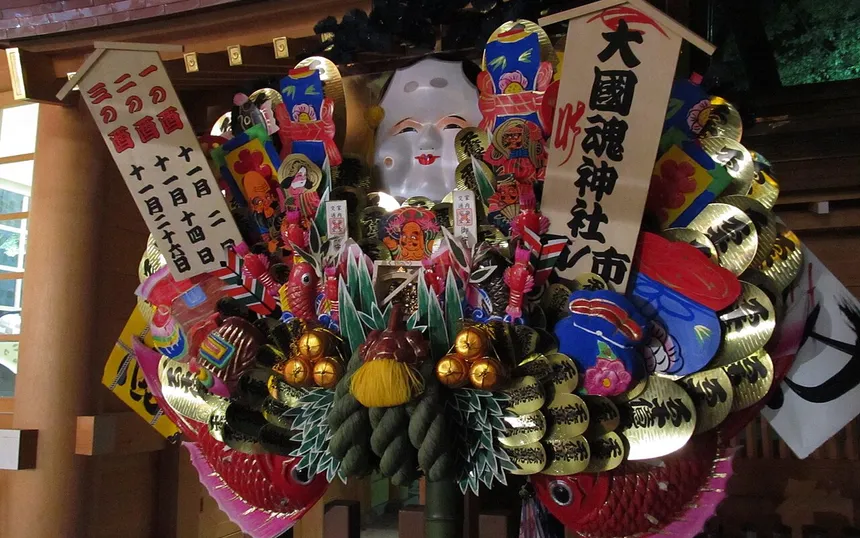
    A large kumade rake with masks and gold coins; this one at Okunitama Shrine, Fuchu

    On the days of the rooster in November, shops buy a kumade, a bamboo rake hung with gold coins and masks, to rake in next year’s trade, and each sale is sealed with rhythmic hand-clapping from the stall. The market at Otori Shrine in Asakusa runs for a full 24 hours, from midnight to midnight. In 2026 there are only two rooster days, 7 and 19 November.

    Dates
    7 Nov
    Where
    Otori Shrine, Asakusa, TokyoGoogle Maps
    Open
    Midnight to midnight
    Tickets
    Free. Go after dark, when the stalls are lit and the clapping is constant; the smallest rakes start at around ¥1,000.
    Source
    Official site · checked 2026-09-19
    Photos
    2 photos · credits
    1. Mozzucu · CC0
    2. Jipanguguru · CC BY 3.0
    The all-night market of lucky rakes, the biggest of Tokyo’s rooster-day fairs A stall stacked with kumade rakes at a rooster-day market; this one at Hanazono Shrine, Shinjuku

    Photo · Mozzucu · CC0

    デザインフェスタ vol.64

    In 51 days · 14–15 Nov

    Art

    14–15 Nov · Art

    Design Festa vol.64 デザインフェスタ vol.64

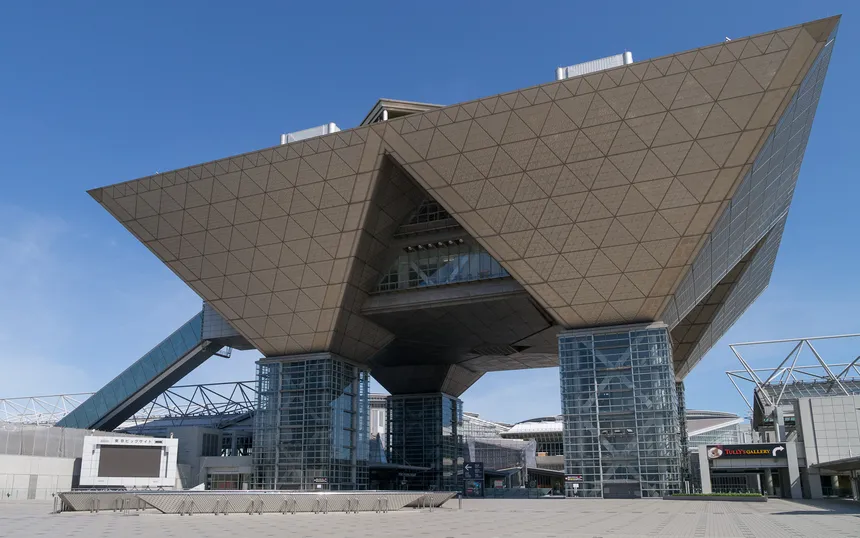
    Tokyo Big Sight, Tokyo

    Tokyo Big Sight, the venue of Design Festa
    Design Festa Gallery in Harajuku, run by the fair’s organisers
    Design Festa Gallery West in Harajuku

    Asia's largest open art fair: some 6,500 booths of independent illustrators, makers and performers, no jury, everything for sale. Two days, 10:00–18:00. Go to buy original work from people who are not on any gallery's list.

    Dates
    14–15 Nov
    Where
    Tokyo Big Sight, TokyoGoogle Maps
    Open
    10:00–18:00 both days
    Tickets
    Advance tickets ¥800 online, ¥1,000 at the door; a two-day pass is ¥1,500. On sale since 19 SepBuy tickets
    Source
    Official site · checked 2026-09-12
    Photos
    3 photos · credits
    1. Rs1421 · CC BY-SA 3.0
    2. Syced · CC0
    3. Bject · CC BY-SA 4.0
    Asia’s largest open art fair: 6,500 booths, no jury, everything for sale Tokyo Big Sight, the venue of Design Festa

    Photo · Rs1421 · CC BY-SA 3.0

    酉の市

    In 56 days · 19 Nov

    Market

    19 Nov · Market

    Tori-no-Ichi, second day 酉の市

    Otori Shrine, Asakusa, Tokyo

    A large kumade rake with masks and gold coins; this one at Okunitama Shrine, Fuchu
    A stall stacked with kumade rakes at a rooster-day market; this one at Hanazono Shrine, Shinjuku

    On the days of the rooster in November, shops buy a kumade, a bamboo rake hung with gold coins and masks, to rake in next year’s trade, and each sale is sealed with rhythmic hand-clapping from the stall. The market at Otori Shrine in Asakusa runs for a full 24 hours, from midnight to midnight. In 2026 there are only two rooster days, 7 and 19 November.

    Dates
    19 Nov
    Where
    Otori Shrine, Asakusa, TokyoGoogle Maps
    Open
    Midnight to midnight
    Tickets
    Free. Go after dark, when the stalls are lit and the clapping is constant; the smallest rakes start at around ¥1,000.
    Source
    Official site · checked 2026-09-19
    Photos
    2 photos · credits
    1. Jipanguguru · CC BY 3.0
    2. Mozzucu · CC0
    The all-night market of lucky rakes, the biggest of Tokyo’s rooster-day fairs A large kumade rake with masks and gold coins; this one at Okunitama Shrine, Fuchu

    Photo · Jipanguguru · CC BY 3.0

    世田谷のボロ市

    In 82 days · 15–16 Dec

    Market

    15–16 Dec · Market

    Setagaya Boroichi 世田谷のボロ市

    Boroichi-dori, Setagaya, Tokyo

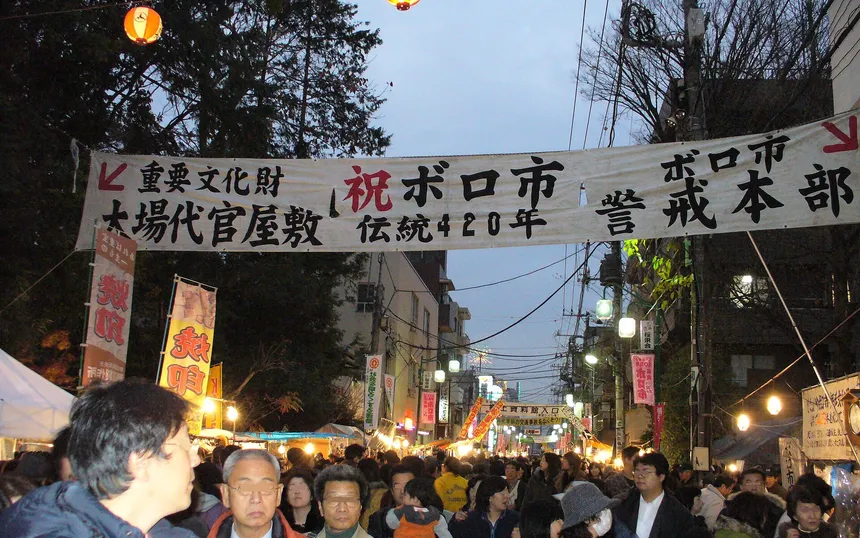
    The crowd under the Boroichi banner at dusk, December 2006
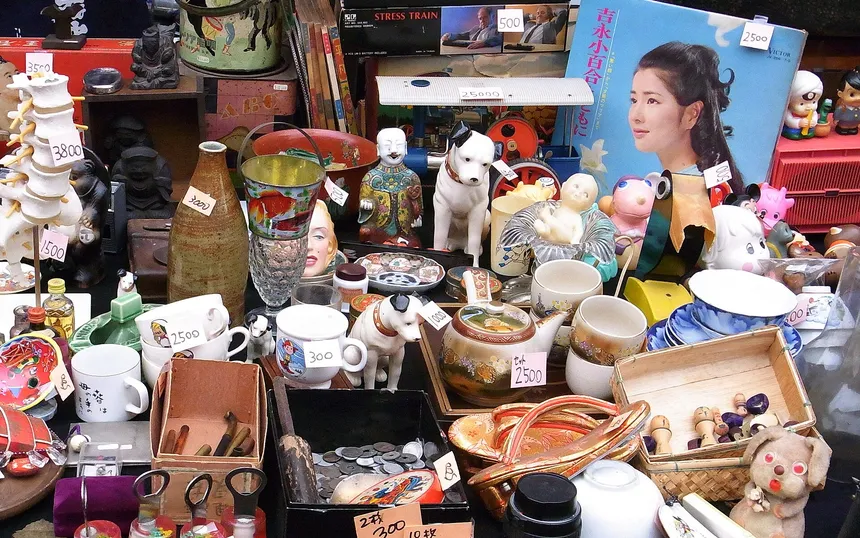
    Old tools, boxes and ceramics laid out on the street at the Setagaya Boroichi
    A stall of cups, dolls and bric-a-brac at the Setagaya Boroichi

    A street market that began in 1578 as a free market under the lords of Odawara and became a rag fair, which is what its name means: old kimono, tools, antiques, plants and food along one street in Setagaya, a designated folk cultural property of Tokyo. It is held on the same dates every year, 15–16 December and 15–16 January, whatever the weekday.

    Dates
    15–16 Dec
    Where
    Boroichi-dori, Setagaya, TokyoGoogle Maps
    Open
    9:00–20:00
    Tickets
    Free. The street is shoulder to shoulder by midday: come at 9:00.
    Source
    Official site · checked 2026-09-19
    Photos
    3 photos · credits
    1. Takahashi J · CC BY-SA 3.0
    2. おむこさん志望 · CC BY 3.0
    3. Edomura no Tokuzo · CC BY-SA 3.0
    A flea market held on the same four days every winter since 1578 The crowd under the Boroichi banner at dusk, December 2006

    Photo · Takahashi J · CC BY-SA 3.0

    世田谷のボロ市

    In 113 days · 15–16 Jan

    Market

    15–16 Jan · Market

    Setagaya Boroichi 世田谷のボロ市

    Boroichi-dori, Setagaya, Tokyo

    A stall of cups, dolls and bric-a-brac at the January Boroichi, 2011
    The crowd under the Boroichi banner at dusk
    Old tools, boxes and ceramics laid out on the street at the Setagaya Boroichi

    A street market that began in 1578 as a free market under the lords of Odawara and became a rag fair, which is what its name means: old kimono, tools, antiques, plants and food along one street in Setagaya, a designated folk cultural property of Tokyo. It is held on the same dates every year, 15–16 December and 15–16 January, whatever the weekday.

    Dates
    15–16 Jan
    Where
    Boroichi-dori, Setagaya, TokyoGoogle Maps
    Open
    9:00–20:00
    Tickets
    Free. The street is shoulder to shoulder by midday: come at 9:00.
    Source
    Official site · checked 2026-09-19
    Photos
    3 photos · credits
    1. Edomura no Tokuzo · CC BY-SA 3.0
    2. Takahashi J · CC BY-SA 3.0
    3. おむこさん志望 · CC BY 3.0
    A flea market held on the same four days every winter since 1578 A stall of cups, dolls and bric-a-brac at the January Boroichi, 2011

    Photo · Edomura no Tokuzo · CC BY-SA 3.0

    All events in Tokyo

    Meibutsu & craft

    • Meibutsu & craft · Tokyo

      Edo kiriko cut glass 江戸切子

      えどきりこ

      Glass cut by hand on a wheel into fine geometric patterns such as hemp leaf and chrysanthemum, usually coloured glass over clear, so the cuts shine through. It began in 1834 with an Edo glass merchant; the workshops still cluster in Koto and Sumida wards.

    • Meibutsu & craft · Tokyo

      Tokyo fine-pattern dyeing 東京染小紋

      とうきょうそめこもん

      Kimono silk stencil-dyed with patterns so small that from a few steps away the cloth looks plain; up close it is thousands of tiny dots and shapes. It began as formal dress for samurai, and the dye works still line the Kanda and Myoshoji rivers in Shinjuku.

    • Meibutsu & craft · Tokyo

      Edo woodblock prints 江戸木版画

      えどもくはんが

      Colour prints made the ukiyo-e way: an artist draws, a carver cuts one wooden block for each colour, and a printer rubs the colours on by hand, one after another. A handful of Tokyo studios still keep carver and printer as separate trades.

    • Meibutsu & craft · Tokyo

      Kihachijo silk 黄八丈

      きはちじょう

      Silk from Hachijo-jima woven in stripes and checks of three colours only, yellow, brown and black, each dyed from a single island plant.

    Food

    • Food · Tokyo

      Edomae sushi 江戸前寿司

      えどまえずし

      Hand-pressed sushi: a slice of fish on a small mound of vinegared rice, the fish often cured, marinated or simmered first. Young gizzard shad, shinko, appears for only a few weeks in July and August.

    • Food · Tokyo

      Monjayaki もんじゃ焼き

      もんじゃやき

      A very runny batter with cabbage and other fillings, cooked on a griddle at the table: the fillings go into a ring, the batter is poured into the middle, and it is eaten straight off the griddle with a tiny spatula. More than 50 shops belong to the Tsukishima monja association, most of them on one street.

    • Food · Tokyo

      Fukagawa-meshi 深川めし

      ふかがわめし

      Asari clams and leek in miso broth over rice, or cooked into the rice itself: a simple, savoury bowl from the old fishermen’s district of Fukagawa. The clams are best from March to May.

    • Food · Tokyo

      Tsukudani 佃煮

      つくだに

      Small fish, clams, kelp or seaweed simmered down in soy sauce and sugar until dark and sticky, eaten a little at a time with rice. It is named after Tsukuda island in Tokyo Bay.

    • Food · Tokyo

      Kusaya くさや

      Dried fish from the Izu islands, soaked before drying in a fermented brine that gives it a famously strong smell and a rich, savoury taste; it is grilled and eaten with sake. Some makers have kept the same brine going for centuries.

    History through time

    1603
    Tokugawa Ieyasu makes Edo, a castle town around a fort of 1457, the seat of the shogunate; within a century it holds about a million people.

    1657
    The Meireki fire burns most of the city and the castle keep, which is never rebuilt; the replanned city gets firebreaks and Ryogoku Bridge, the second crossing of the Sumida.

    1868
    Edo is renamed Tokyo, the eastern capital, and the emperor moves from Kyoto the following year.

    1923
    The Great Kanto Earthquake of 1 September and the fires after it destroy the eastern wards.

    1945
    The air raid of 9–10 March burns about 41 square kilometres of the east of the city in one night.

    1964
    The first Olympic Games in Asia; the Shinkansen opens nine days before them, and the elevated expressways, begun in 1962, are rushed out for the Games.
    Add to which trip?