Hokkaido 北海道
The northern island, a fifth of Japan's land and four percent of its people: volcanic lakes, lavender fields, drift ice and the country's earliest autumn colour, on Daisetsuzan from mid-September. Sapporo, Hakodate and Otaru carry the nineteenth-century history of settlement; the Ainu heritage is older by far.
Seasonal calendar
Notable places
| Notable place | Why | |
|---|---|---|
| 網走の流氷 | The Sea of Okhotsk is the southernmost sea in the northern hemisphere to freeze: ice born off the Amur estuary drifts about a thousand kilometres south and reaches this coast around the start of February. The icebreaker Aurora rides up onto the floes and breaks them under its own weight, on a cruise of about an hour. | 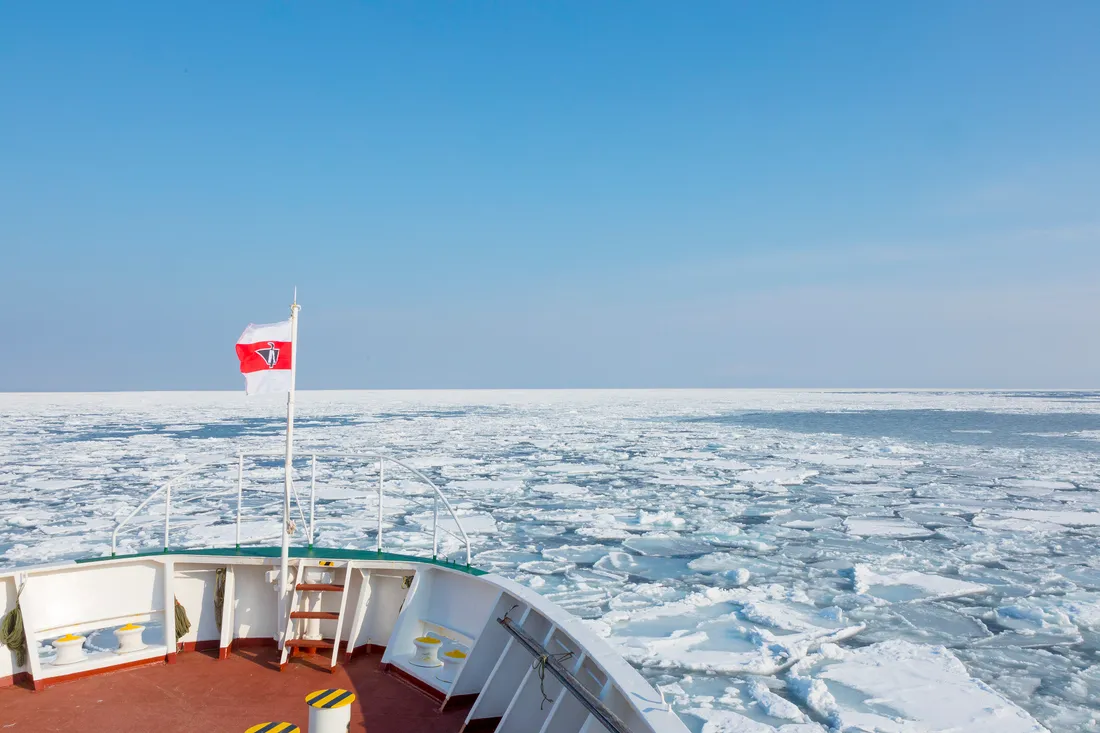 Photo · kkawamura · CC BY 4.0 |
| 旭岳 姿見の池 | The first autumn colour in Japan, in mid-September, a month before the hills of Honshu turn. At 1,600 m on the flank of Hokkaido’s highest peak the red is not maple but mountain ash, with alpine bearberry and Aleutian avens colouring the ground, under the steaming vents of the volcano. A 1.7 km loop of about an hour from the upper ropeway station passes Sugatami Pond. | 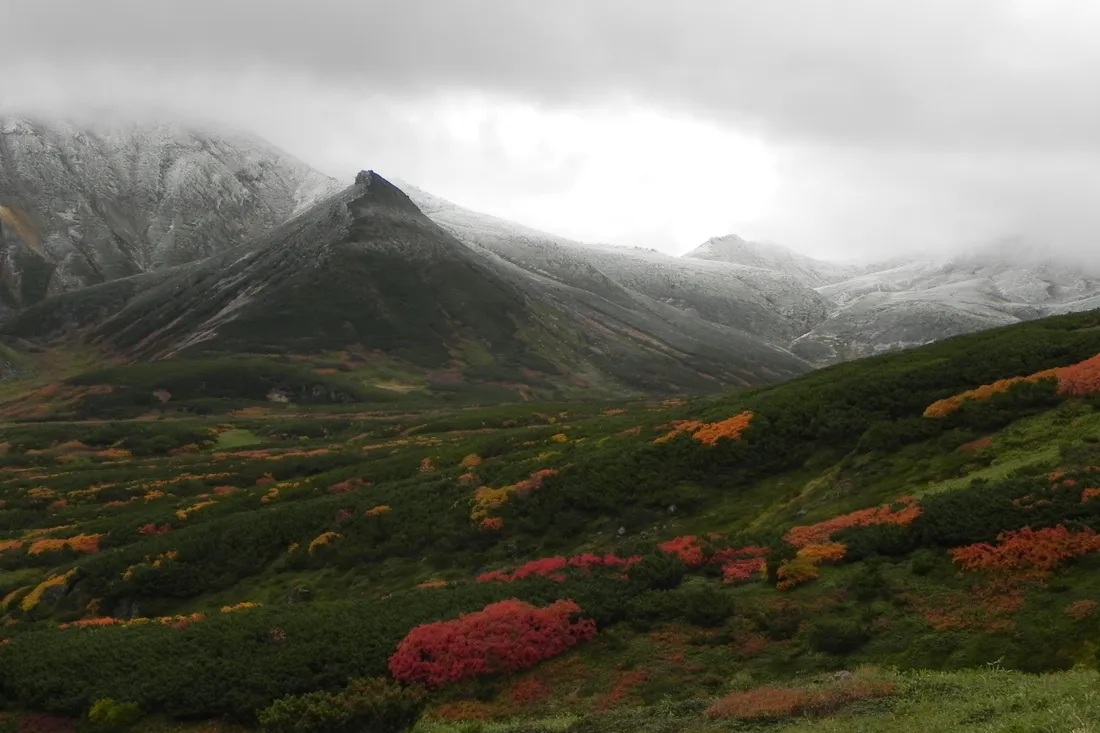 Photo · pakku · CC BY 3.0 |
| 五稜郭公園 | About 1,600 cherry trees ring the moat of Japan’s first Western-style star fort, finished in 1864 and the last stand of the shogunate’s forces in 1869. From the observation deck of Goryokaku Tower the whole star shows pink. Normal flowering in Hakodate is 28 April and full bloom 2 May: cherry blossom for Golden Week, five weeks after Tokyo. | 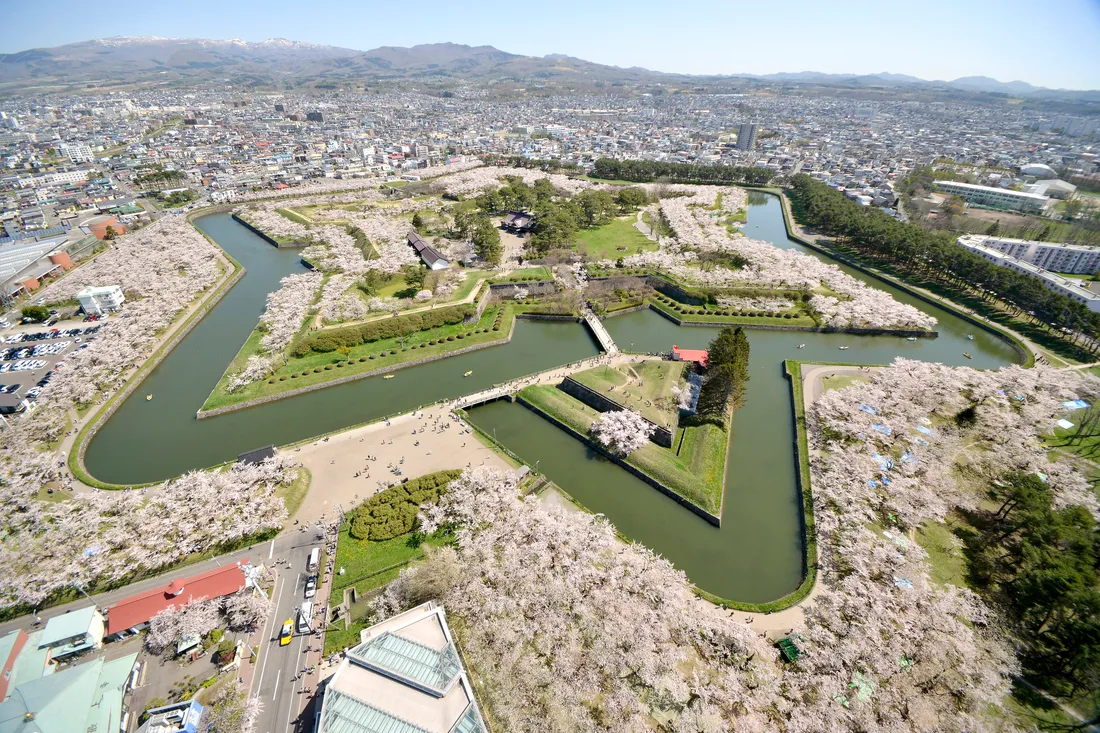 Photo · Goryokaku-Tower · CC BY 4.0 |
| ファーム富田 | The farm that kept lavender growing in Furano after the perfume trade collapsed in the 1970s; a Japanese National Railways calendar photograph of its field in 1976 brought the first visitors. The fields flower in sequence: early varieties colour from late June, and the peak is early to mid-July. | 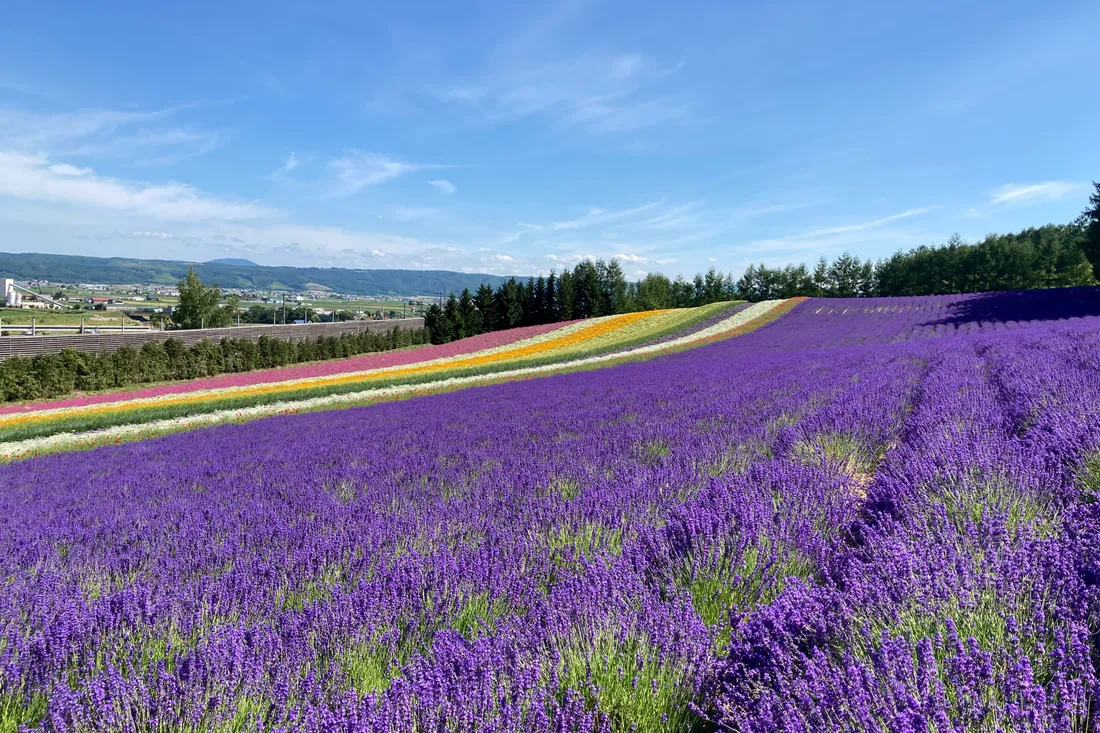 Photo · RJD · CC BY 3.0 |
Events
| Event | What it is | |
|---|---|---|
| まりも祭り | Ainu rites for the moss balls of Lake Akan, with a torch procession at night | 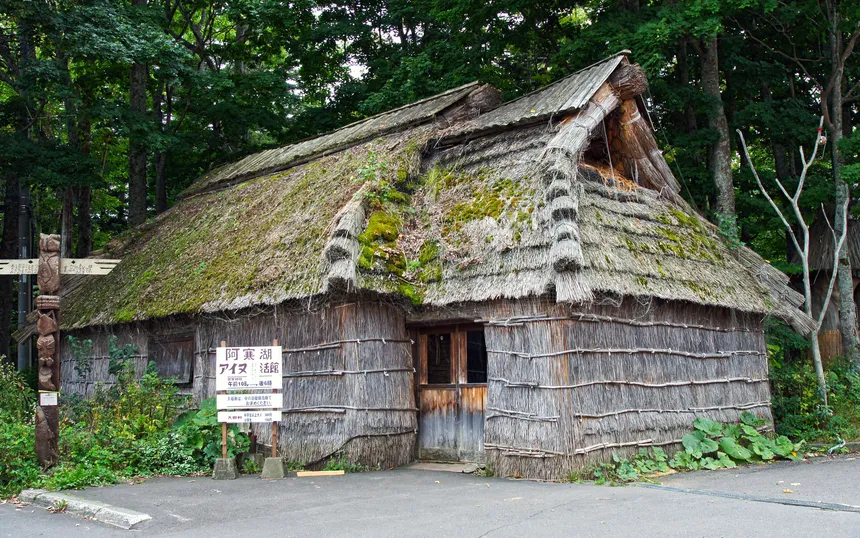 Photo · 663highland · CC BY 2.5 |
| 札幌国際芸術祭2027 | Sapporo’s art triennale, held in midwinter under the theme Planet Snow | 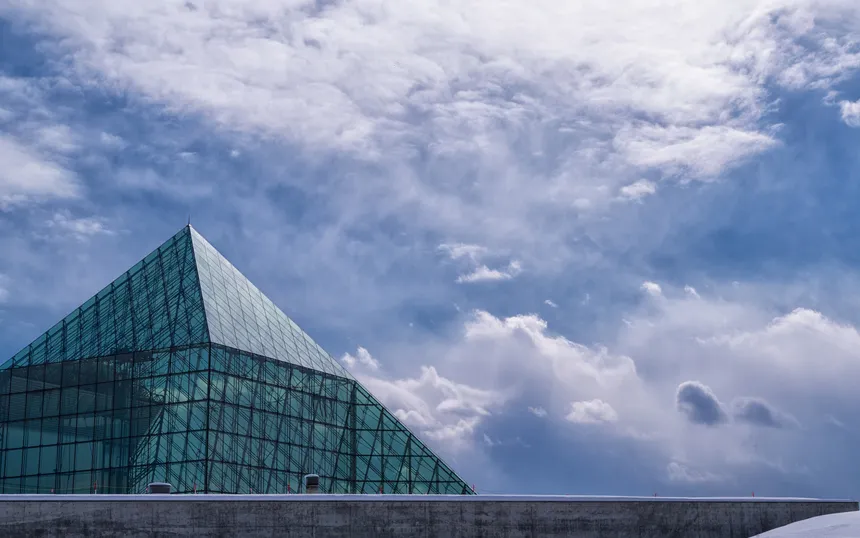 Photo · Tsuyoshi Yoshida · CC BY-SA 3.0 |
| さっぽろ雪まつり | Snow statues the size of buildings along Odori Park, in its 77th year | 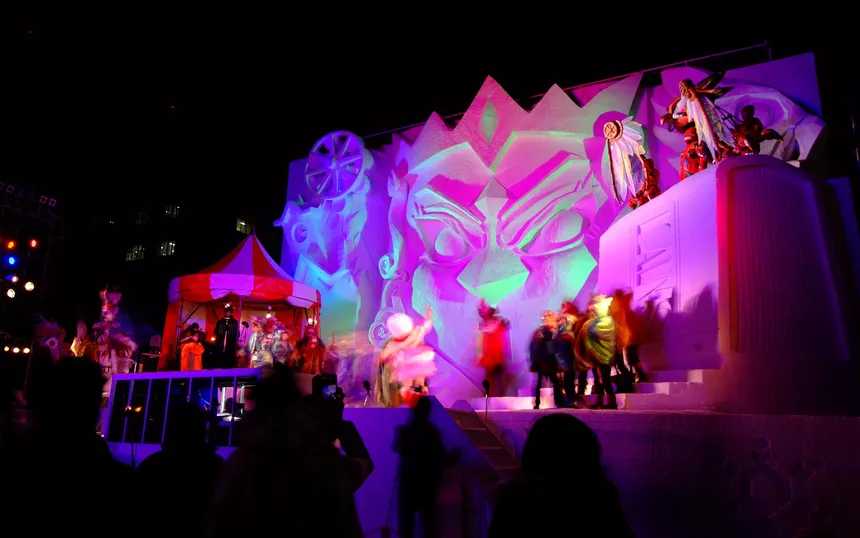 Photo · t-konno · CC BY-SA 3.0 |
| 小樽雪あかりの路 | Candles in the snow along the Otaru Canal, lit by volunteers each evening | 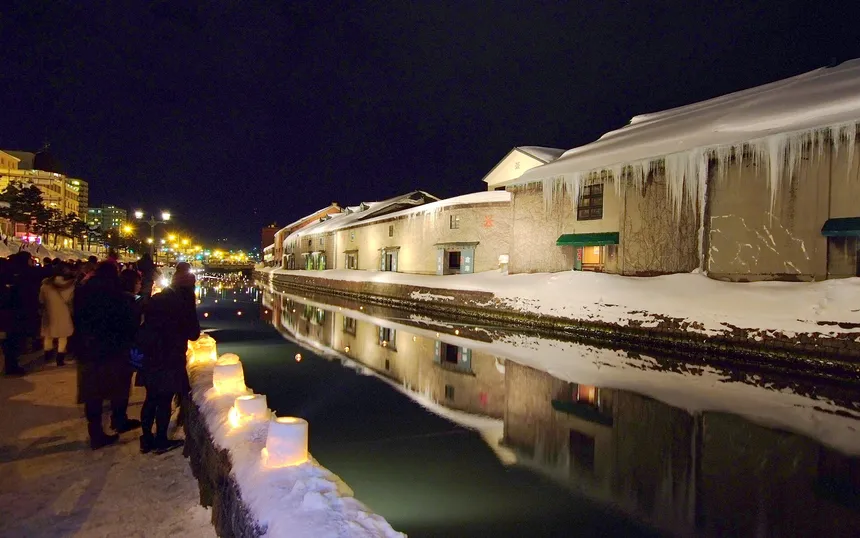 Photo · t-konno · CC BY-SA 3.0 |
Meibutsu & craft
Food
History through time
13th century
Ainu culture takes shape across the island, then called Ezo, succeeding the Satsumon and Okhotsk cultures.
1604
Tokugawa Ieyasu grants the Matsumae clan, on the southern tip, a monopoly on trade with the Ainu.
1669
Shakushain leads the largest Ainu rising against Matsumae; he is killed at a peace feast that autumn and the rising collapses.
1869
The last shogunate forces surrender at Goryokaku in Hakodate; the island is renamed Hokkaido and a Development Commission begins planned settlement, with Sapporo laid out on a grid.
1972
Sapporo hosts the first Winter Olympics in Asia; the subway and the underground shopping streets date from the preparations.
2019
A national law recognises the Ainu as an indigenous people; Upopoy, with the National Ainu Museum, opens in Shiraoi the following year.