15 JUN – 15 JUL
Koshoji, the Bellflower Temple 香勝寺(ききょう寺)
20,000 bellflowers in a temple garden, mid-June to mid-July
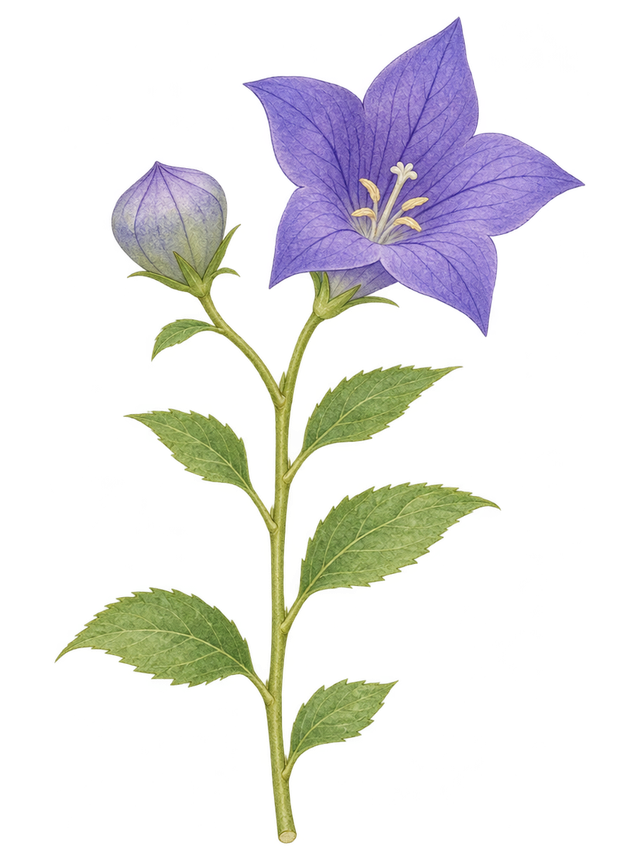
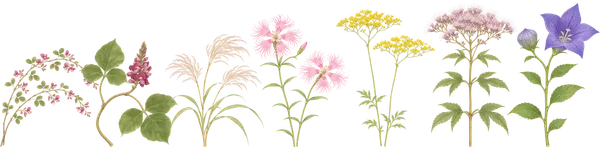
The seven flowers of autumn, aki no nanakusa, come from two poems by Yamanoue no Okura in the Man’yōshū, some 1,300 years old: hagi (bush clover), obana (silver grass in flower), kuzu (kudzu), nadeshiko (fringed pink), ominaeshi (golden patrinia), fujibakama (boneset) and asagao, read today as kikyo, the balloon flower. Unlike the seven herbs of spring, they are not eaten. They are flowers to look at, and temples and gardens grow them for late summer and autumn.
If you are earlyBellflowers open first: the temple garden of Koshoji in Mori from mid-June, the Genji Garden of Rozan-ji in Kyoto from late June.
If you are lateFujibakama comes last, in October, when it draws the chestnut tiger, a butterfly that crosses the sea, to the Suzaku Garden in Kyoto.
15 JUN – 15 JUL
20,000 bellflowers in a temple garden, mid-June to mid-July
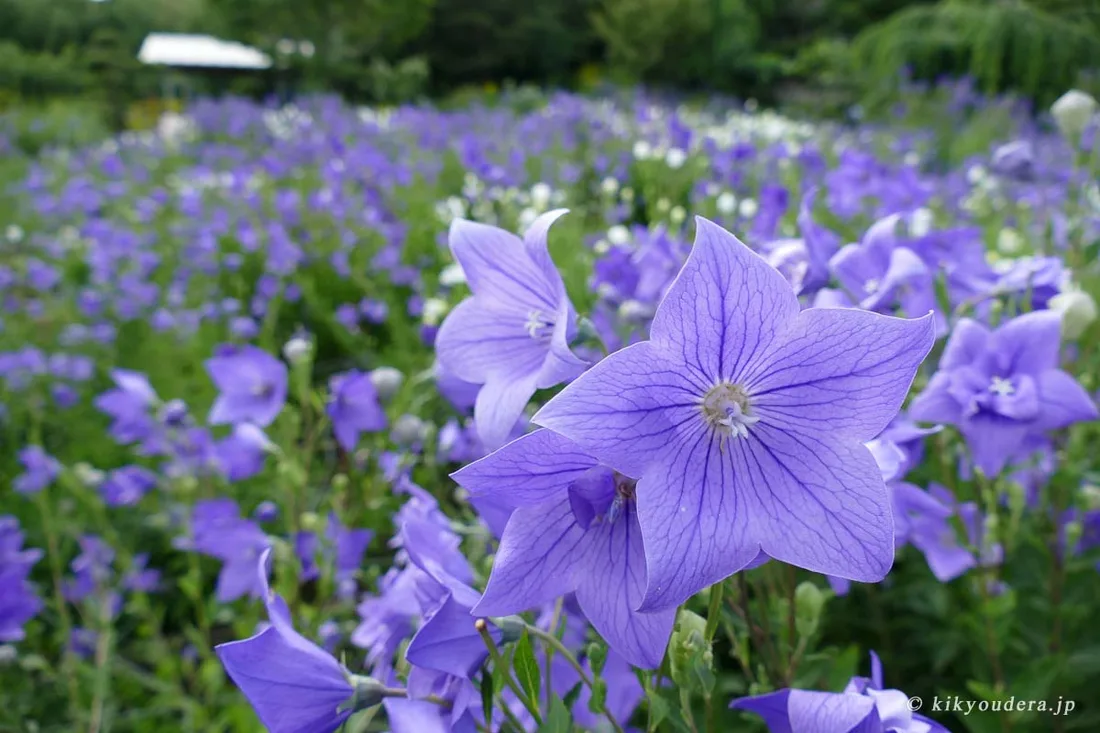
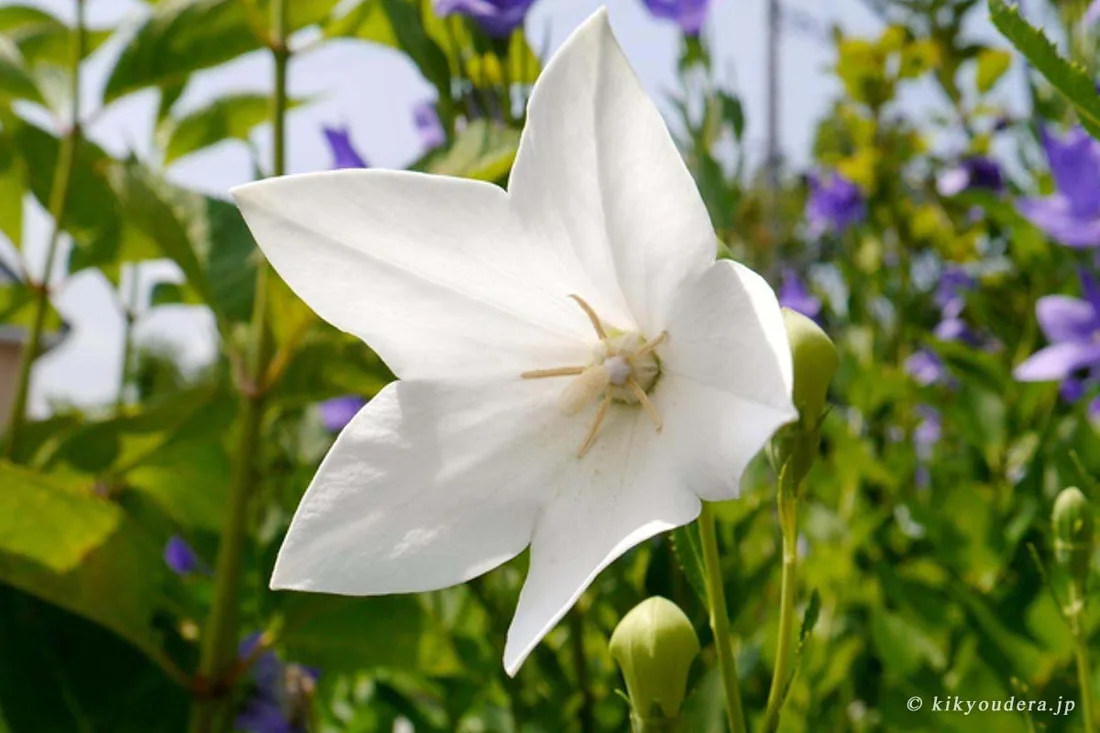
Photos · Koshoji · © Koshoji
25 JUN – 05 SEP
Violet bellflowers in Murasaki Shikibu’s sand-and-moss garden, all summer
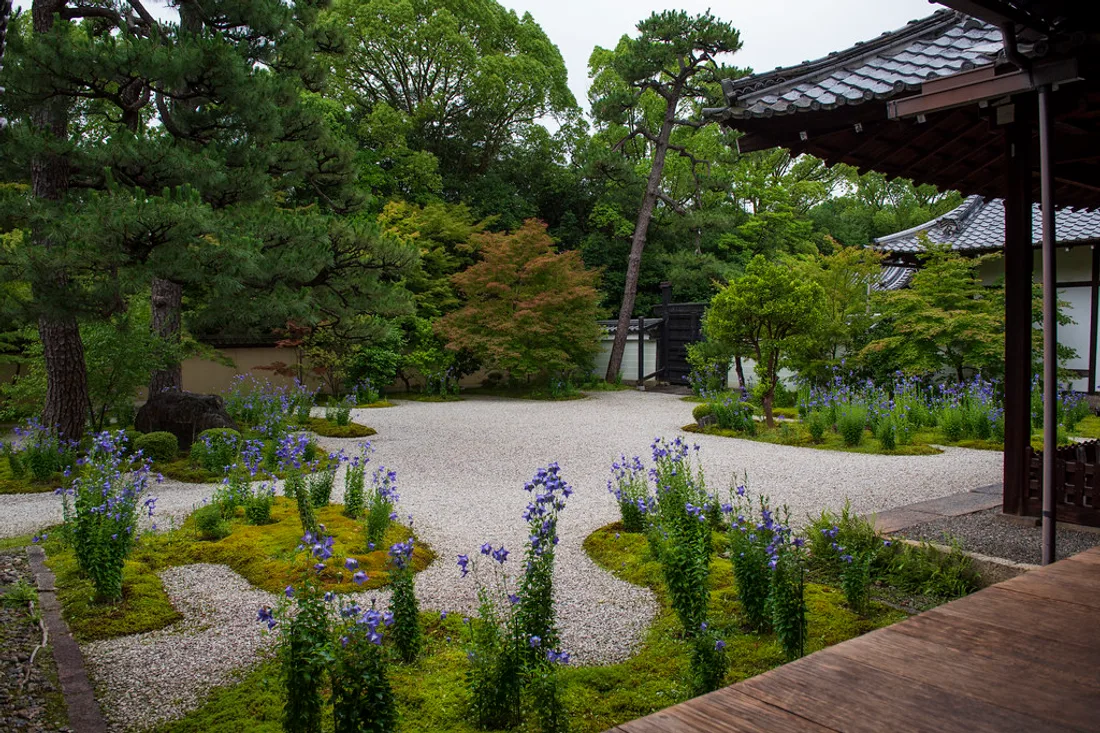
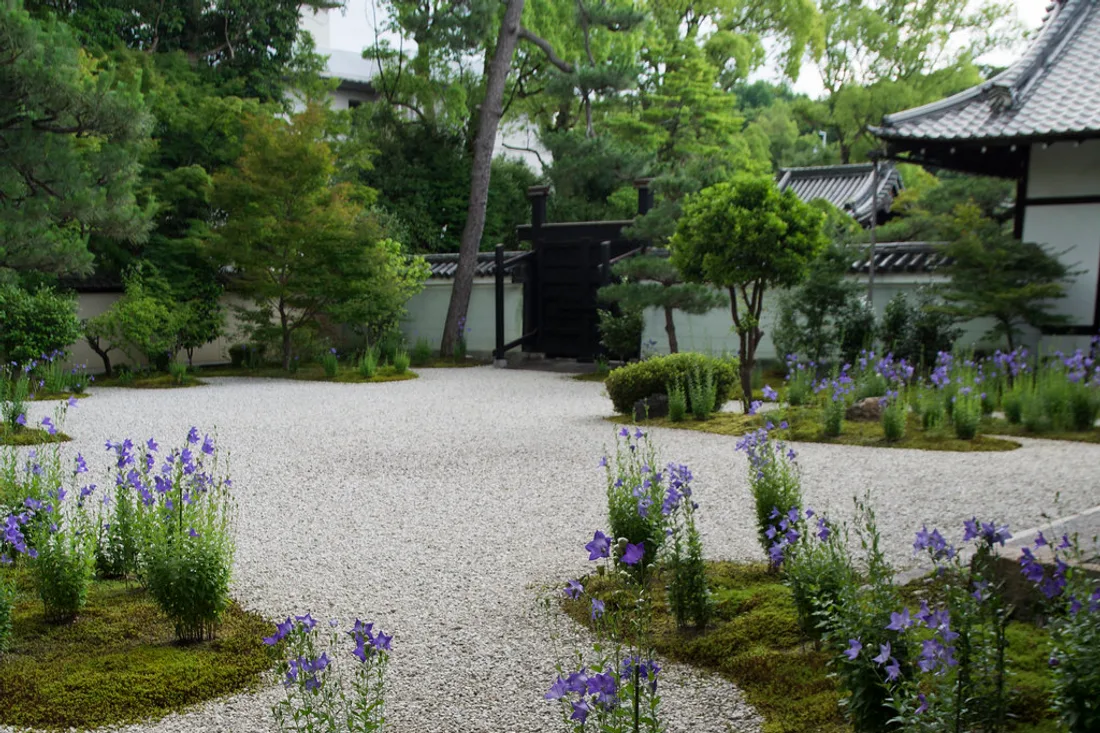
Photos · Patrick Vierthaler · CC BY-NC 2.0
10 SEP – 15 OCT
The last Edo townspeople’s garden, lit for three moon nights
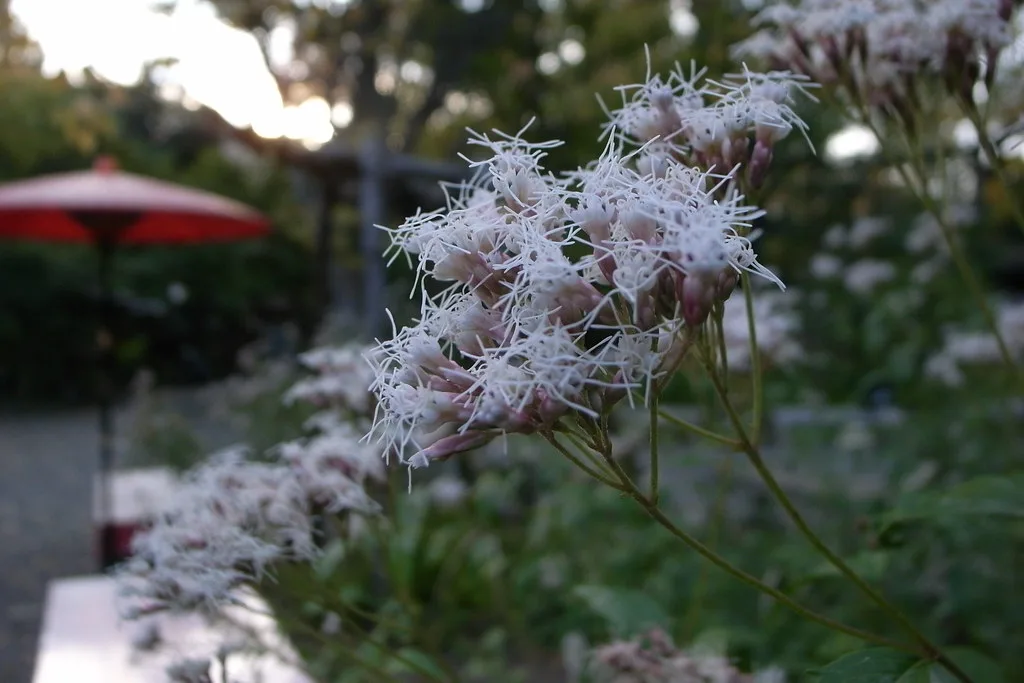
Photo · na0905 · CC BY 2.0
02–19 OCT
Fujibakama by a mirror pond in October, visited by migrating butterflies
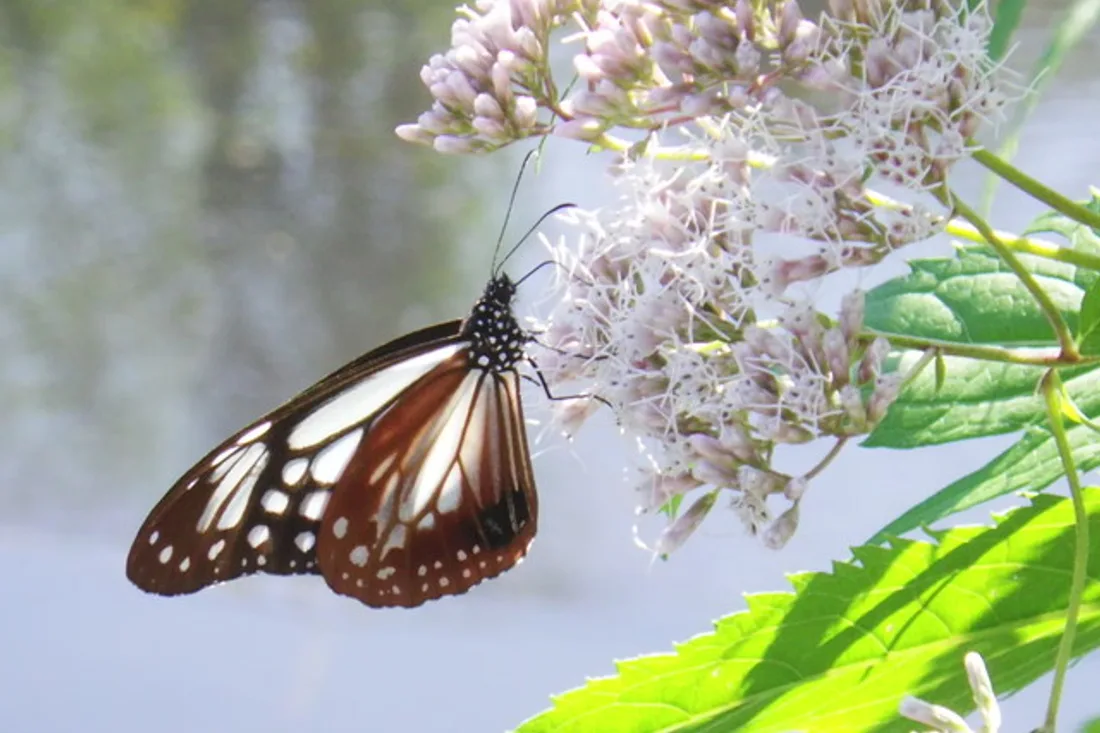
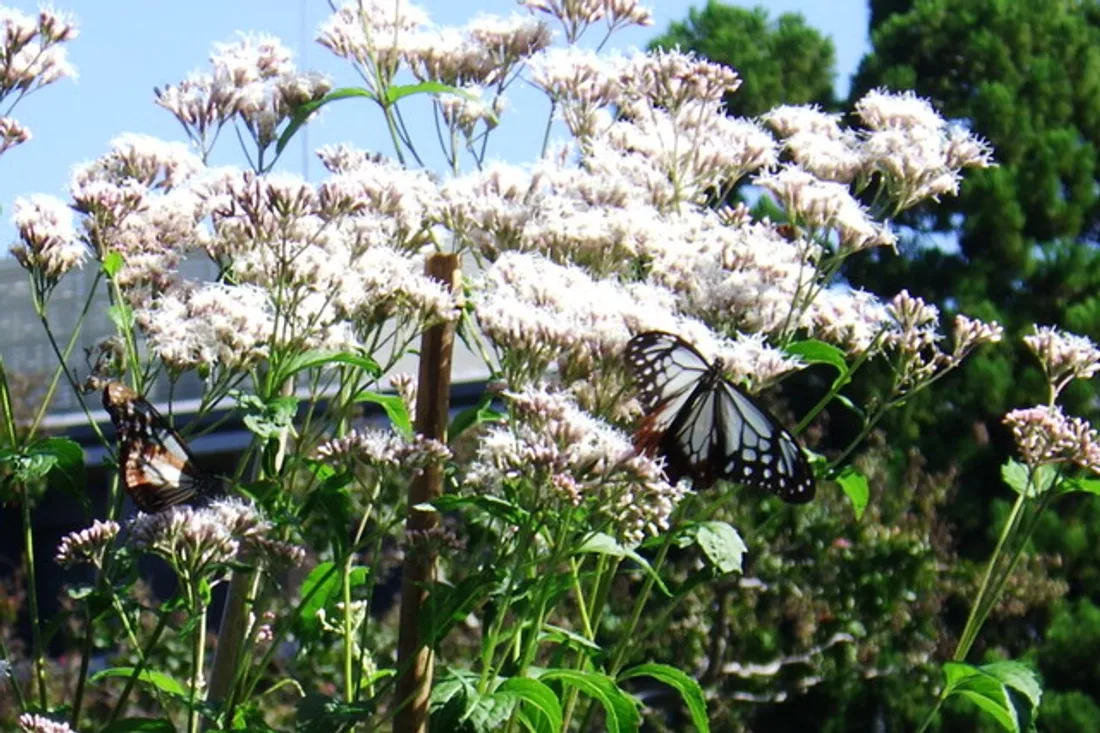
Photos · Kyoto City Greenery Association · © Kyoto City Greenery Association
—
Field research continues across the country. Updates published as verified.
Across Japan the season runs from June to October. The first place in our notes opens on 15 Jun and the last closes on 19 Oct.
Not everywhere. The last places in our notes are Suzaku Garden, Umekoji Park, Kyoto, until 19 Oct; Mukojima-Hyakkaen, Tokyo, until 15 Oct; Rozan-ji, Kyoto, until 5 Sep.
New stamp · Stamp book