05 OCT – 05 NOV · Nature · Bush clover
Togei-no-Mura Park陶芸の村公園
YamaguchiHagi · 25 km from Yamaguchi
 Part of the seasonBush clover萩Where and when to see it · 9 places →
More like this
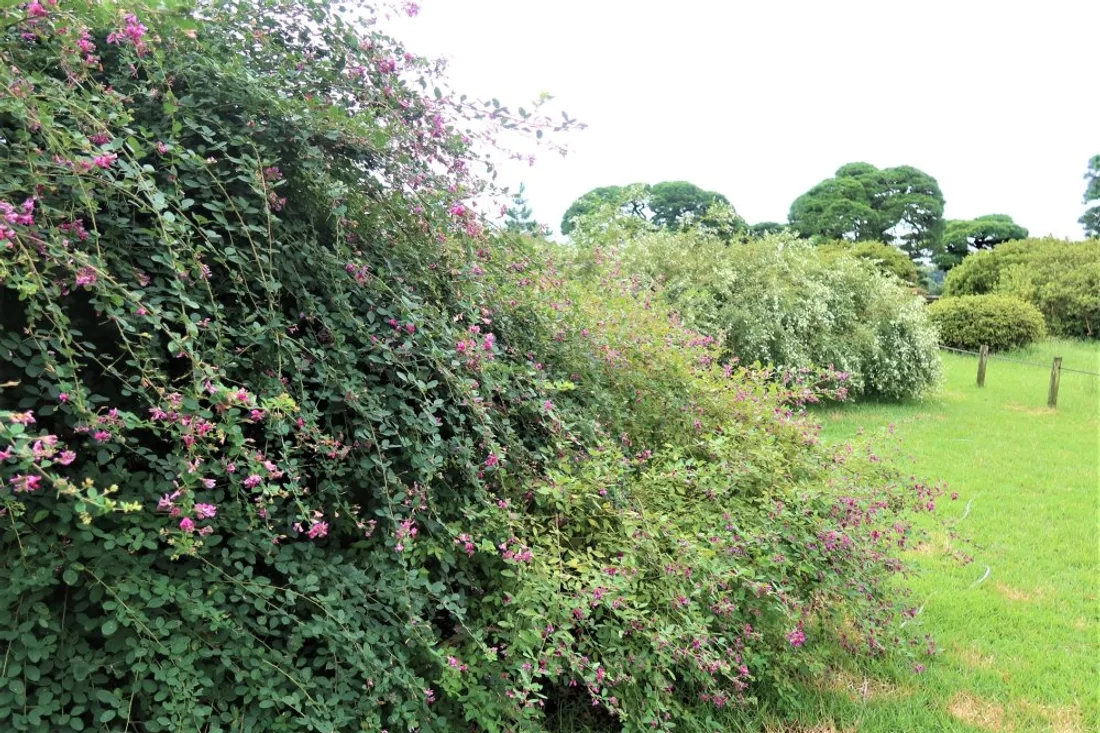 1 Sep – 4 OctBush clover at KairakuenIbaraki · 847 km away
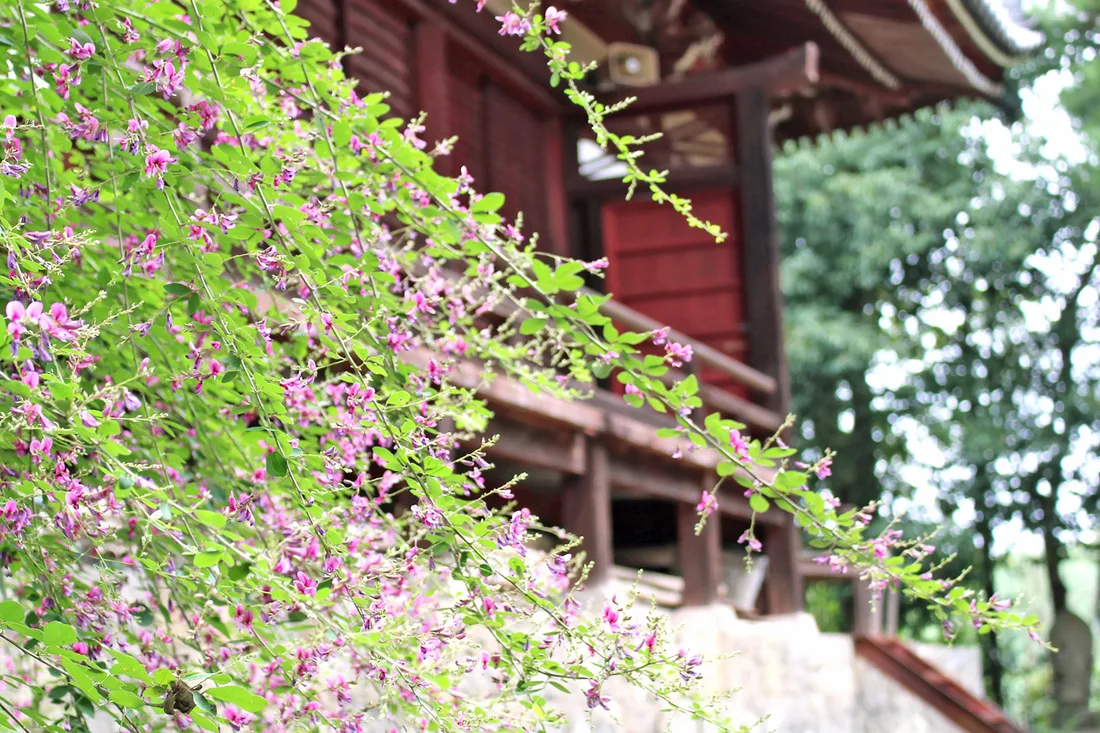 10–30 SepBush clover at Hagiwara-ji TempleKagawa · 211 km away
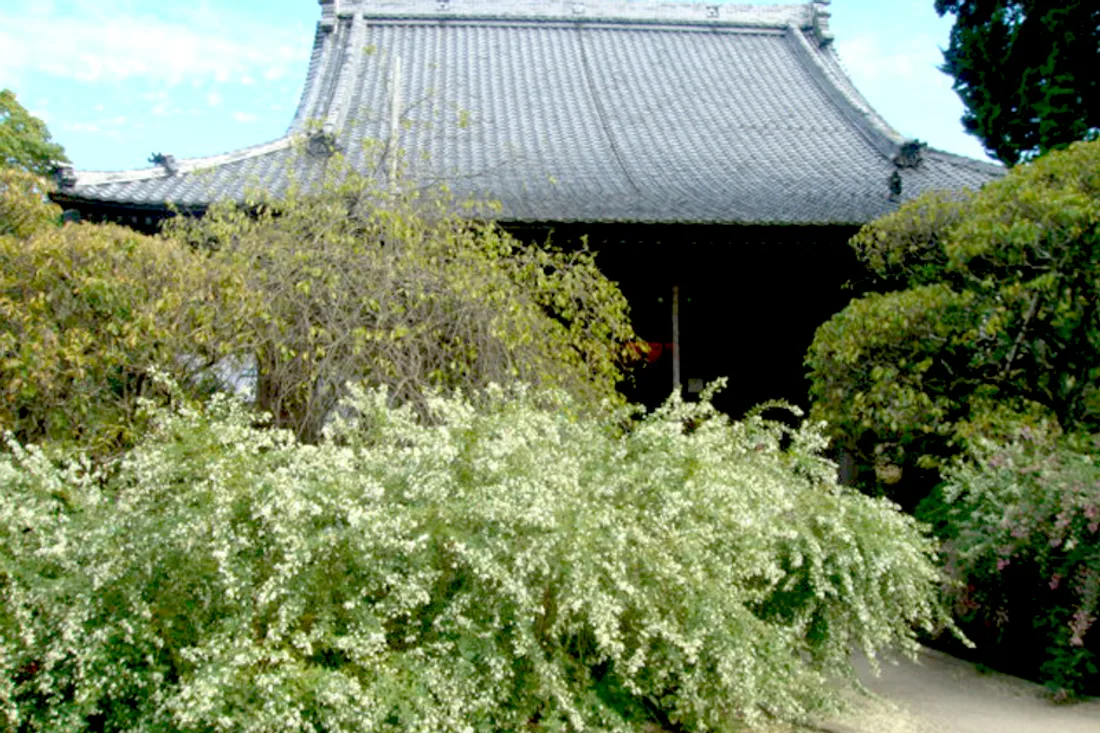 10–30 SepBush clover at Hokai-ji TempleKanagawa · 749 km away
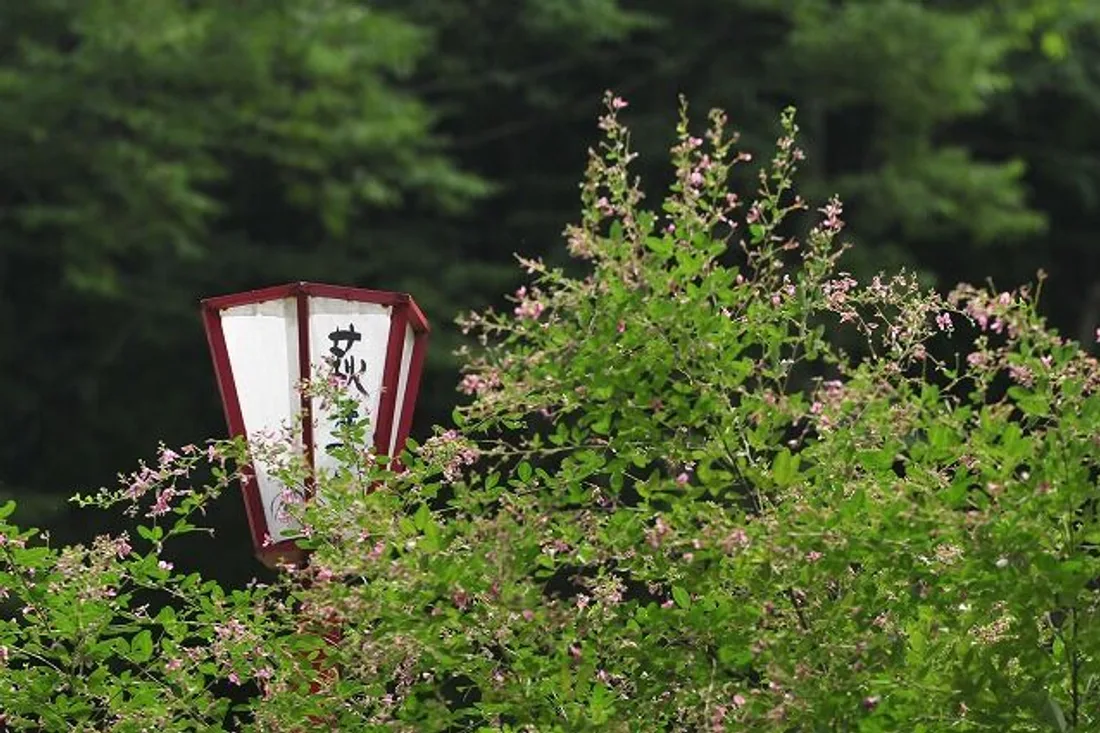 10–30 SepBush clover at Sendai City Wild Plants GardenMiyagi · 947 km away
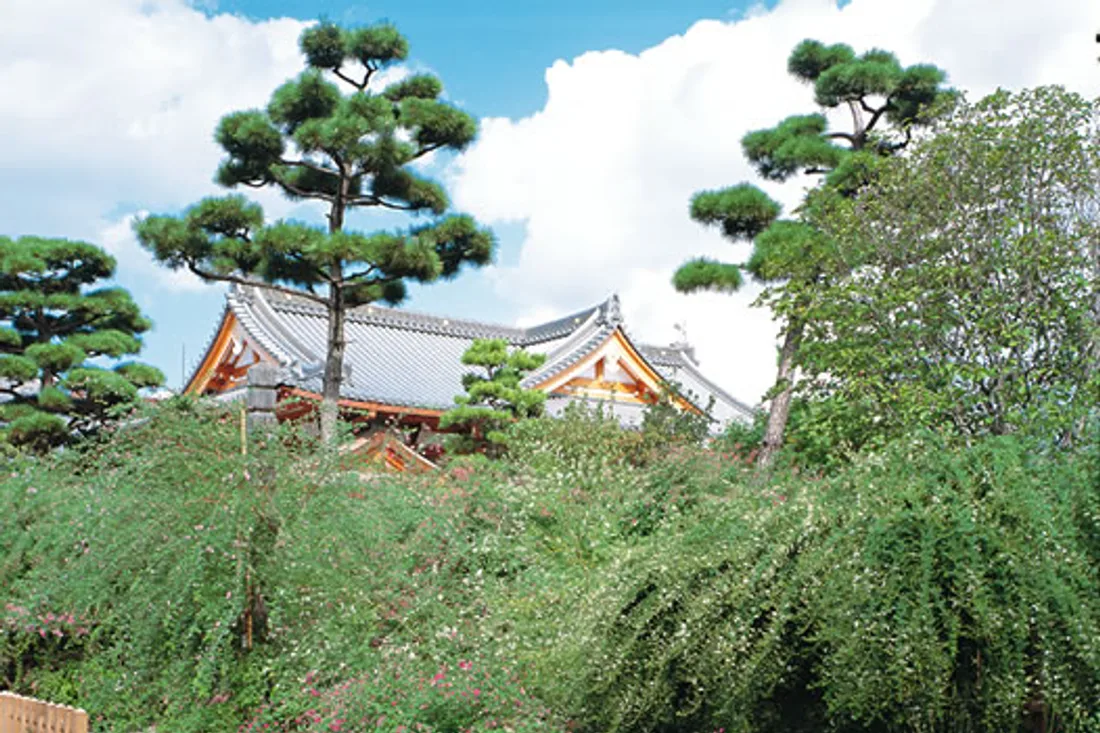 10–30 SepBush clover at Tokoin, the Hagi TempleOsaka · 372 km away
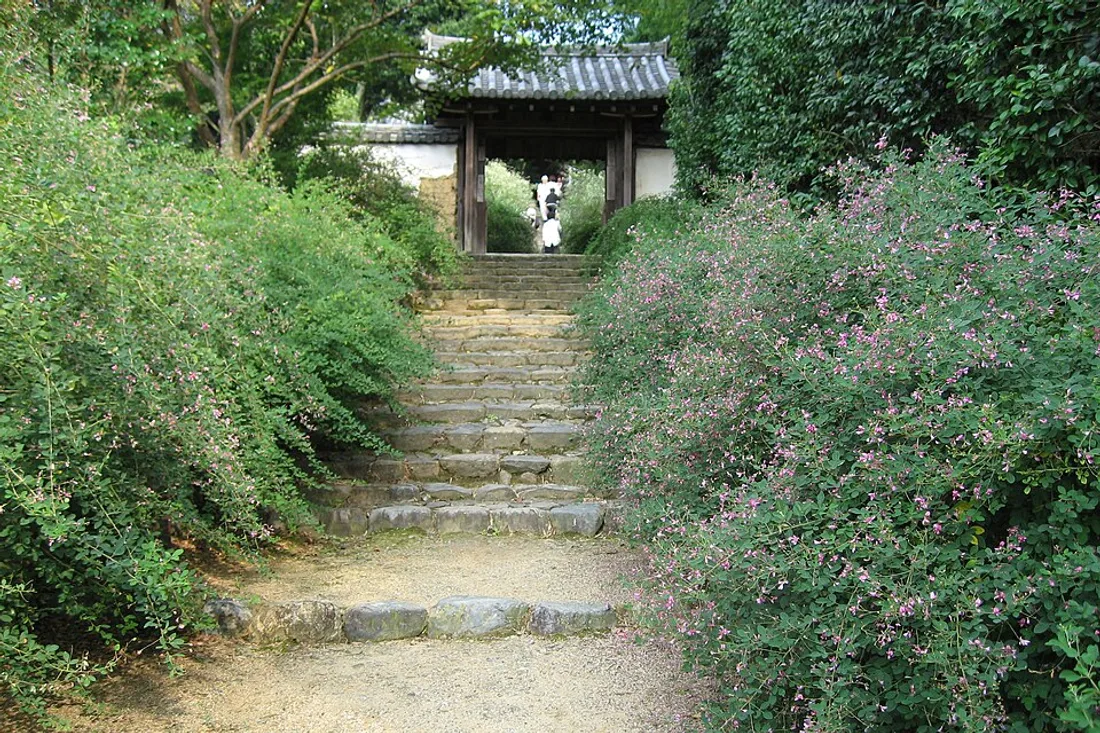 15 Sep – 5 OctBush clover at Hakugo-ji TempleNara · 407 km away
 15 Sep – 10 OctBush clover at Mukojima-HyakkaenTokyo · 777 km away
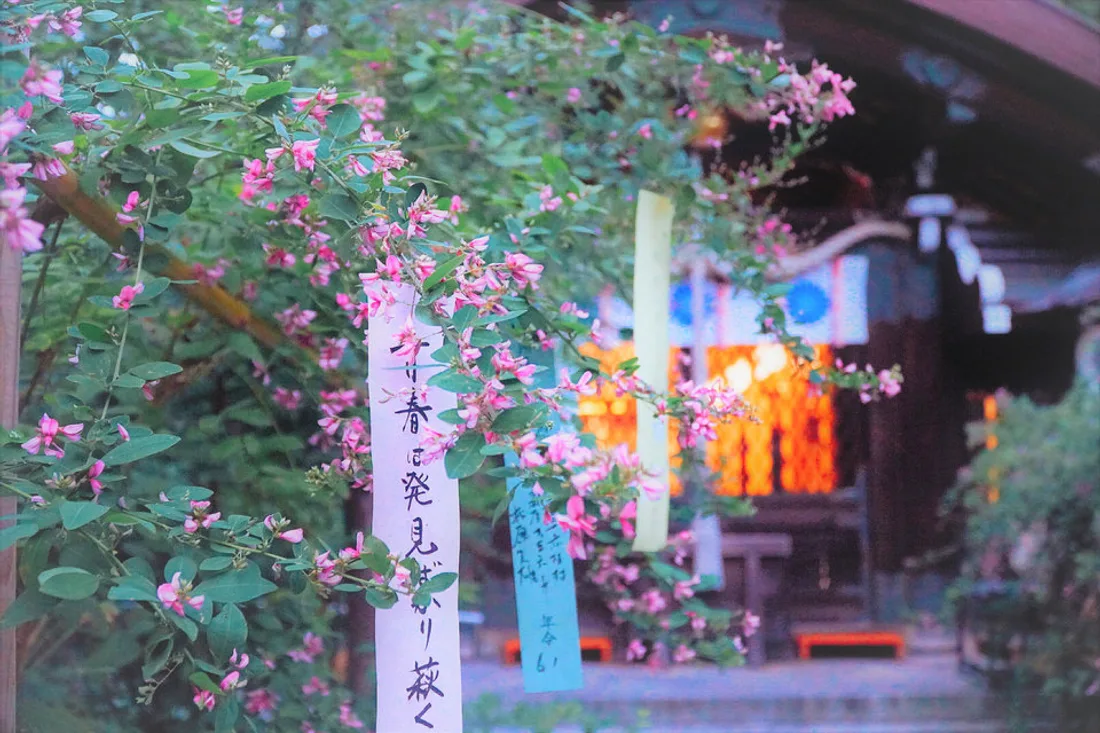 15 Sep – 5 OctBush clover at Nashinoki ShrineKyoto · 403 km away
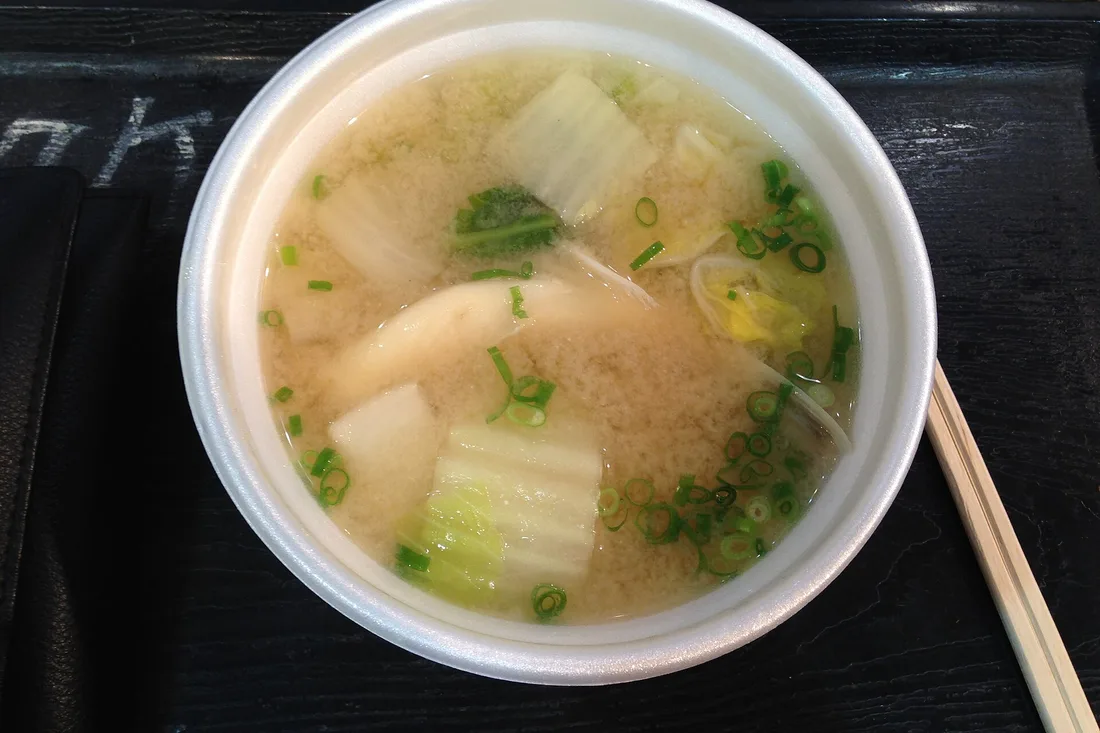 23 Sep – 20 MarFugu at Karato Market, ShimonosekiYamaguchi · 67 km away
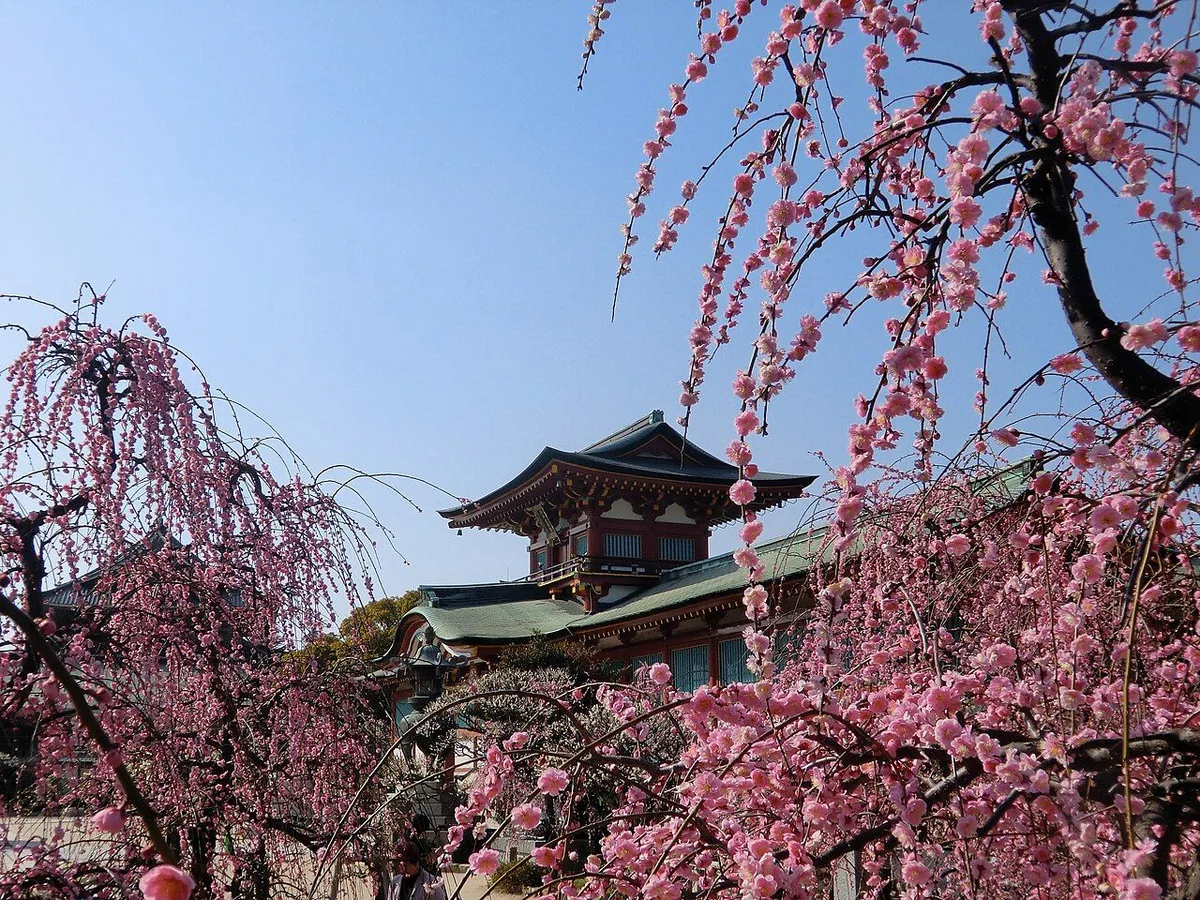 10 Feb – 5 MarPlum blossom at Hofu TenmanguYamaguchi · 41 km away
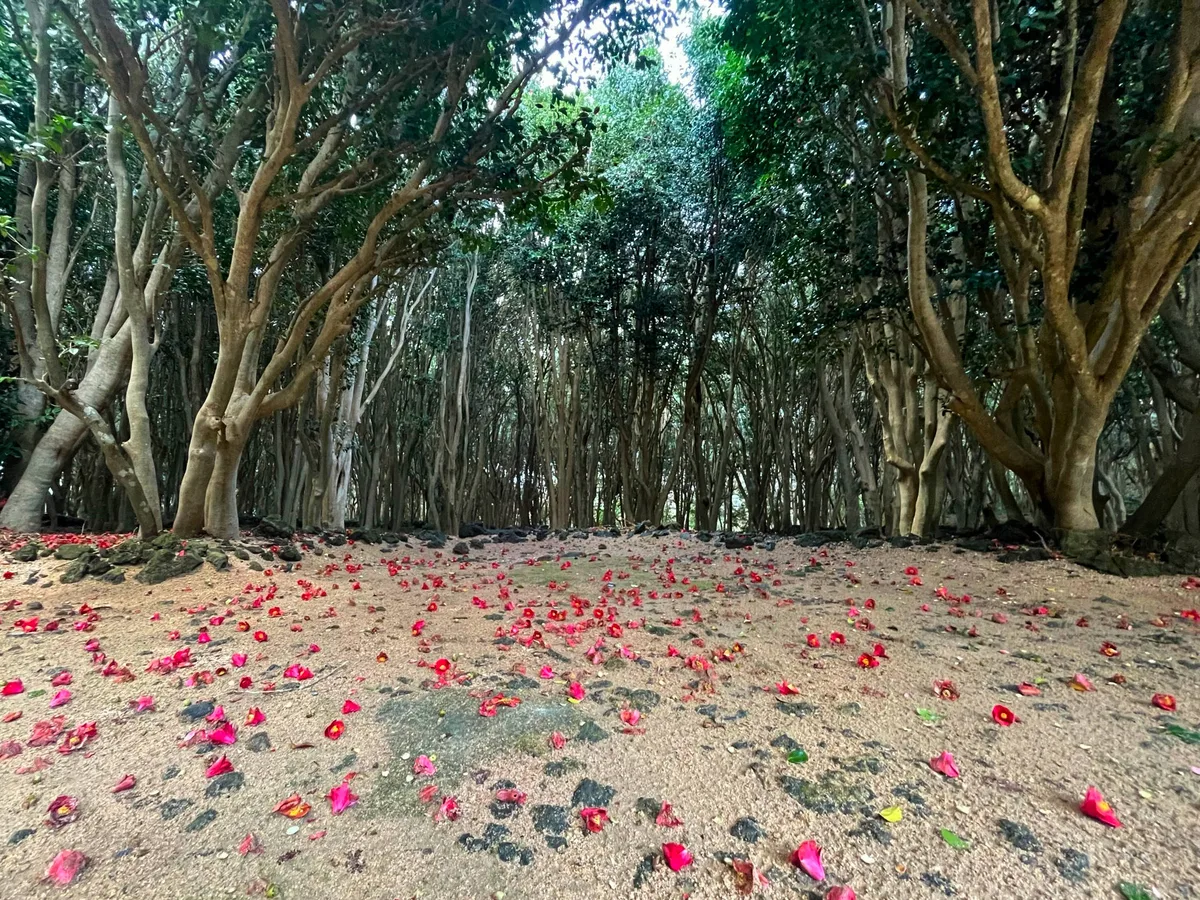 15 Feb – 31 MarCamellias at Kasayama Camellia GroveYamaguchi · 6 km away
 1–25 JunFireflies at Toyota firefly boats on the Koya RiverYamaguchi · 39 km away
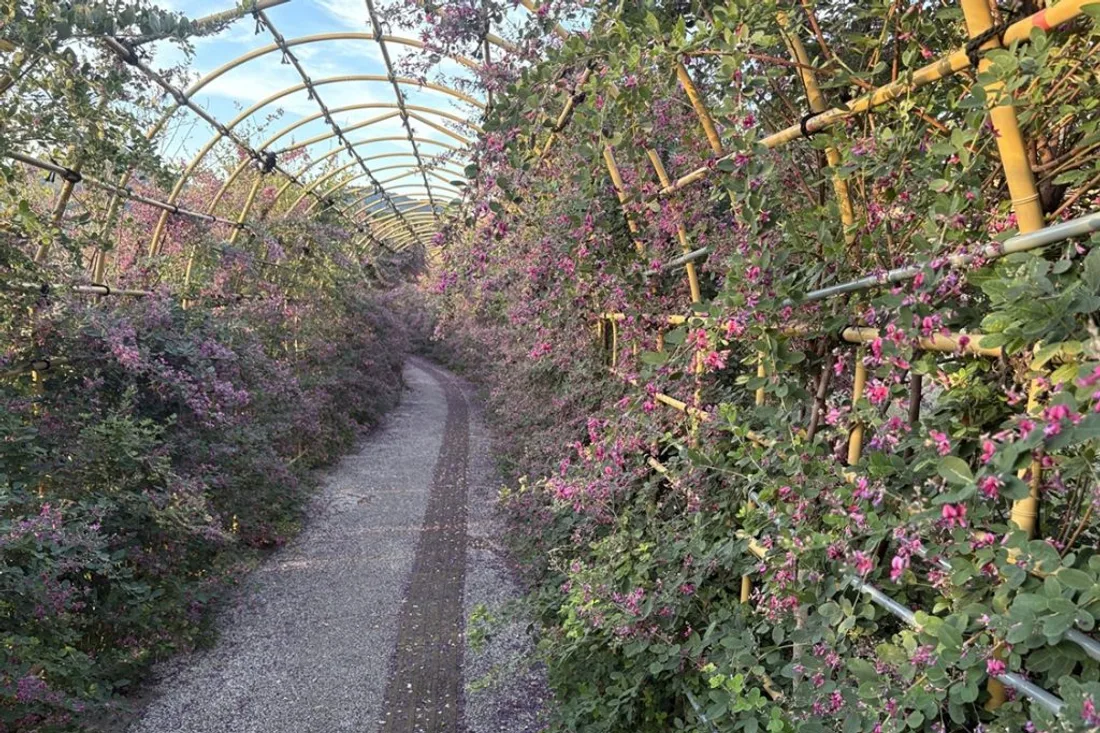
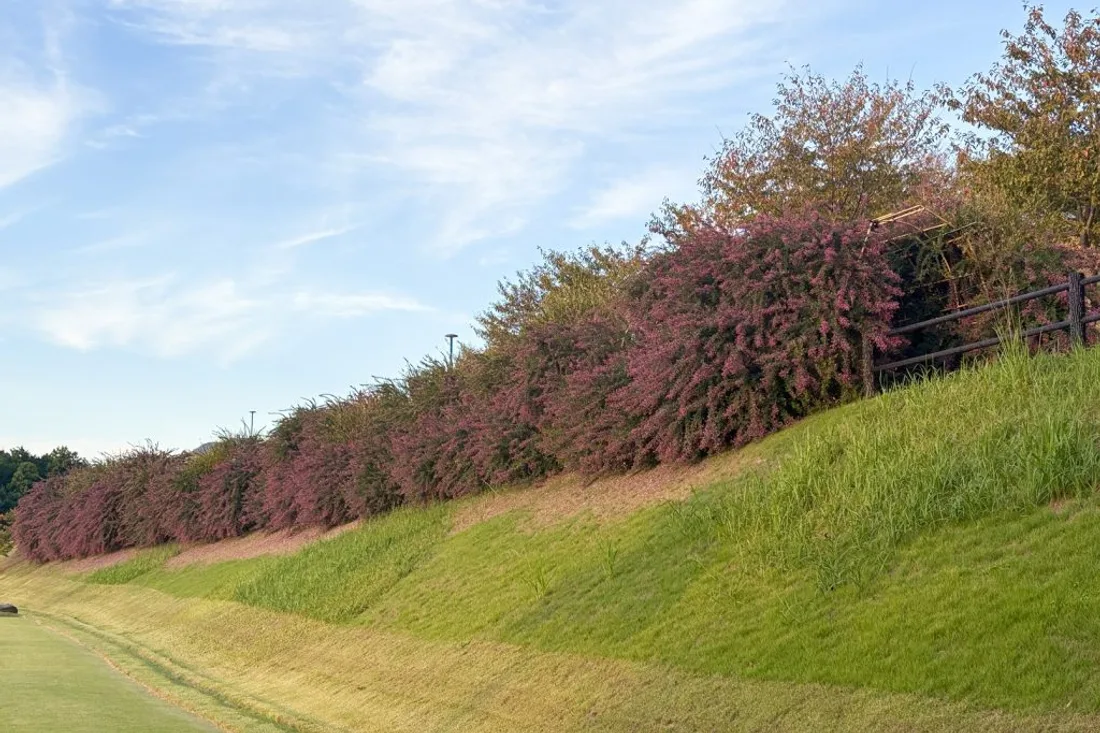
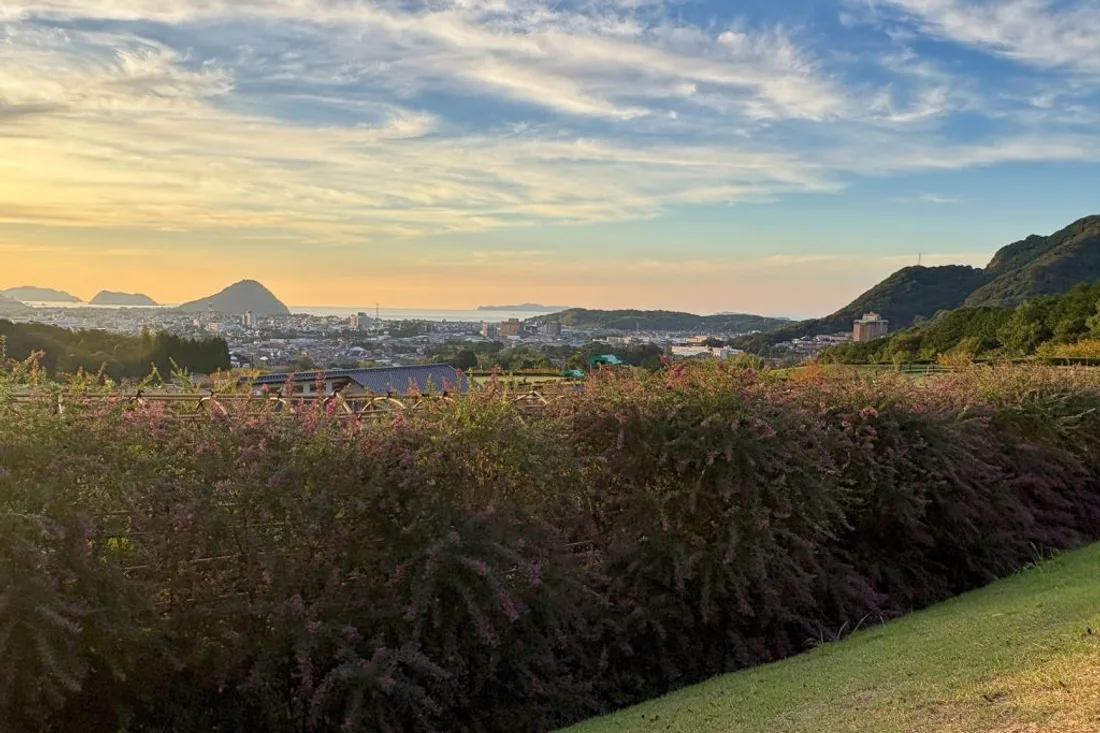
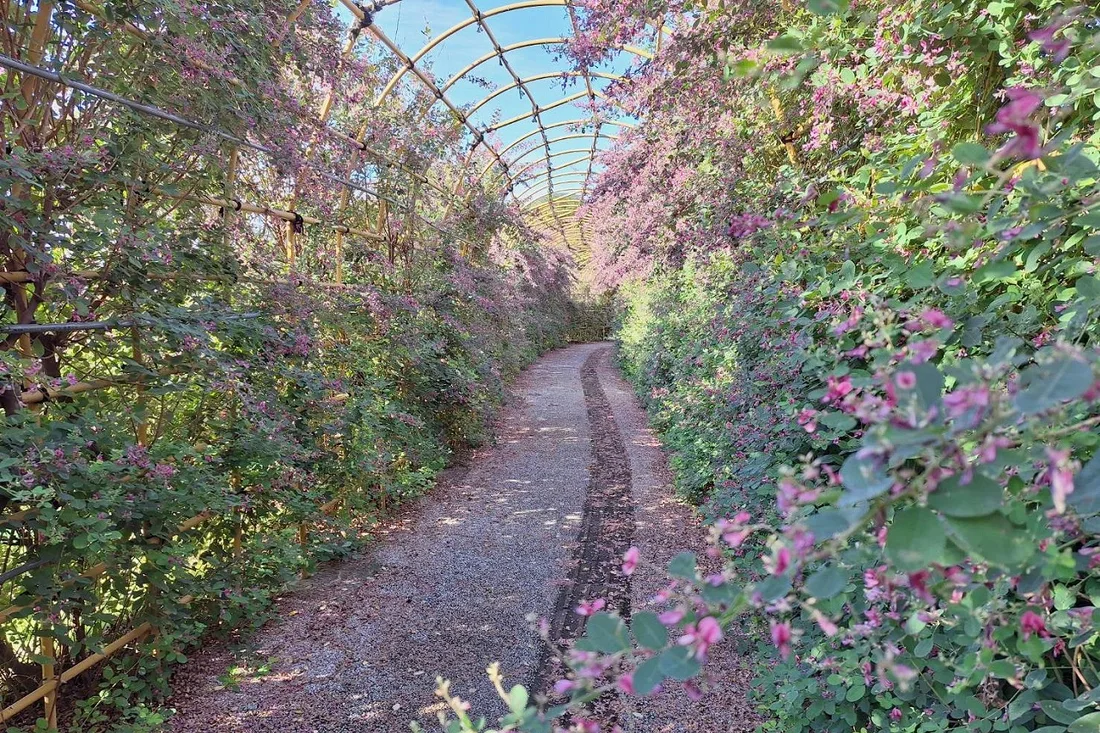
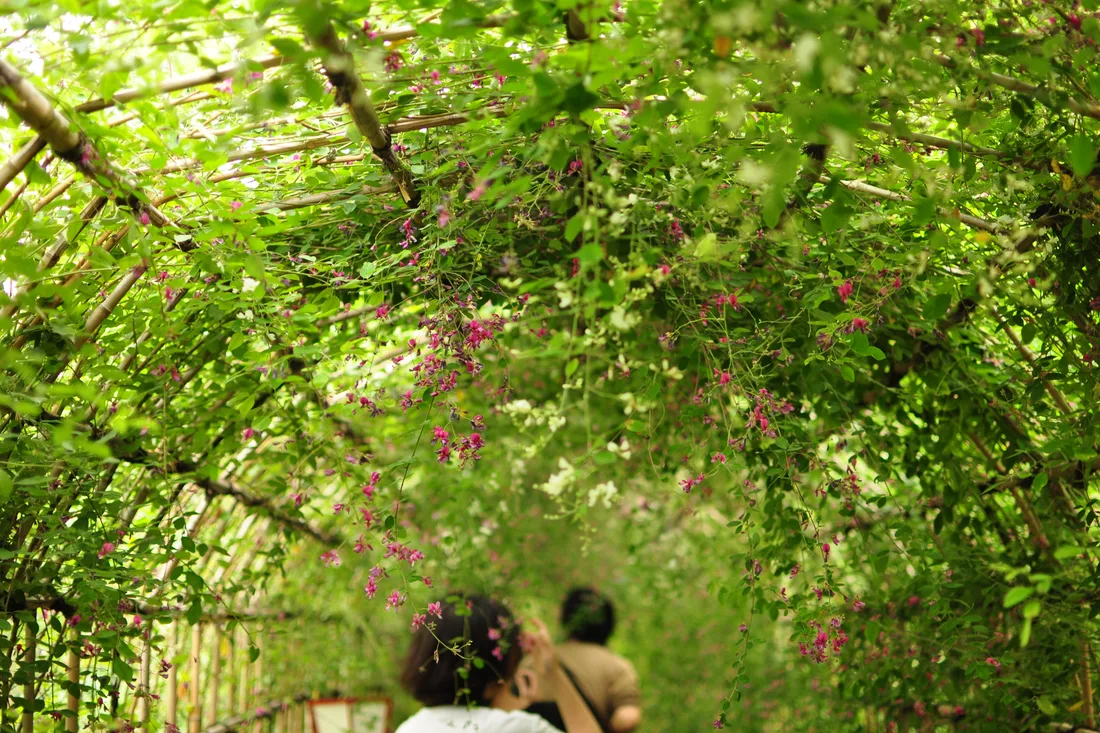
On a hilltop park above Hagi, 200 bushes form a 50 m tunnel of hagi, the flower of the city that shares its name. It flowers later than most, in mid-October, and from inside the deep pink walls you look out over the old castle town, Mount Shizuki and the Sea of Japan.
- Season
- Bush clover · 5 Oct – 5 Nov · peak 15 Oct
- Where
- YamaguchiGoogle Maps
- Open
- Park open to walk at any time, free · free car parkOfficial hours ↗
- Survive
- Low. After a dry summer in 2025 the tunnel roof did not close and showed open sky; the tourism association expects flowers until early November.
- Holidays
- Sports Day · Mon 11 OctCulture Day · Wed 3 NovLong weekend: expect full trains and hotels
- Access
- Hagi Maaru loop bus (east route) to Shoin-no-Oka / Togei-no-Mura Koen, then a short walk up through the park.
- Source
- Official siteBush clover page · checked 2026-11-07
- Photos
-
4 photos · credits
- Hagi Tourism Association · © Hagi Tourism Association
- Hagi Tourism Association · © Hagi Tourism Association
- Hagi Tourism Association · © Hagi Tourism Association
- Hagi Tourism Association · © Hagi Tourism Association
Background
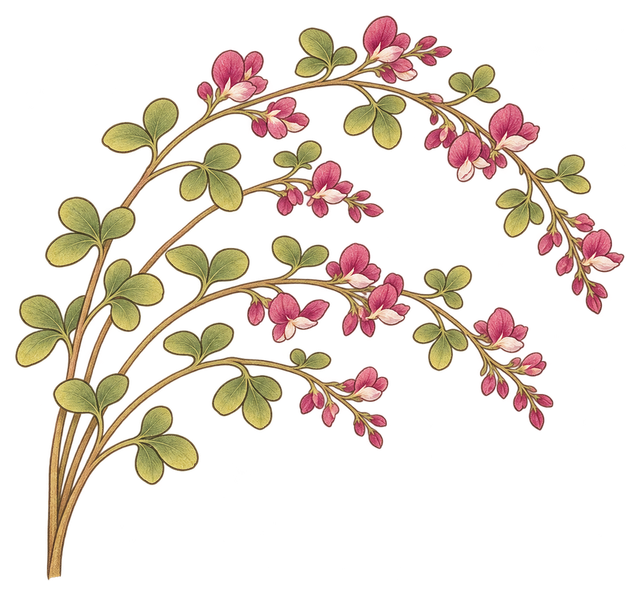
Hagi is the plant most often sung in the Man’yoshu, and it is said to be one source of the city’s name.