01–25 JUN · Nature · Hydrangea
Hasedera, Kamakura鎌倉 長谷寺
KanagawaKamakura · 20 km from Yokohama
 Part of the seasonHydrangea紫陽花Where and when to see it · 20 places →
More like this
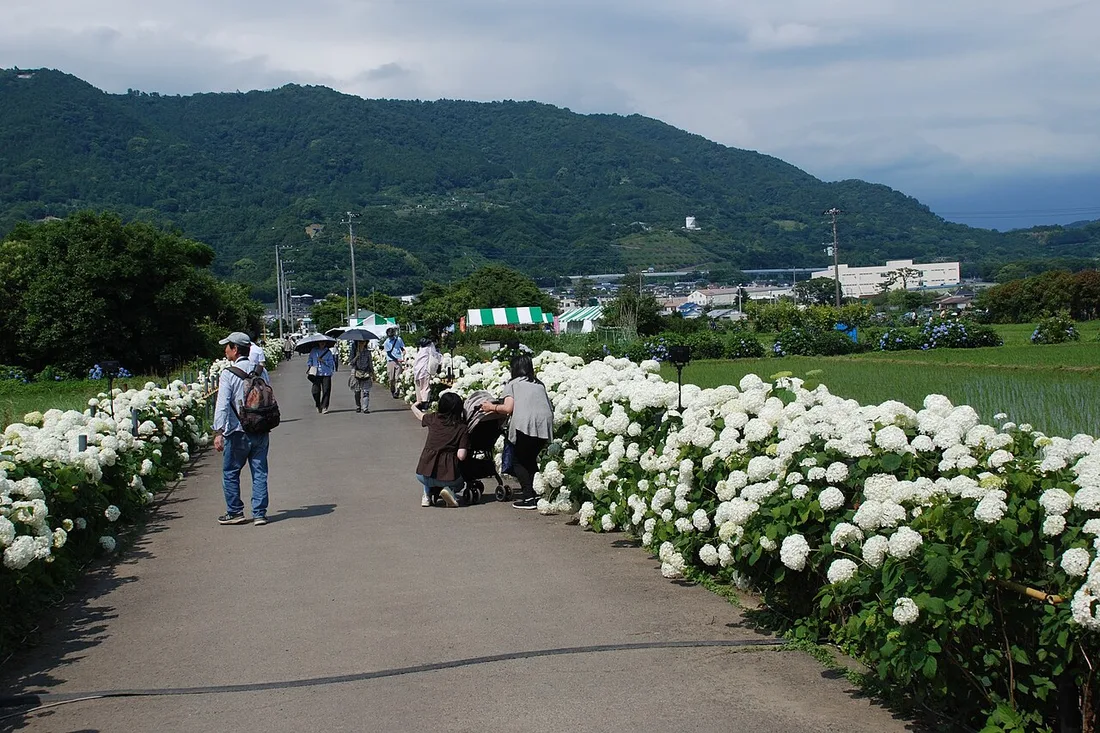 28 May – 20 JunHydrangea at Kaisei Ajisai no SatoKanagawa · 38 km away
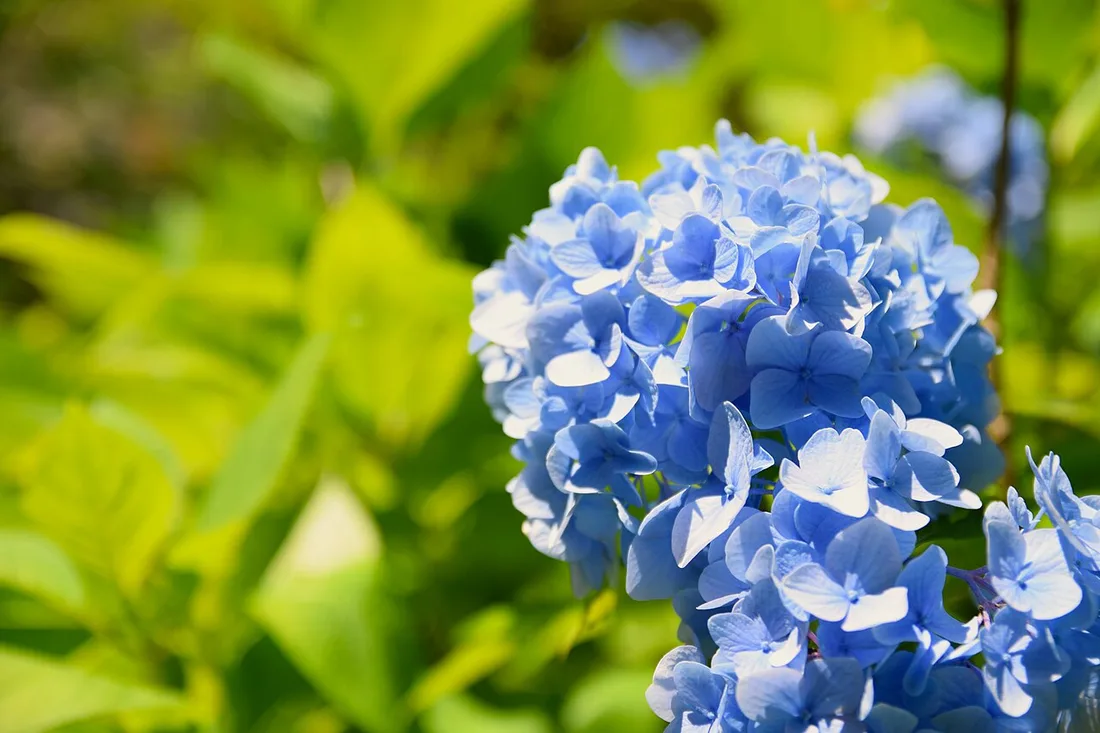 5–30 JunHydrangea at Meigetsu-inKanagawa · 3 km away
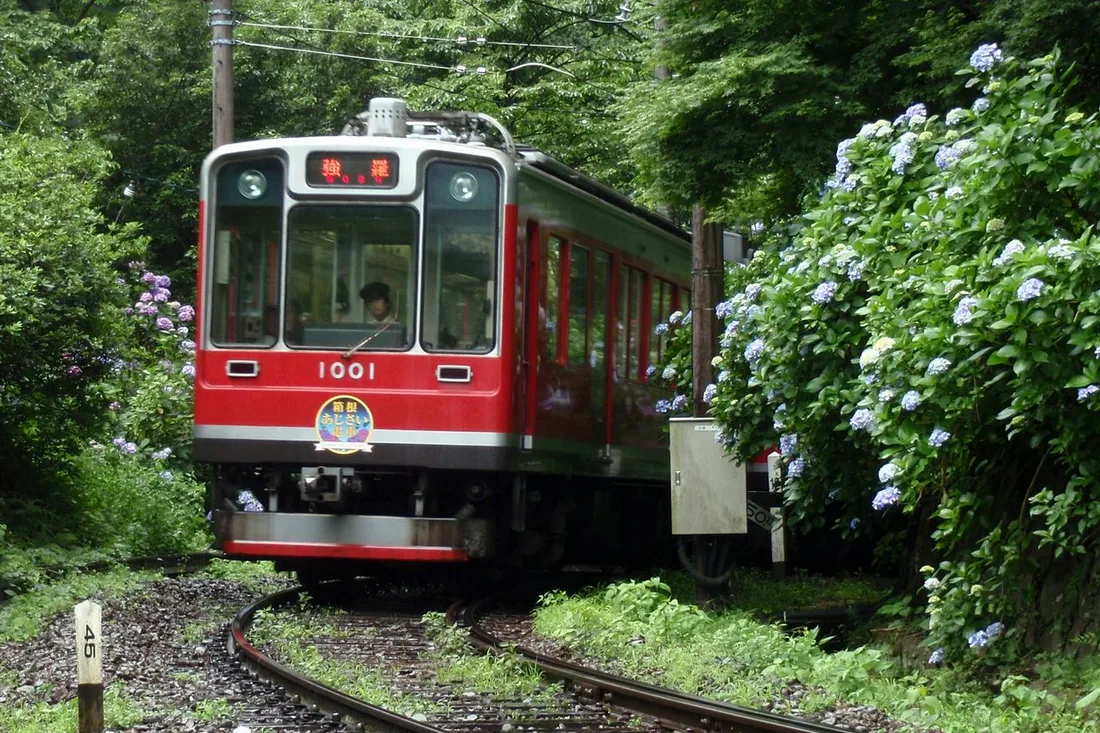 14 Jun – 10 JulHydrangea at Hakone Tozan RailwayKanagawa · 42 km away
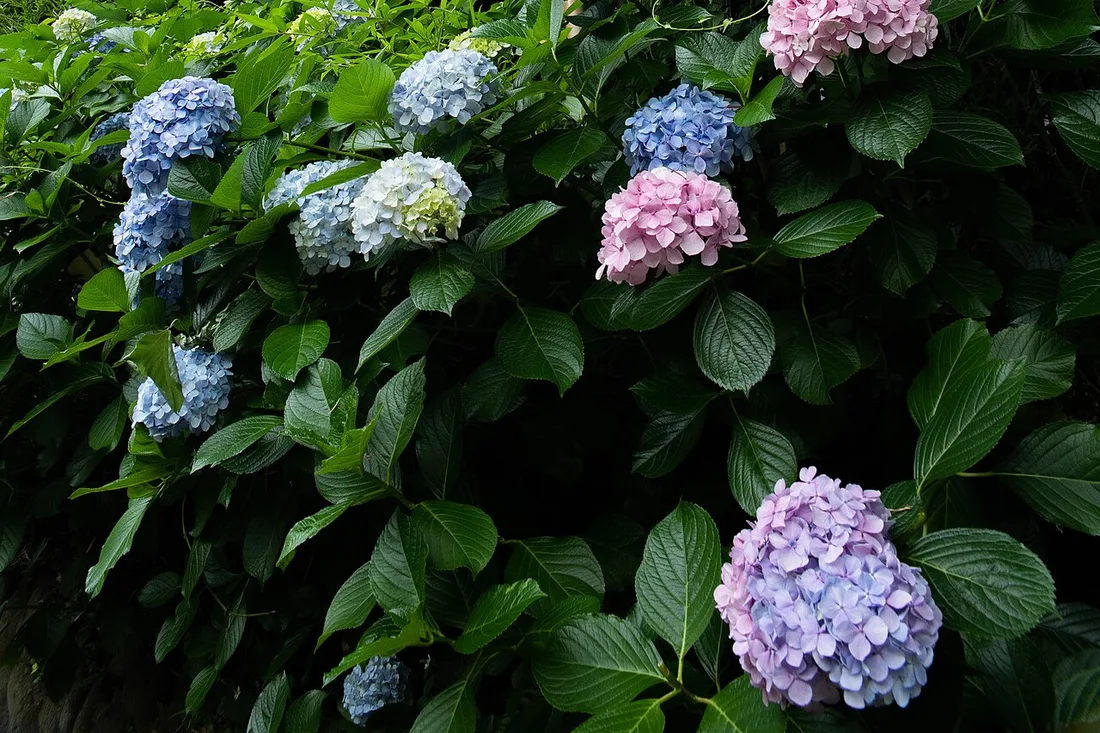 1–30 JunHydrangea at Asukayama Hydrangea Path (Asuka no Komichi)Tokyo · 52 km away
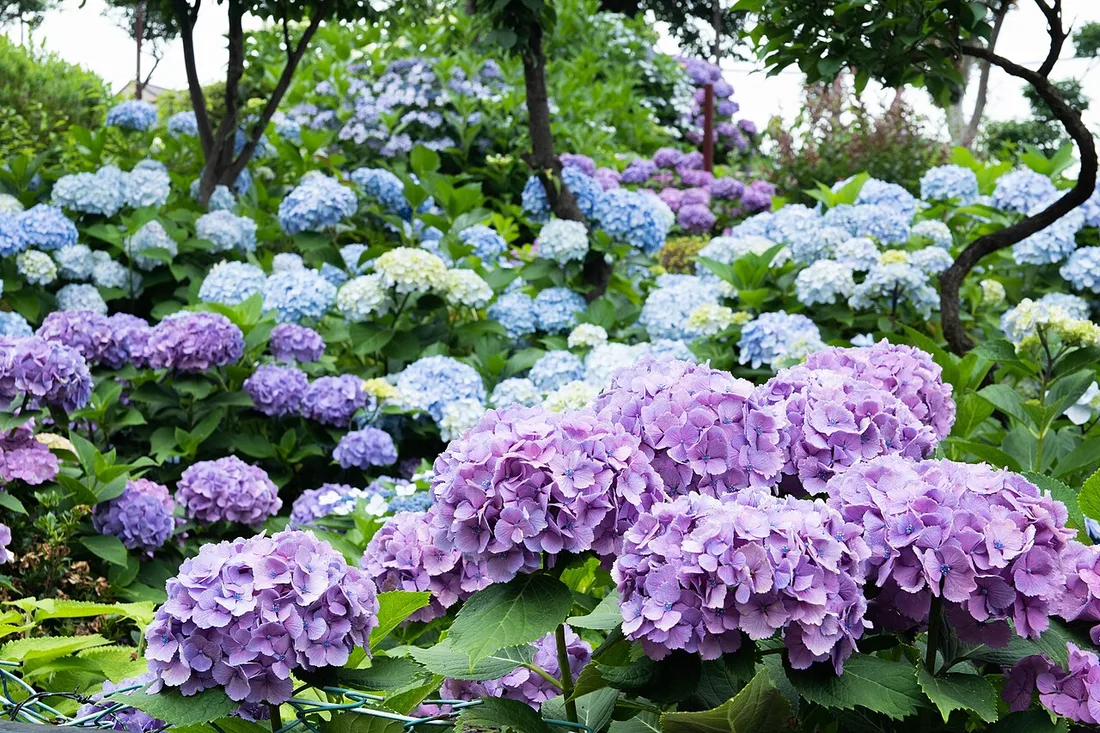 1–20 JunHydrangea at Hakusan Shrine, BunkyoTokyo · 50 km away
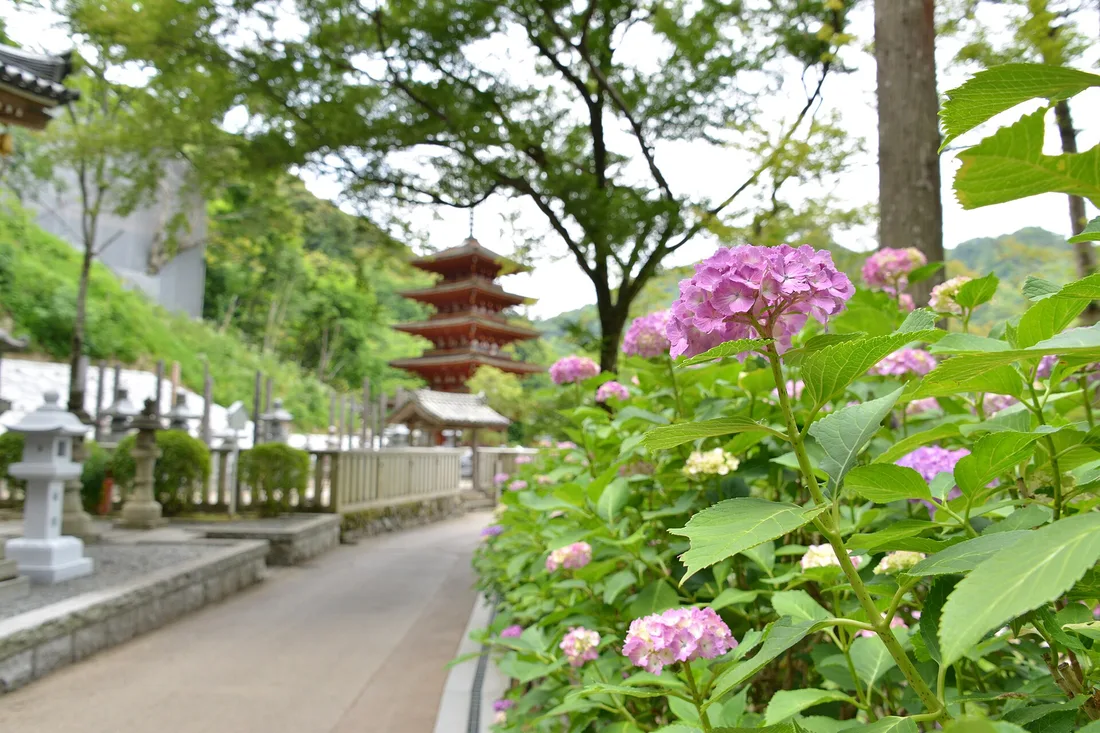 1 Jun – 5 JulHydrangea at HasederaNara · 342 km away
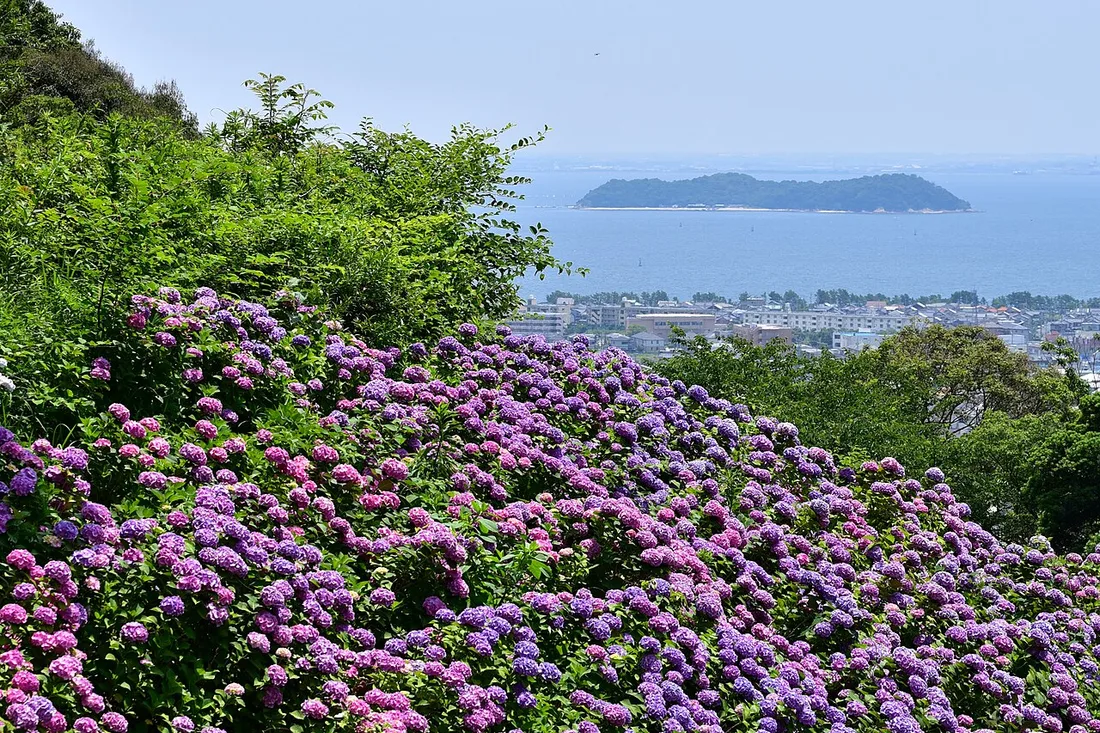 1–30 JunHydrangea at Katahara Onsen Ajisai no SatoAichi · 222 km away
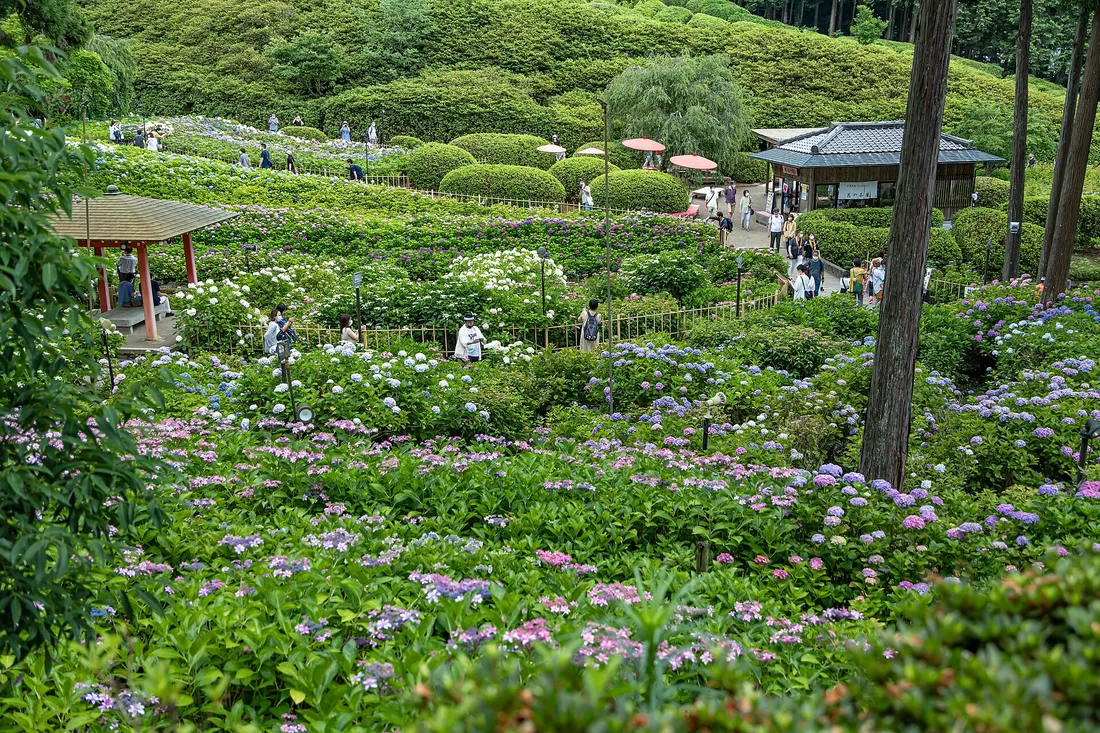 1 Jun – 5 JulHydrangea at Mimuroto-jiKyoto · 341 km away
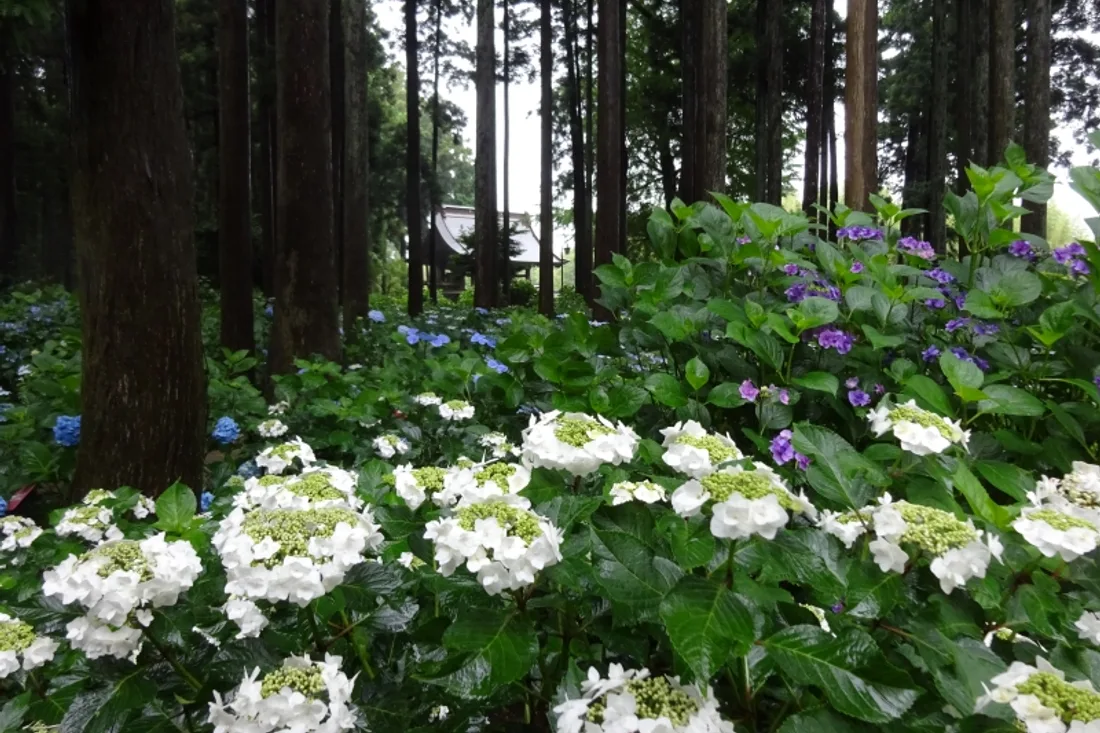 1–24 JunHydrangea at Nichihonji Temple, TakoChiba · 99 km away
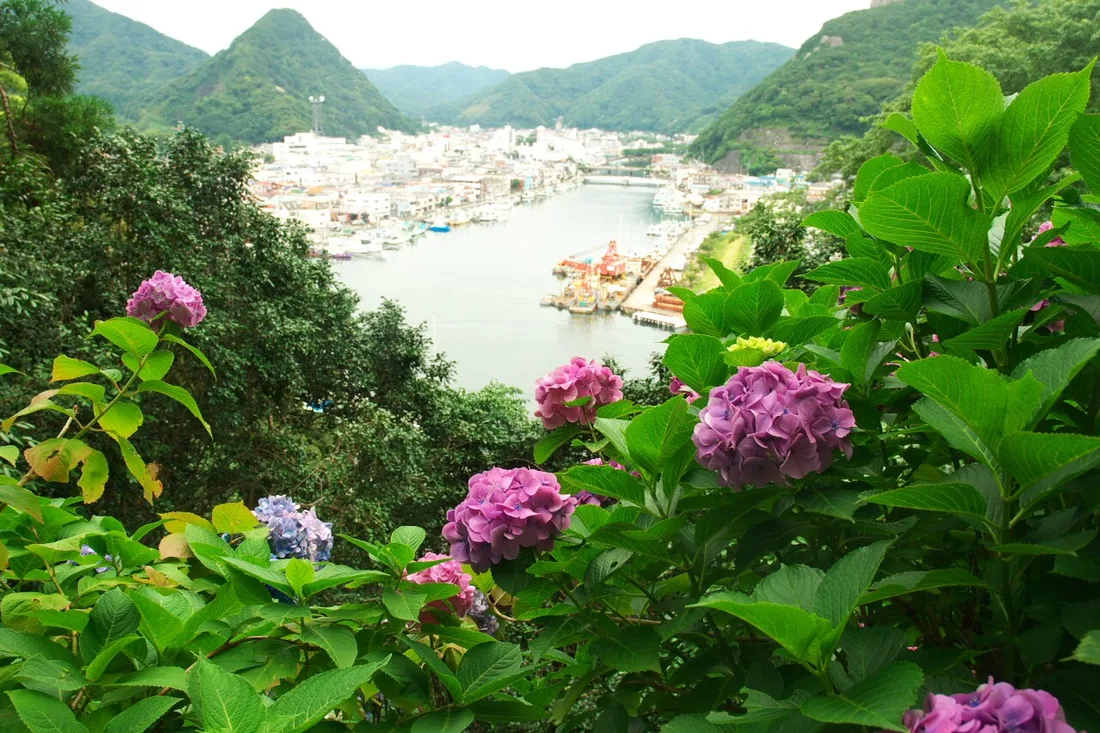 1–30 JunHydrangea at Shimoda ParkShizuoka · 89 km away
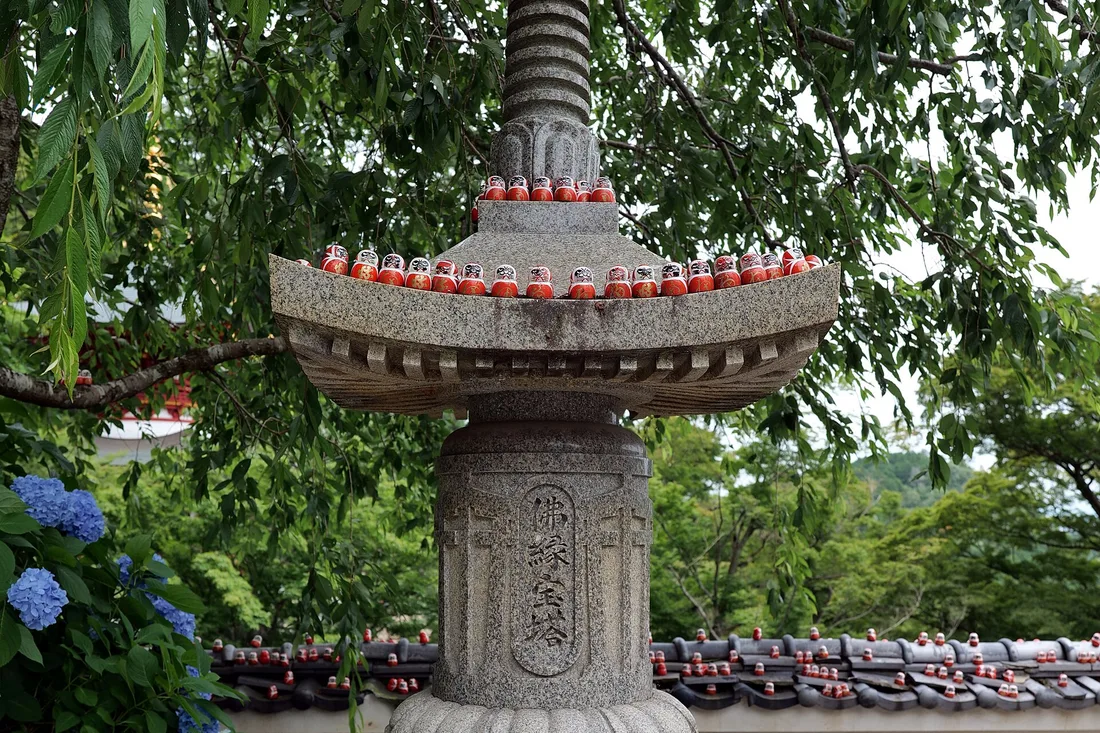 5 Jun – 15 JulHydrangea at Katsuo-jiOsaka · 371 km away
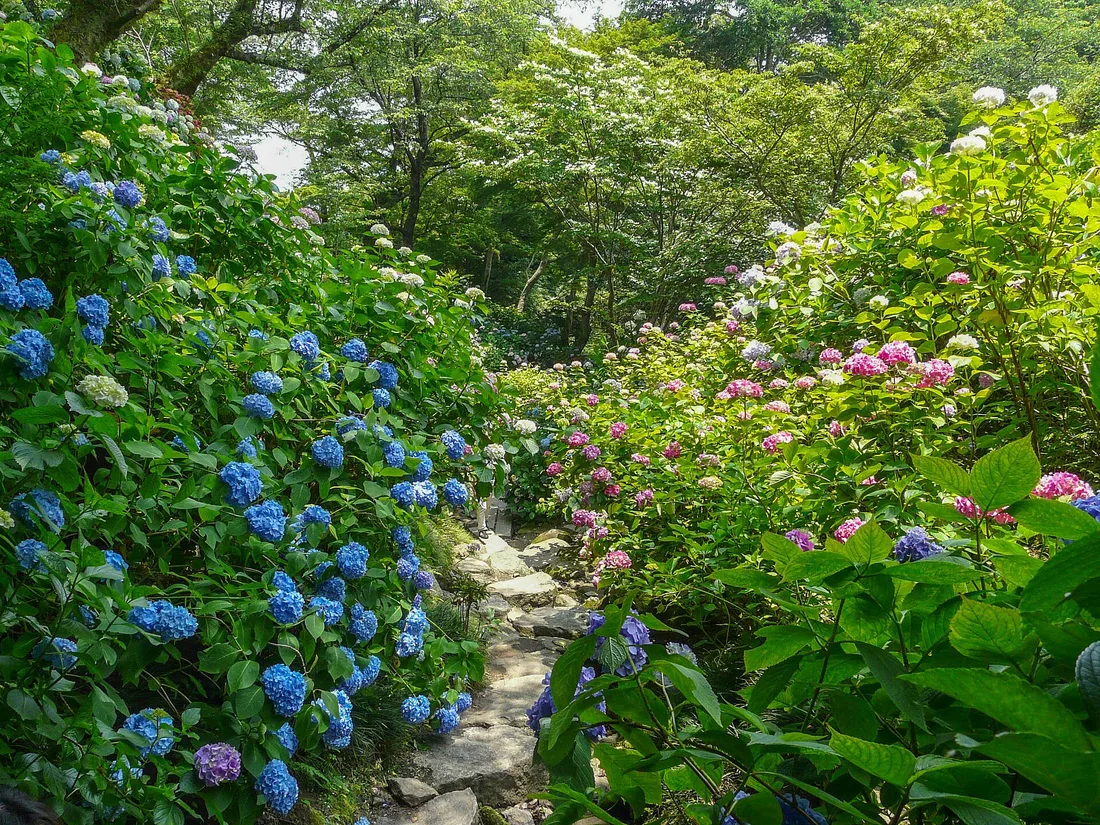 5 Jun – 5 JulHydrangea at YataderaNara · 354 km away
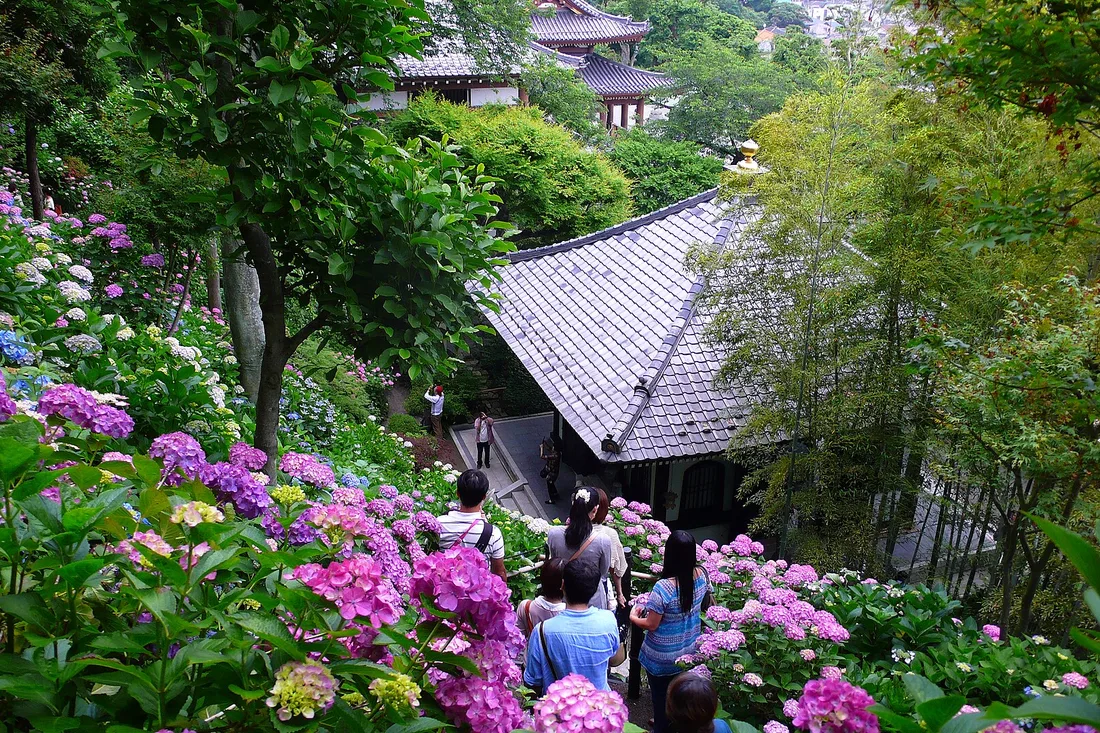
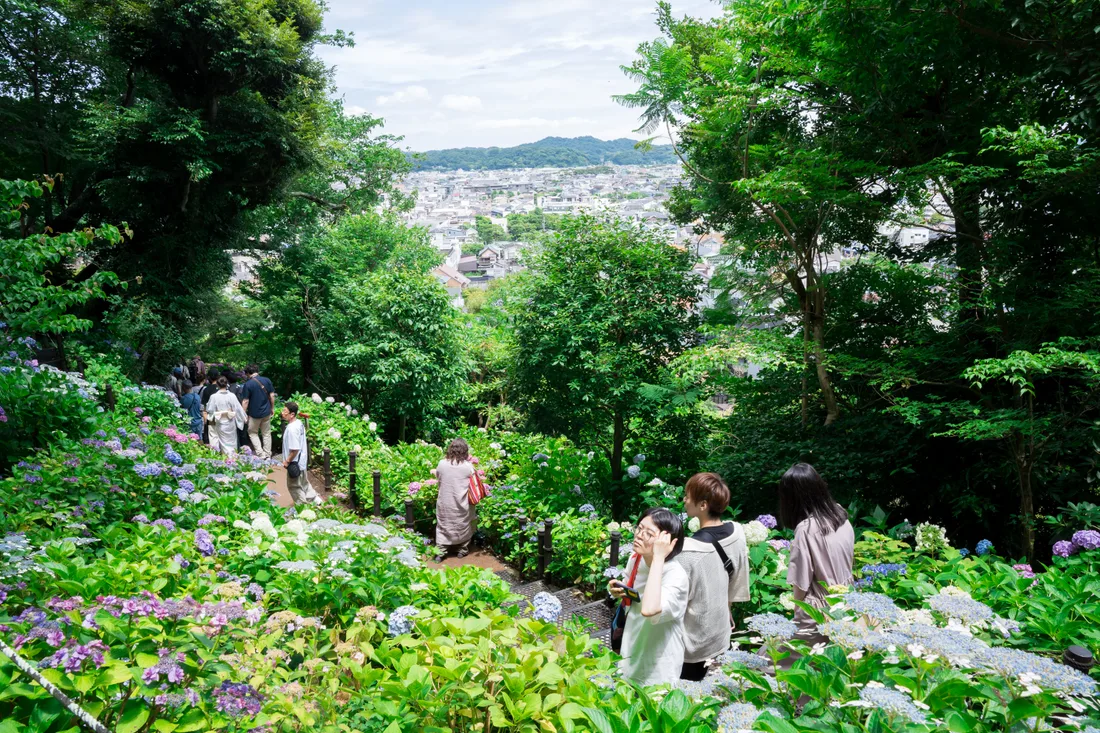
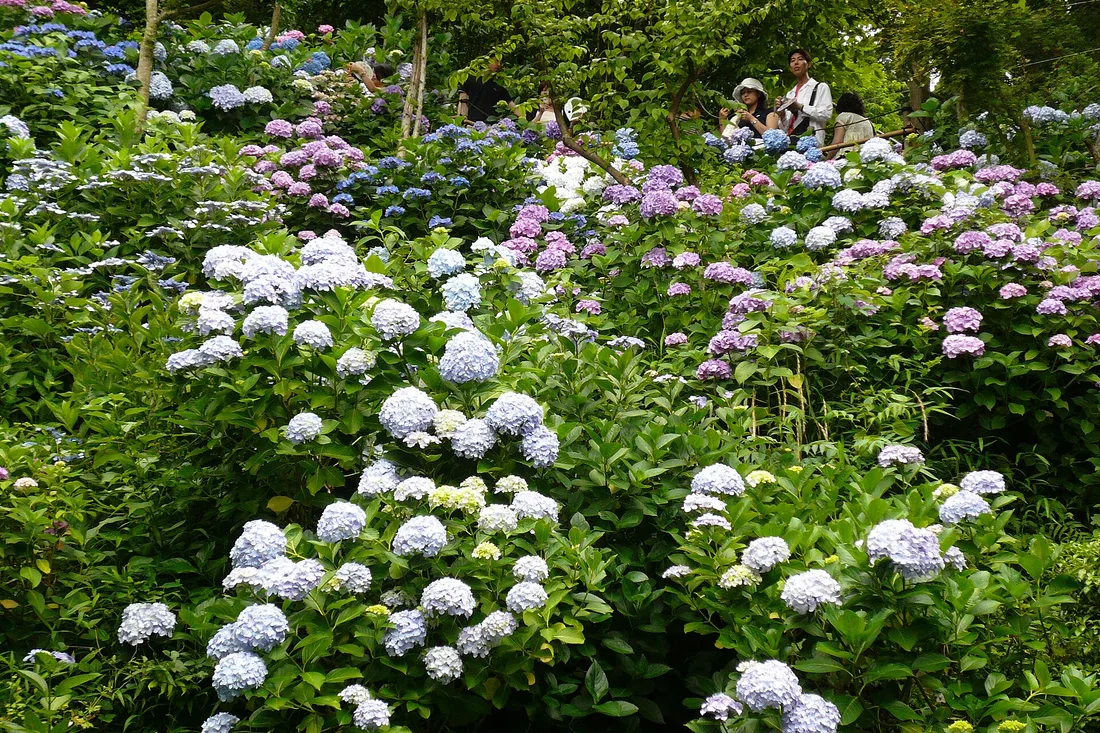
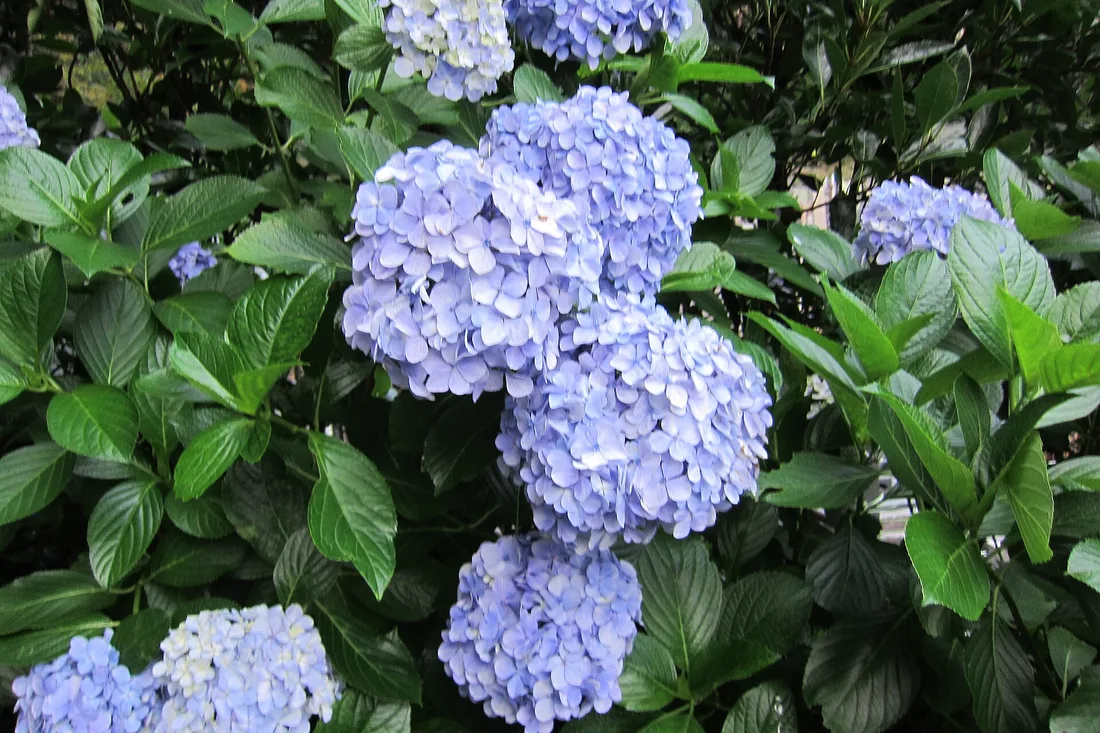
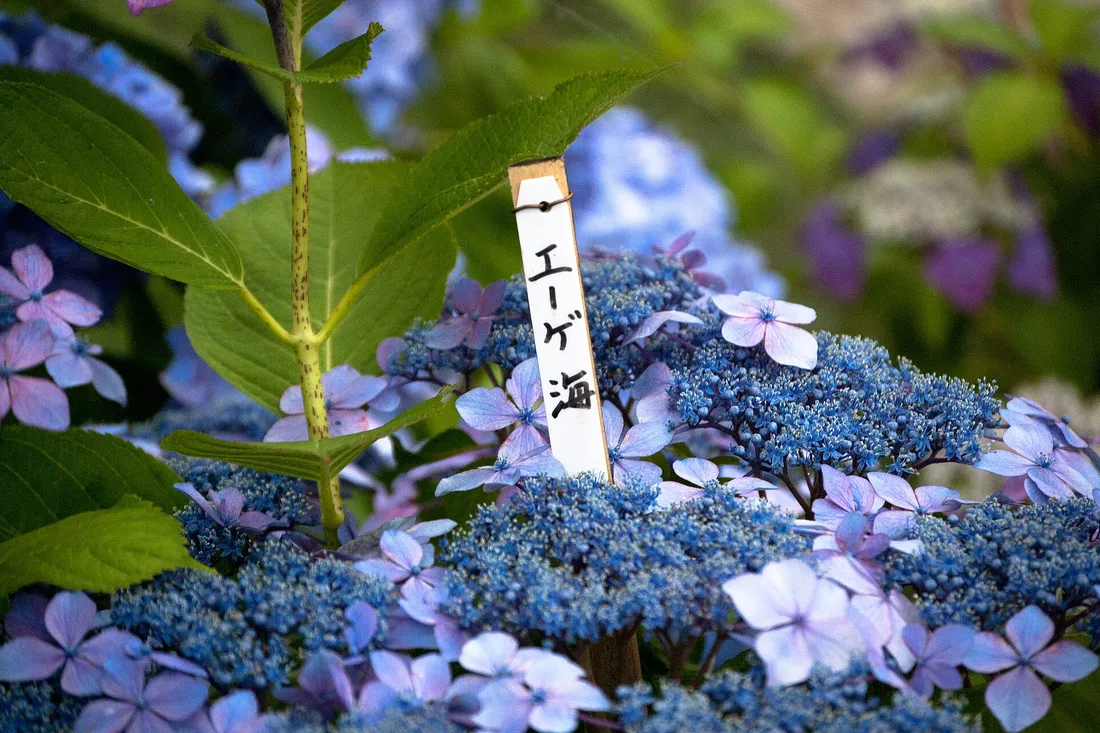
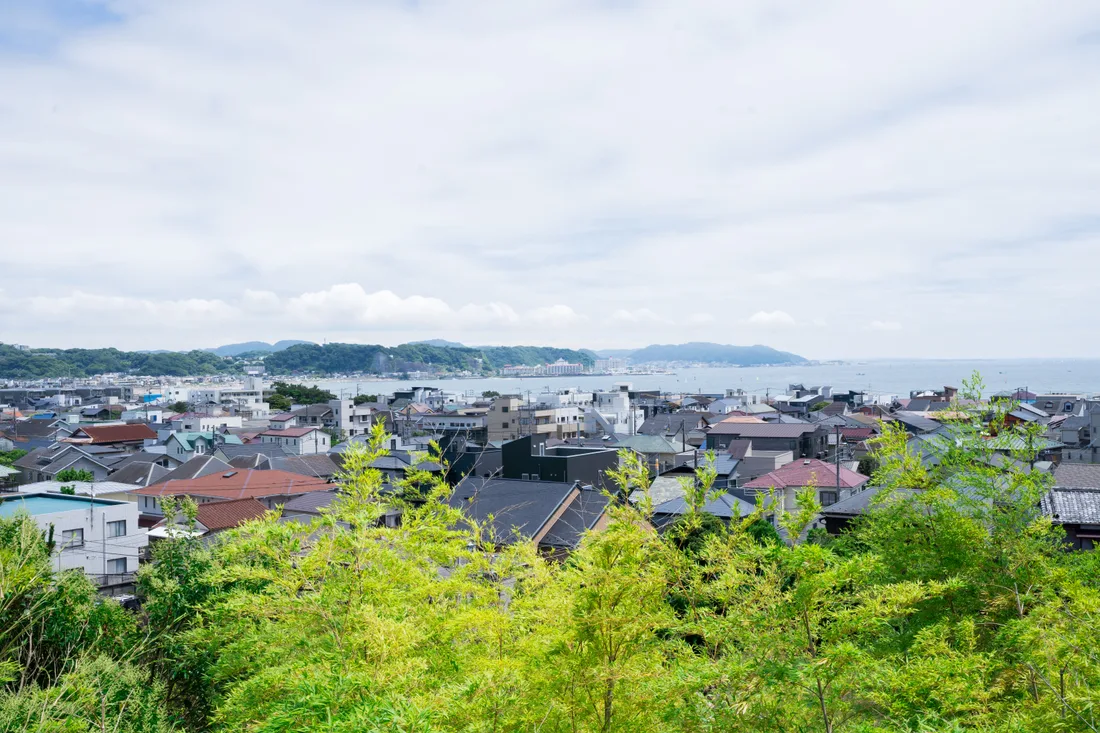
About 2,500 hydrangeas of over 40 kinds cover the hillside behind this Kamakura temple, on a path of some 130 steps with the sea beyond. From late November the maples by the pond turn red and are lit after dark.
RelatedHasedera
- Season
- Hydrangea · 1–25 Jun · peak 12 Jun
- Where
- KanagawaGoogle Maps
- Open
- Admission 8:00–16:30, grounds close 17:00 · Apr–Jun admission 8:00–17:00, grounds close 17:30 · ¥400, primary pupils ¥200Official hours ↗
- Survive
- Heavy. In the peak weeks of 2026 the Hydrangea Path needed a timed Ajisai ticket on top of admission, ¥500 from primary-school age, sold at the path entrance or online; in 2025 the ticketed period ran 6–26 June. About 80 steps lead to the path and there is no ramp. The autumn evening opening runs 21 November – 6 December 2026, from sunset to 19:00, ¥400, and may be extended while the maples last.
- Access
- Enoden line to Hase, then 5 min on foot; or a bus from JR Kamakura Station to Hase Kannon and 5 min on foot.
- Source
- Official siteHydrangea page · checked 2026-10-08
- Photos
-
6 photos · credits
- rinia · CC BY-SA 3.0
- Dick Thomas Johnson · CC BY 2.0
- Fumihiko Ueno · CC BY 3.0
- アルトクール · CC BY-SA 3.0
- Ikusuki · CC BY 2.0
- Dick Thomas Johnson · CC BY 2.0
Background
Tradition dates the temple to 736; its eleven-headed Kannon is a wooden statue 9.18 m tall. It is the fourth temple of the Bando pilgrimage of 33 Kannon temples, and is not to be confused with Hasedera in Nara.