New Year in Japan 正月
New Year is the great holiday of the Japanese year. It begins with temple bells at midnight and hatsumode, the first shrine visit, and it runs on into the second week of January with festivals for luck in trade.
- The day
- Thu 31 Dec – Fri 1 Jan 2027
- The season
- 17 Dec – 24 Jan
- A day off?
- Yes, a public holidayNew Year holidays, 29 Dec – 3 Jan
- On the calendar
- 30 events in 16 prefectures
If you are in Japan
- 29–30 DecThe country goes homeOffices close and families clean the house and travel. Shinkansen out of Tokyo and Osaka are full on these two days, so reserve seats when sales open a month ahead.
- 31 DecOmisoka, the last nightSoba in the evening, then a temple before 23:00 for the 108 bells. Some city rail lines run through the night; the operators announce it in December.Joya no Kane at Chion-in
- 1 JanGanjitsu, the first dayThe first sunrise from a tower or the coast, then the first shrine visit. Most shops and museums are shut; shrines, convenience stores and chain restaurants are open.First Sunrise at Tokyo Skytree
- 2 JanThe palace and the lucky bagsThe Emperor greets the public from the palace balcony, and department stores open with fukubukuro and the first sales of the year.New Year Greeting at the Imperial Palace
- 4–7 JanBack to workOffices reopen around the 4th, and on the 6th Tokyo’s fire brigades hold their New Year review. On the 7th the pine comes down in Tokyo and people eat nanakusa-gayu, rice porridge with seven spring herbs.Tokyo New Year Fire Brigade Review
- 8–15 JanThe luck festivalsToka Ebisu fills the shrines of Kyoto and Osaka with bamboo branches for luck in trade around the 10th, and on the second Monday new adults in long-sleeved kimono visit shrines for Coming of Age Day.Kyoto Toka Ebisu (Hatsu Ebisu)
How Japan celebrates
A quiet family holiday more than a party. People travel home, offices close from about 29 December to 3 January, and many small shops and restaurants shut on 1–3 January, while department stores reopen on 1 or 2 January with fukubukuro, sealed lucky bags.
-
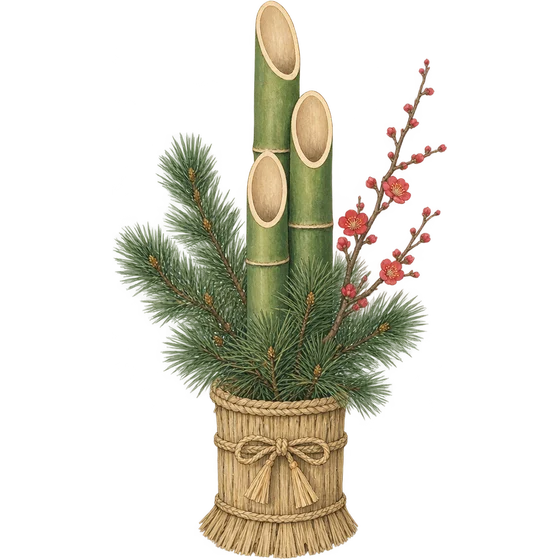 Pine and bamboo at the gateKadomatsu of cut bamboo and pine stand at the doors of homes, shops and offices to welcome the god of the new year. They go up after Christmas, though not on the 29th, whose number sounds like “suffering”, and come down around 7 January, or the 15th in the Kansai region.
-
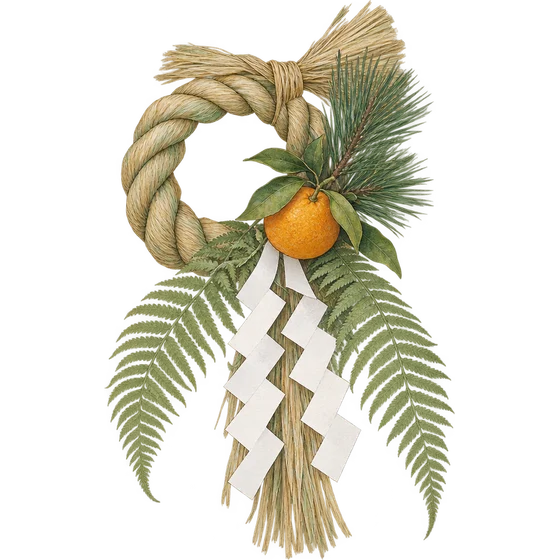 A straw rope on the doorA loop of rice-straw rope with white paper strips marks a house as clean and guarded for the year. Look for them on front doors and shop fronts from late December.
-
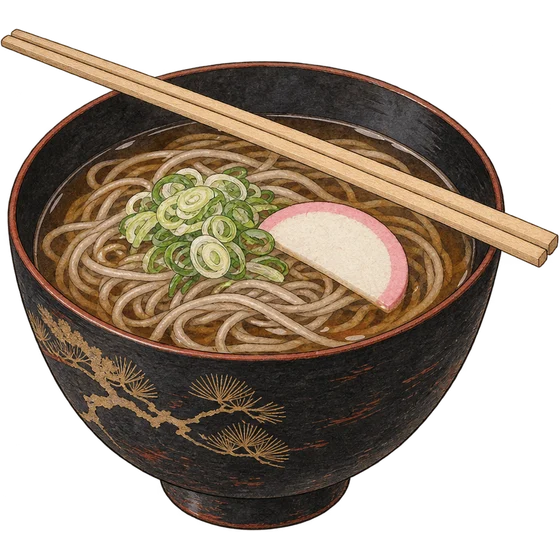 Soba on New Year’s EveOn 31 December families eat toshikoshi soba, “year-crossing soba”. The long, thin noodles wish for a long life, and since buckwheat noodles break easily, they also cut away the troubles of the old year. Soba shops have queues that evening.
-
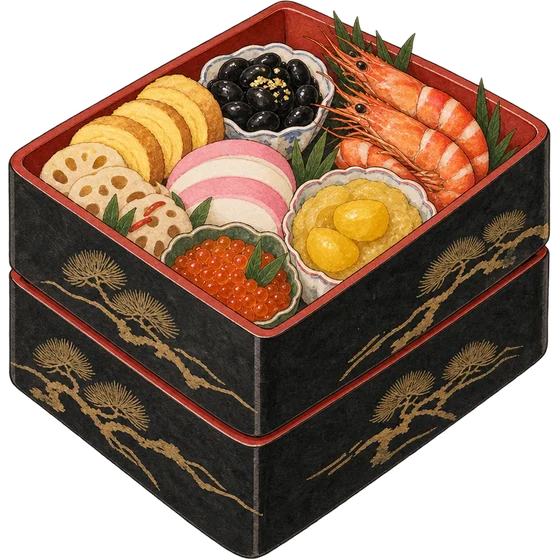 Food in lacquer boxesOsechi, cold dishes packed in lacquered boxes, each carry a wish: black beans to work hard and stay well, herring roe for many children, prawns, bent like old people, for a long life. Cooked ahead, they let the cook rest through the first days.
-
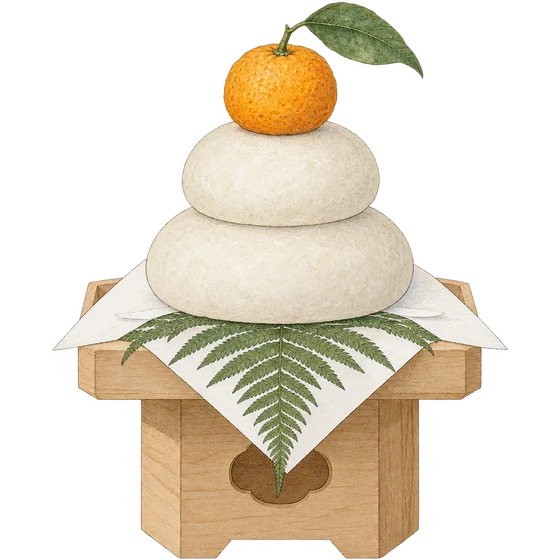 Two rice cakes and an orangeKagami mochi, two stacked rice cakes crowned with a bitter orange, sit in homes and temples as an offering. Around 11 January, in kagami biraki, they are broken with a mallet, never cut with a knife, and eaten.
What to taste
- OzoniThe soup of New Year’s morning, with rice cake in it. Tokyo makes it clear with a grilled square cake, Kyoto with white miso and a round one. Hotels and ryokan often serve it at breakfast on 1–3 January.
- OsechiFamilies order the boxes weeks ahead, so a visitor meets osechi at a hotel or ryokan breakfast, or as single dishes in department store food halls in the last days of December.
- AmazakeA warm, sweet drink of fermented rice with little or no alcohol, ladled out at stalls along the approach to shrines during the first visit.
- Hanabira mochiKyoto’s New Year sweet: a folded white rice cake with sweet white miso and a stick of candied burdock, in wagashi shops in early January.
Good to know
- The first three daysHatsumode crowds peak from the night of 31 December to 3 January. At Meiji Jingu the worst hours are 22:00–03:00 and after 10:00 on 1–3 January.
- Book the bell earlyRinging in the year at Chion-in is by advance booking only; last year the tickets opened online on 1 December. The rehearsal, usually on 27 December, is free to watch.
- Travel around the datesTrains and hotels are full through the New Year holidays, from 29 December to 3 January.
Where to go
Open these in Events, with your datesShowing:
-
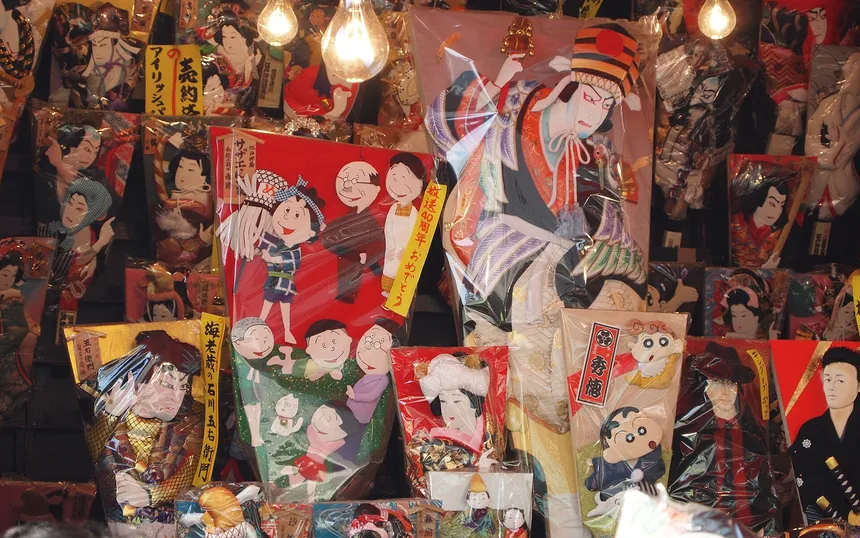 17–19 Dec · free Hagoita-ichi Battledore Fair Senso-ji, Asakusa, Tokyo Stalls of kabuki battledores fill the grounds of Senso-ji before New Year
-
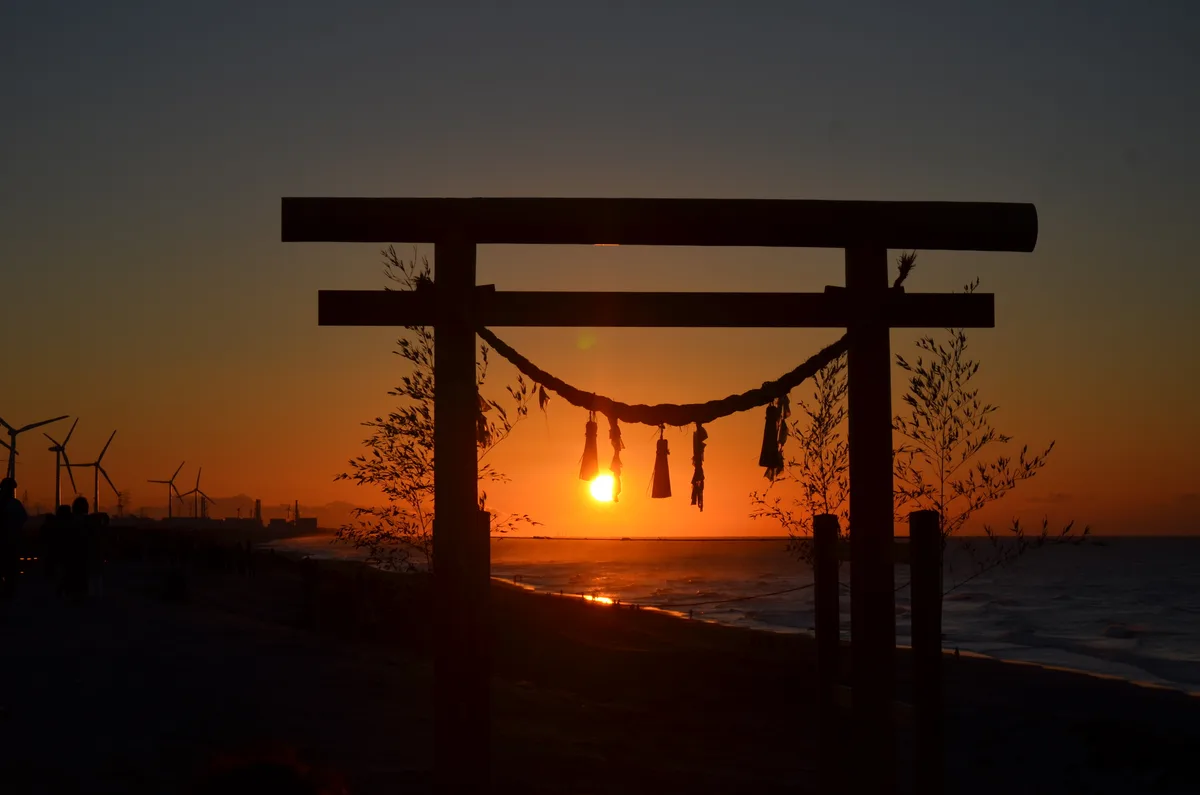 23 Dec – 12 Jan · free Kuniyasu Beach New Year Torii and First Sunrise Kuniyasu Beach, south of Liberty Resort Daito Onsen, Shizuoka A cedar torii raised on the beach for New Year, framing the first sunrise over the sea
-
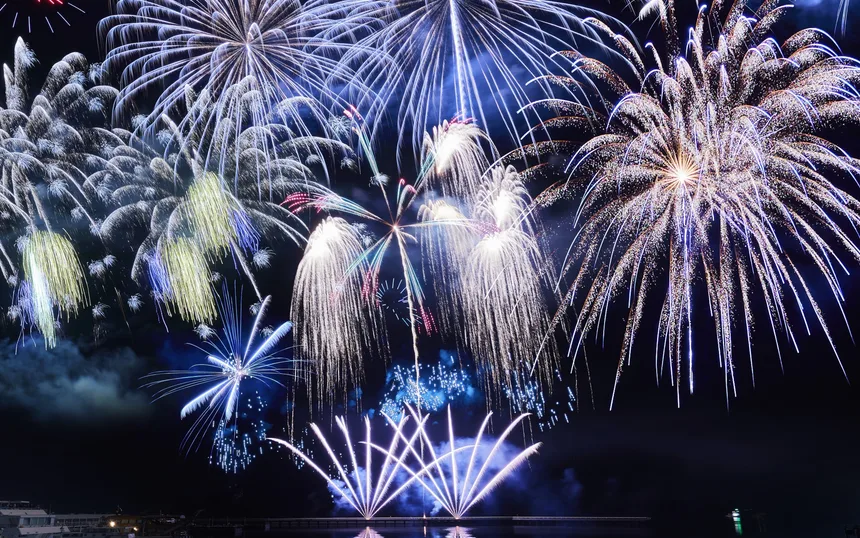 26–31 Dec Huis Ten Bosch Grand Finale Night Huis Ten Bosch, Nagasaki Six nights of live music and fireworks at Huis Ten Bosch, ending at New Year
-
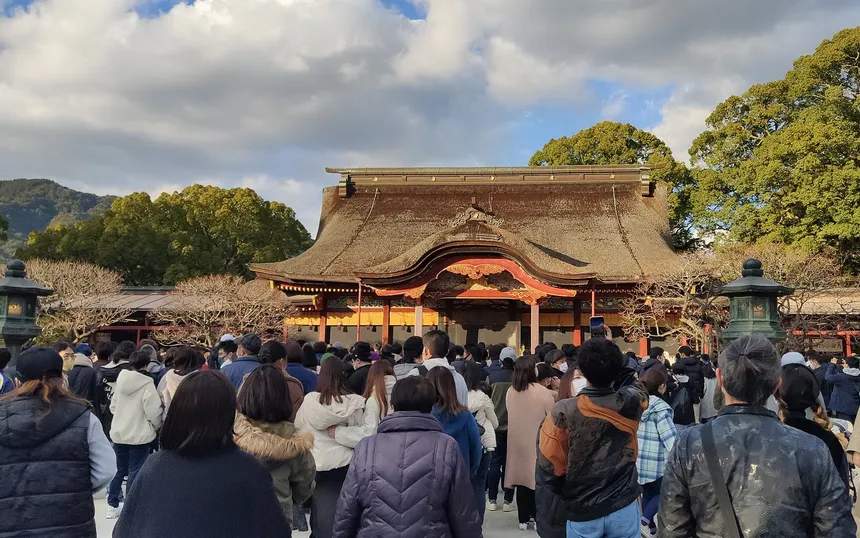 31 Dec – 3 Jan · free Dazaifu Tenmangu Dazaifu Tenmangu, Fukuoka About 2 million New Year visitors at the shrine of the god of learning
-
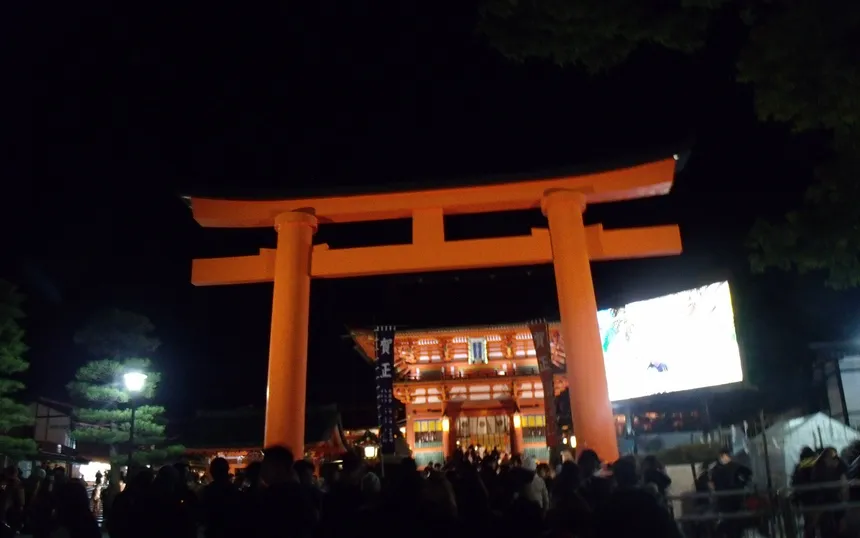 31 Dec – 3 Jan · free Fushimi Inari Fushimi Inari Taisha, Kyoto First prayers of the year at a shrine whose gates never close
-
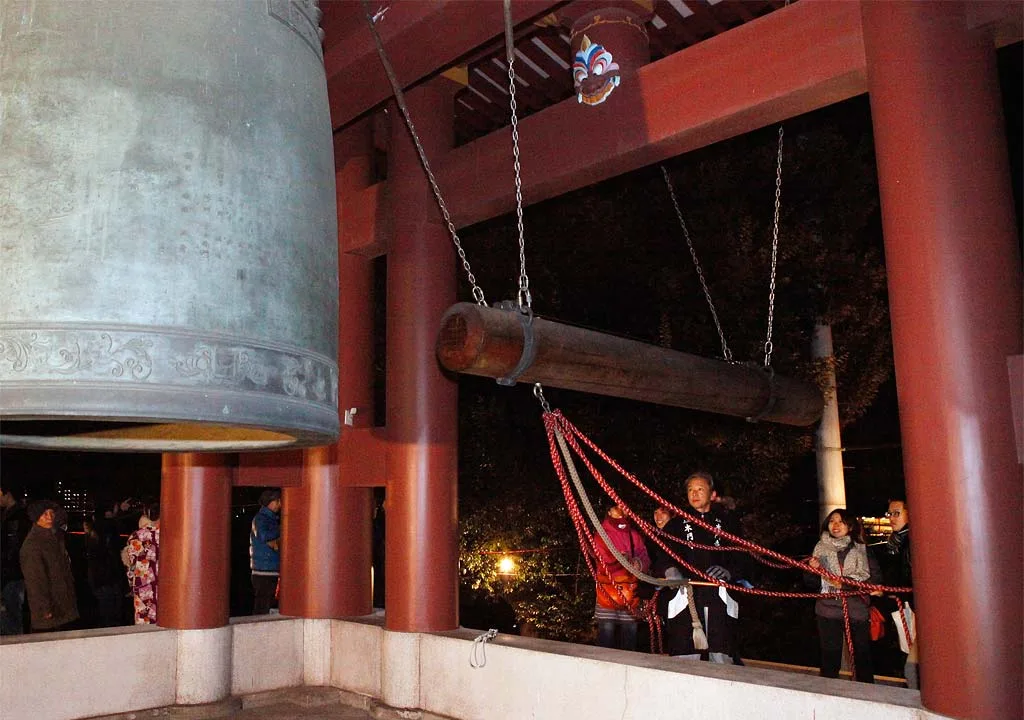 31 Dec – 1 Jan · free Ikegami Honmonji Joya no Kane Ikegami Honmonji, bell tower, Tokyo Ring the great bell of Ikegami Honmonji yourself as the New Year begins
-
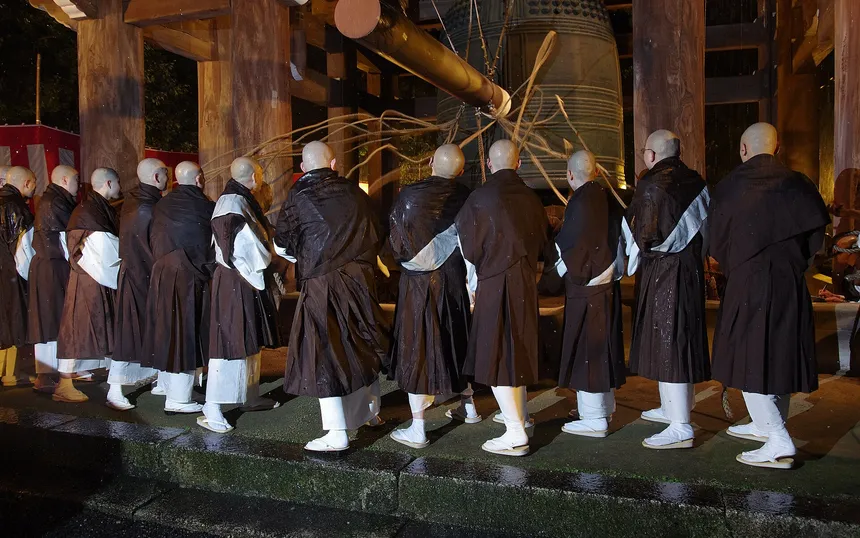 31 Dec – 1 Jan Chion-in Joya no Kane Chion-in, great bell tower, Kyoto Seventeen monks ring the 70-tonne bell of Chion-in 108 times into the New Year
-
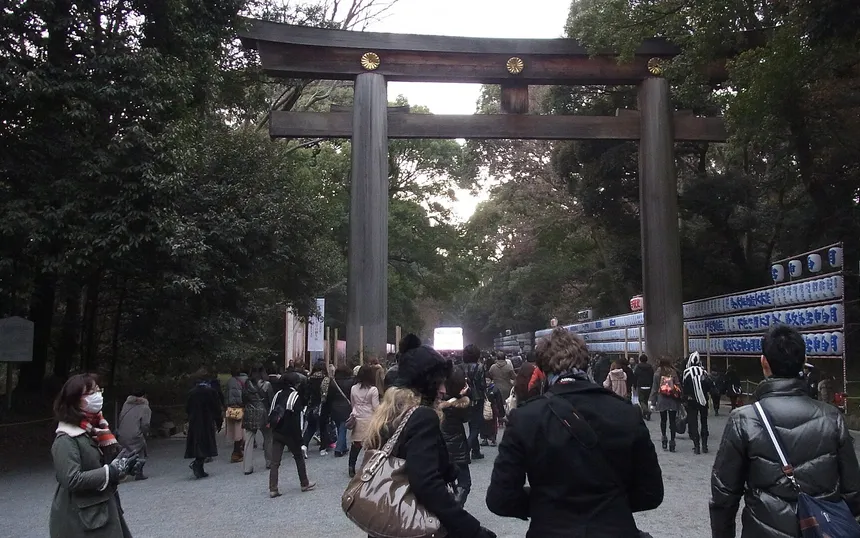 31 Dec – 3 Jan · free Meiji Jingu Meiji Jingu, Tokyo The year’s first prayers; the gates stay open all night on 31 Dec
-
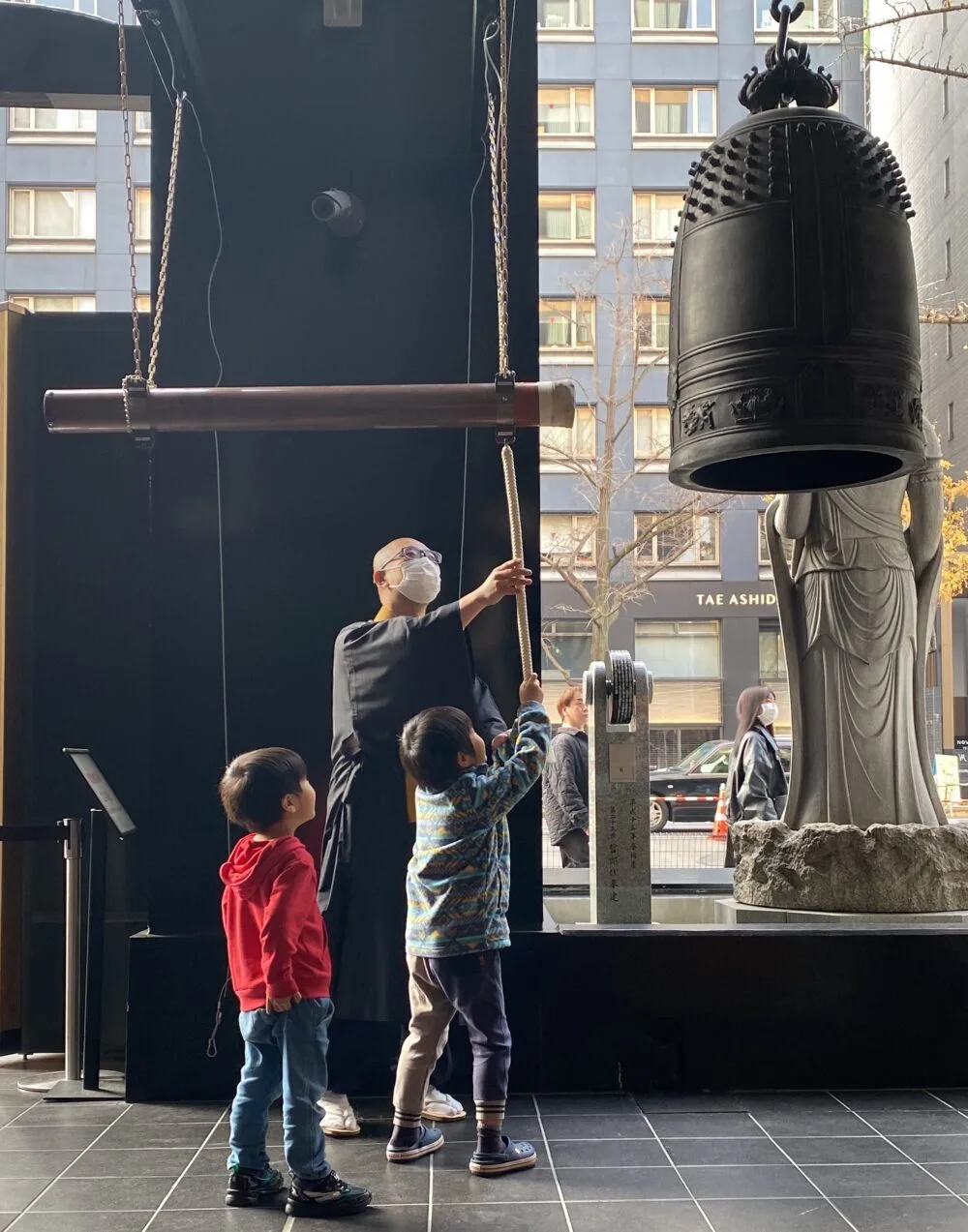 31 Dec · free Mitsutera Afternoon New Year’s Eve Bell Mitsutera, Shinsaibashi, Osaka Ring a temple bell in the middle of Minami on the afternoon of New Year’s Eve
-
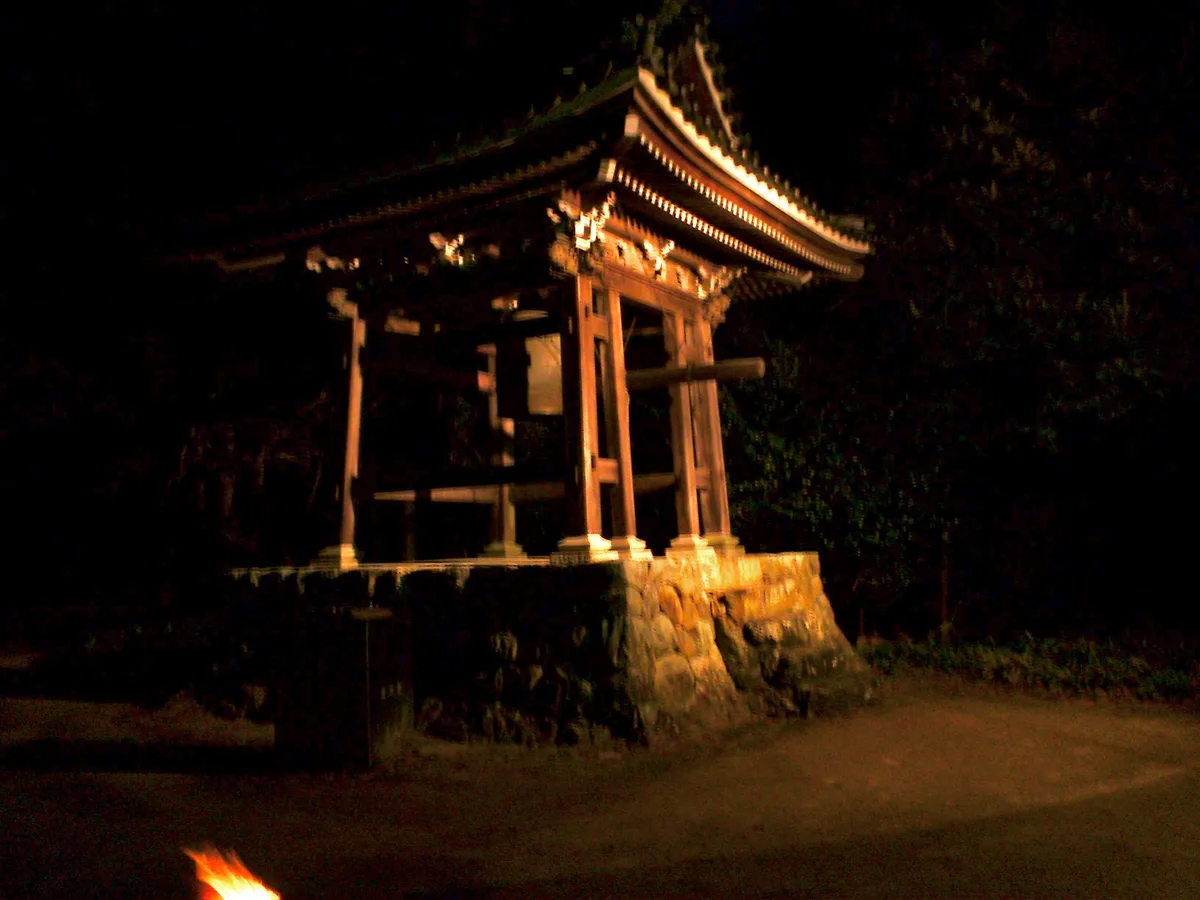 31 Dec – 1 Jan · free Zaikaji Joya no Kane Zaikaji, Kannonyama, Aichi Ring the bell of a hillside temple in Toyokawa, its old Niomon gate lit for the night
-
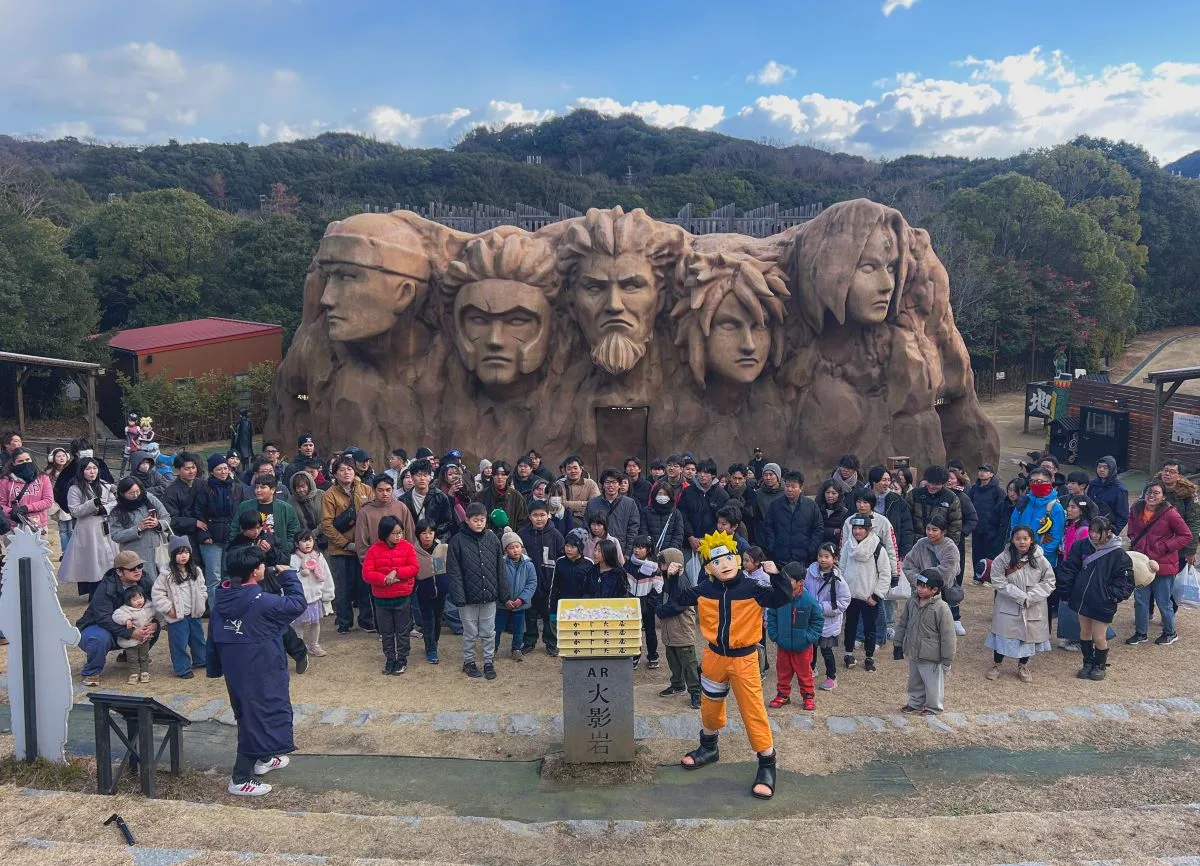 1–3 Jan Naruto’s New Year at Shinobizato, Awaji NARUTO & BORUTO Shinobizato, Nijigen no Mori, Awaji Island Park, Hyogo Naruto greets the New Year by the Hokage Rock, with lucky mochi and a rock-paper-scissors duel
-
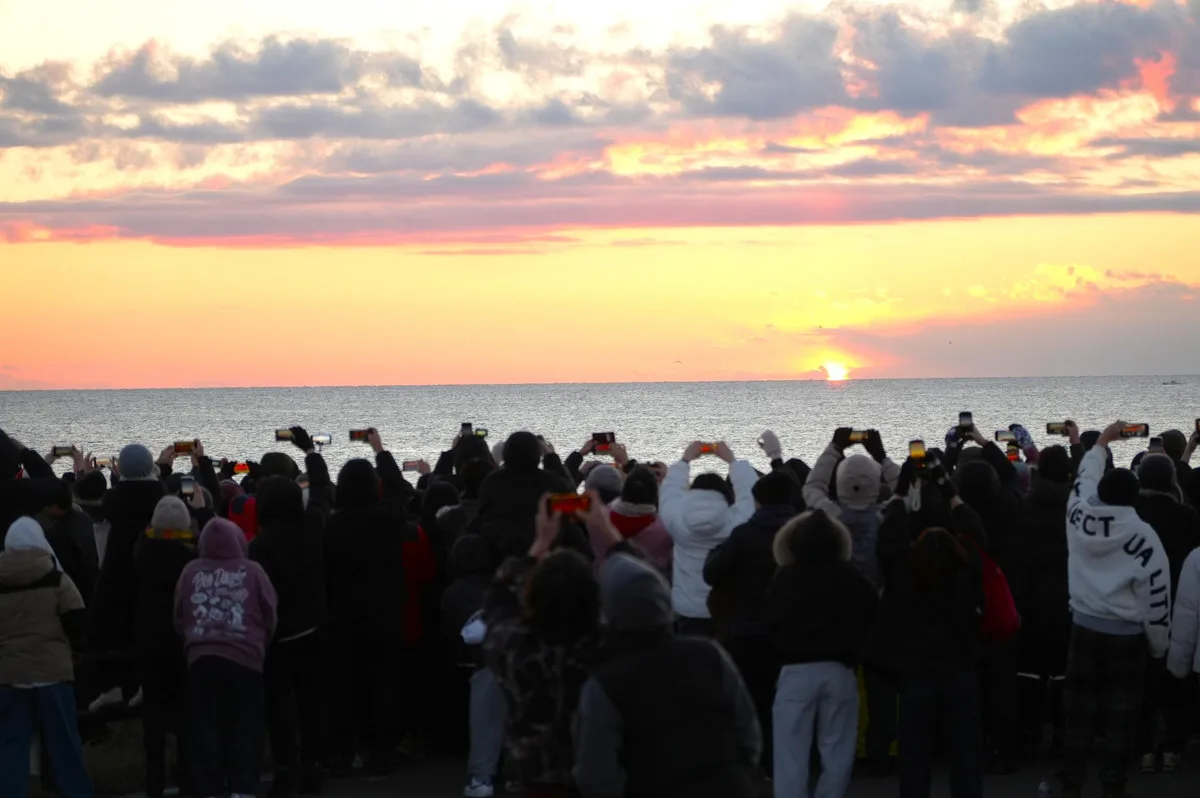 1 Jan · free Cape Nosappu First Sunrise Cape Nosappu, Nemuro, Hokkaido The first sunrise of 2027 over the sea at Cape Nosappu, the easternmost point of Japan’s main islands
-
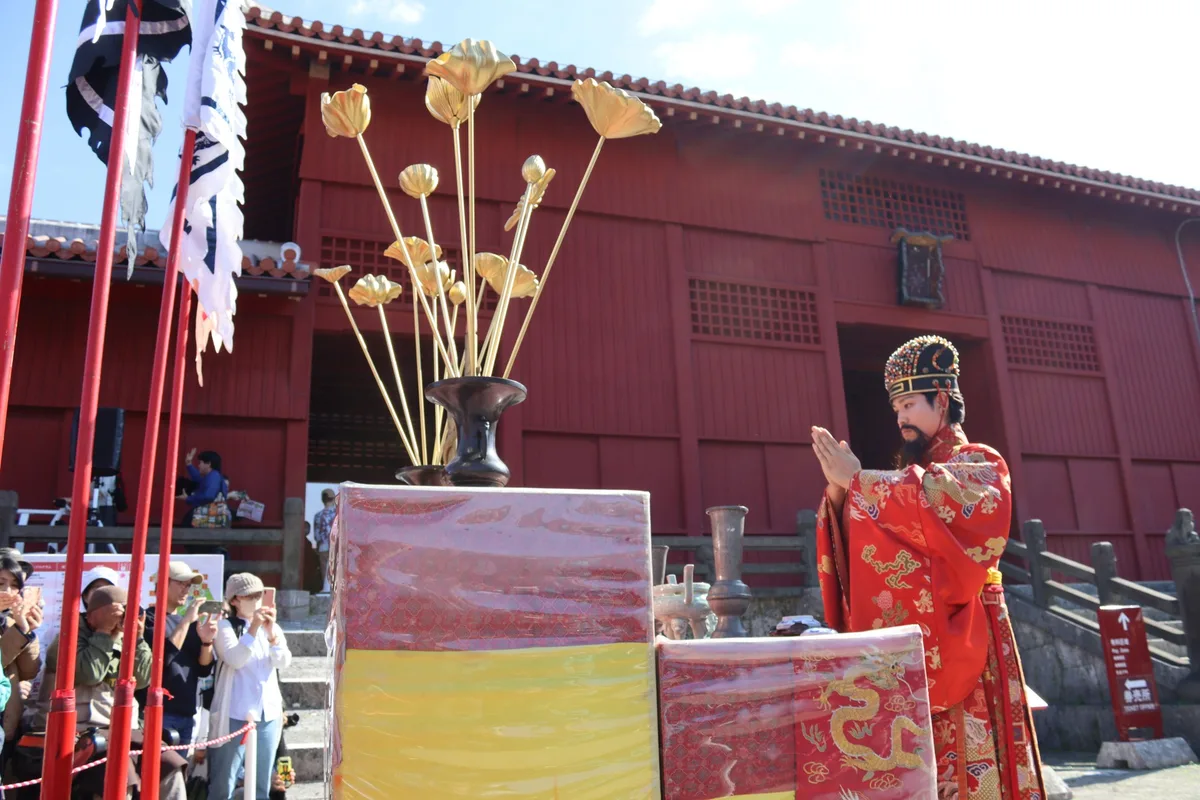 1–3 Jan Shurijo Castle New Year Celebration Shurijo Castle Park, Hōshinmon gate and Shicha-nu-Una courtyard, Okinawa Ryukyu court New Year rites, court music and dance at Shurijo Castle
-
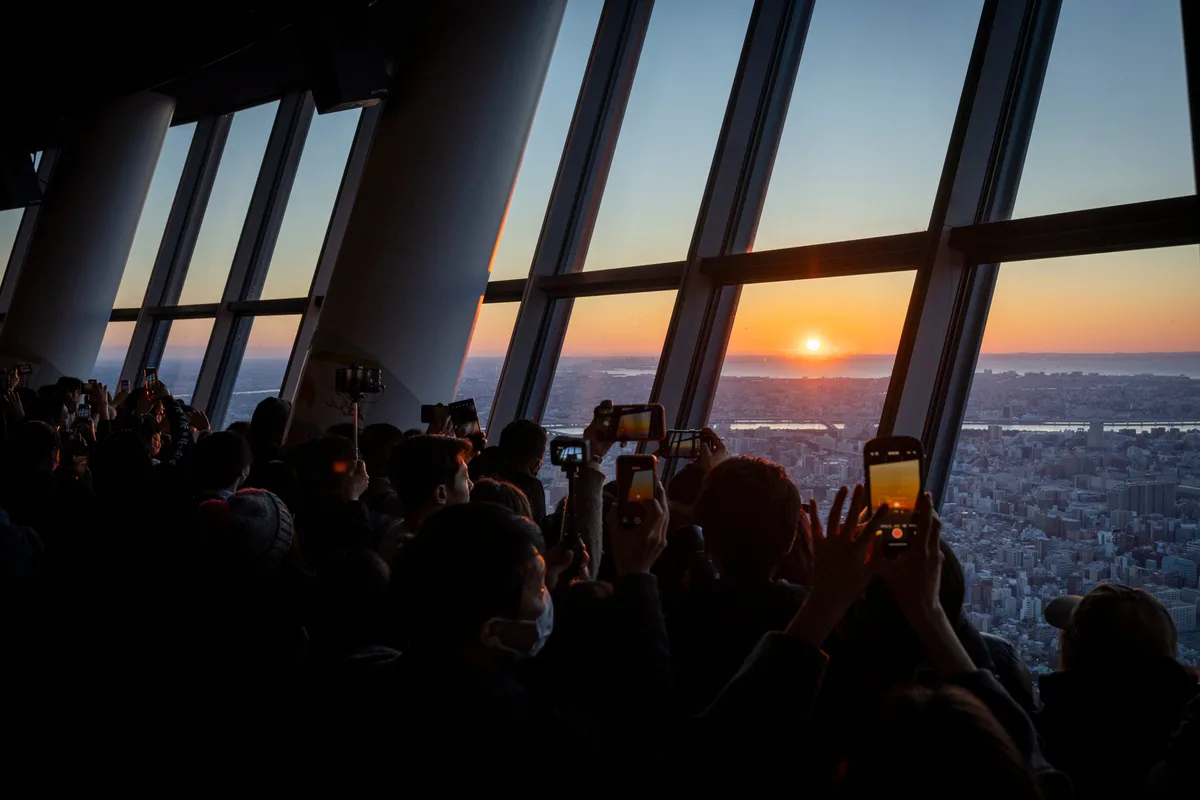 1 Jan First Sunrise at Tokyo Skytree Tokyo Skytree, Tembo Deck and Tembo Galleria, Tokyo Skytree opens before dawn on New Year’s Day for 800 people to see the sunrise
-
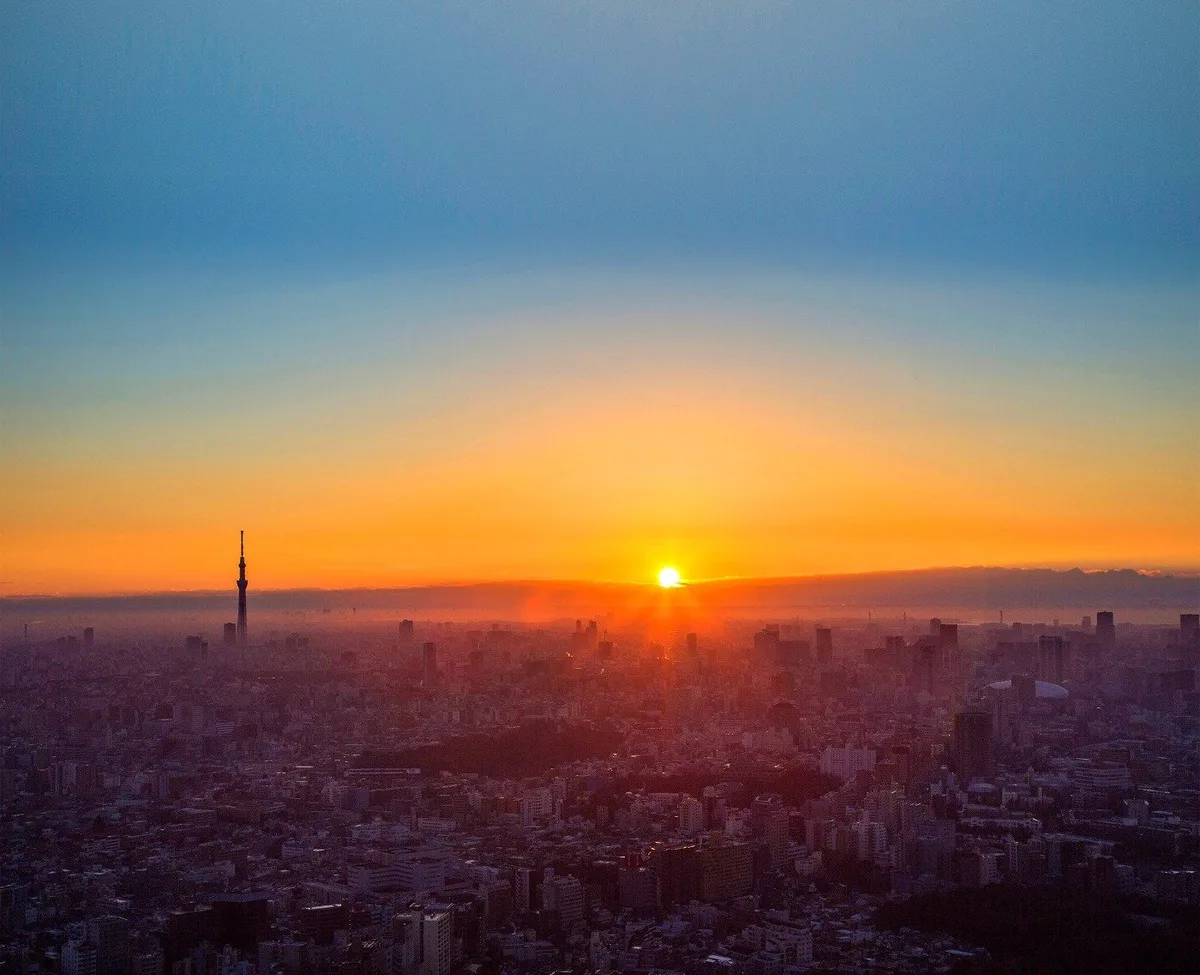 1 Jan Sunshine 60 Observatory First Sunrise Sunshine 60 Observatory Tenbou-Park, Ikebukuro, Tokyo Ikebukuro’s 60th-floor observatory opens at dawn for 212 people to watch the first sunrise of 2027
-
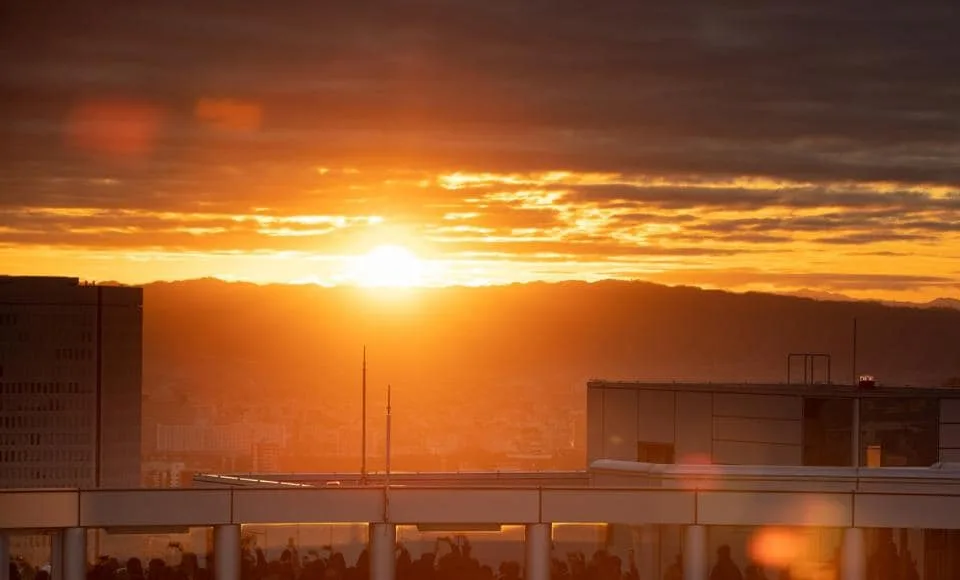 1 Jan Umeda Sky Building First Sunrise Kuchu Teien Observatory, Umeda Sky Building, Osaka Osaka’s Floating Garden Observatory opens at dawn to watch the first sun rise over the Ikoma hills
-
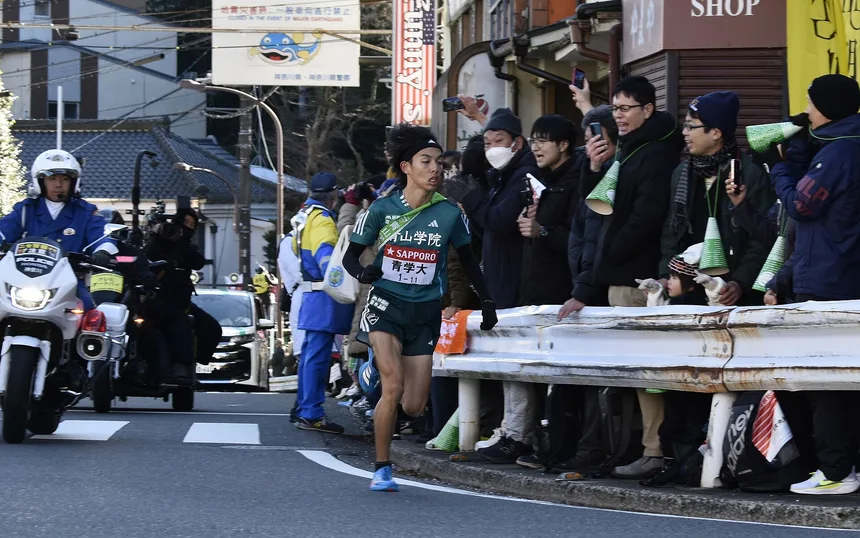 2–3 Jan · free Hakone Ekiden 2027 Route 1 from Odawara to Lake Ashi, Kanagawa The New Year university relay: 21 teams from Tokyo up to Lake Ashi and back
-
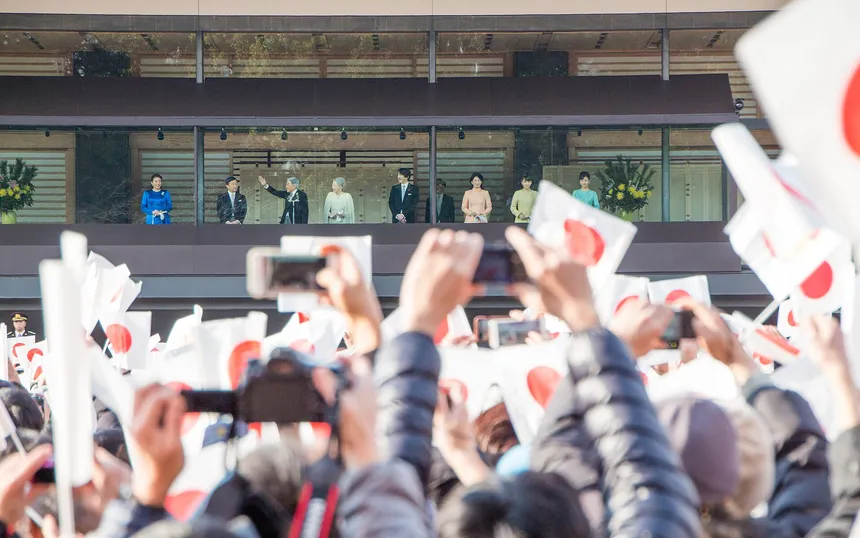 2 Jan · free Imperial New Year Greeting Tokyo Imperial Palace, East Court, Tokyo The Emperor and the imperial family greet New Year crowds from the palace balcony
-
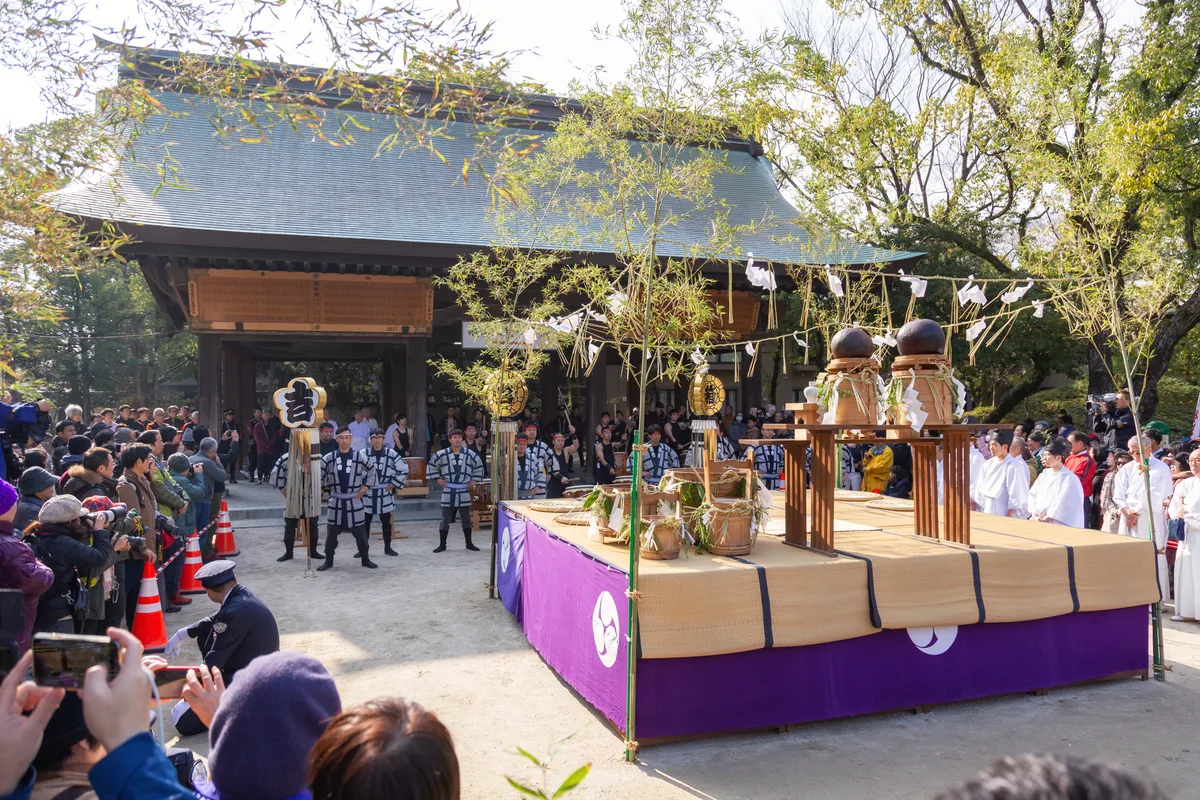 3 Jan · free Tamaseseri at Hakozaki Shrine Hakozaki Shrine, from Tamatori Ebisu Shrine to the tower gate, Fukuoka Men in loincloths fight for a sacred ball under thrown water at Hakozaki Shrine
-
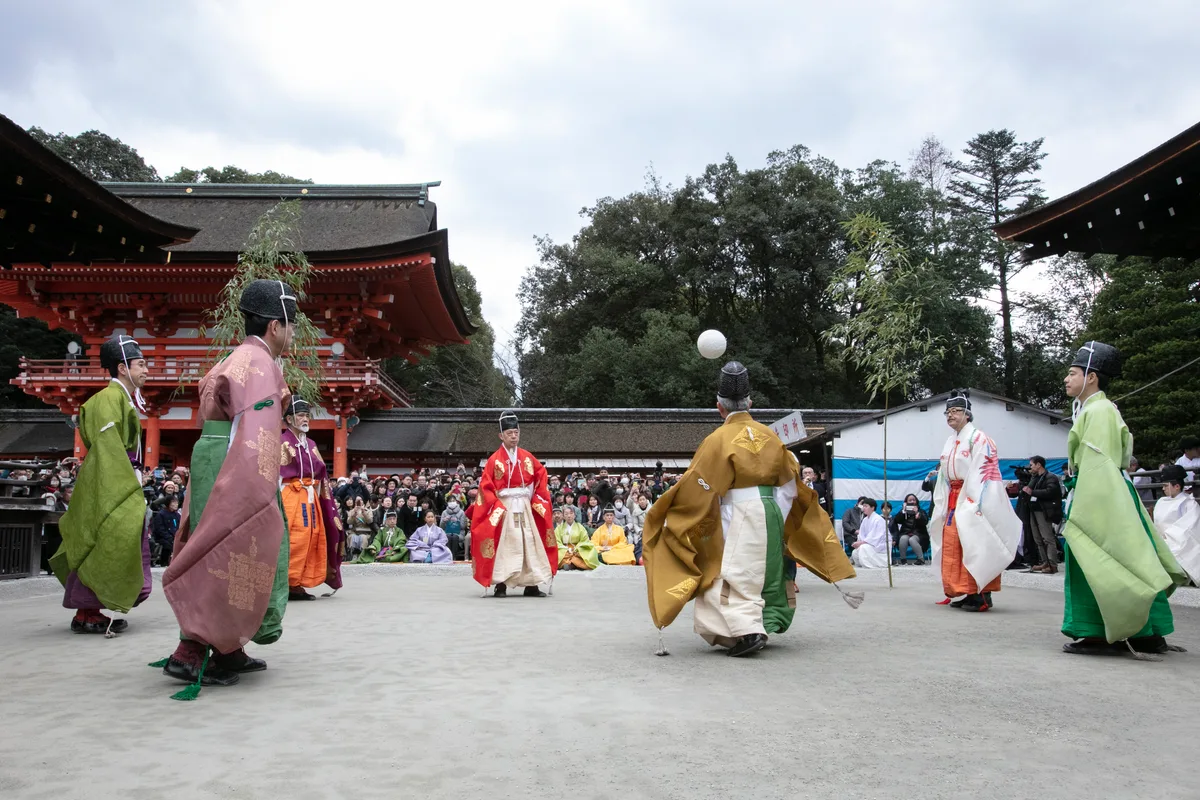 4 Jan · free Kemari Hajime at Shimogamo Shrine Shimogamo Shrine, Kyoto Players in Heian court dress keep a deerskin ball in the air
-
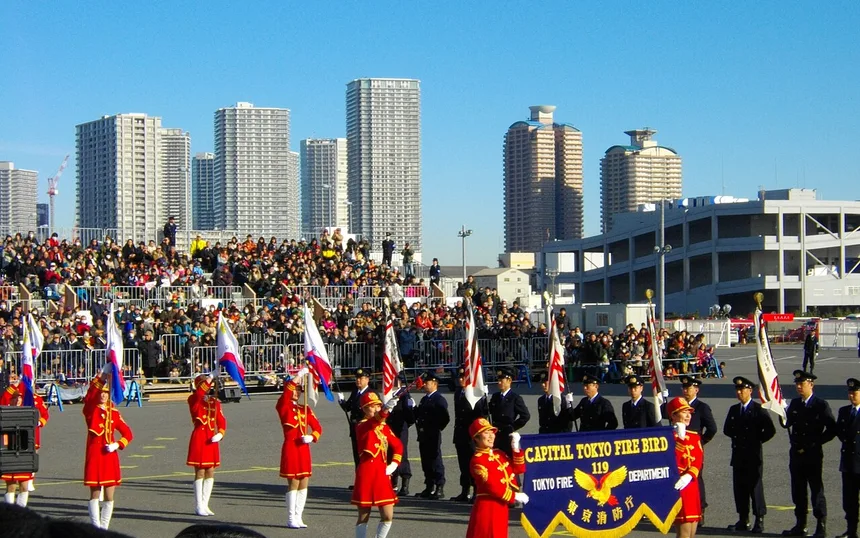 6 Jan · free Tokyo Dezomeshiki 2027, New Year fire brigade review Tokyo Rinkai Disaster Prevention Park and Ariake Garden, Tokyo Tokyo’s fire brigade parades its engines and Edo firemen balance on ladders
-
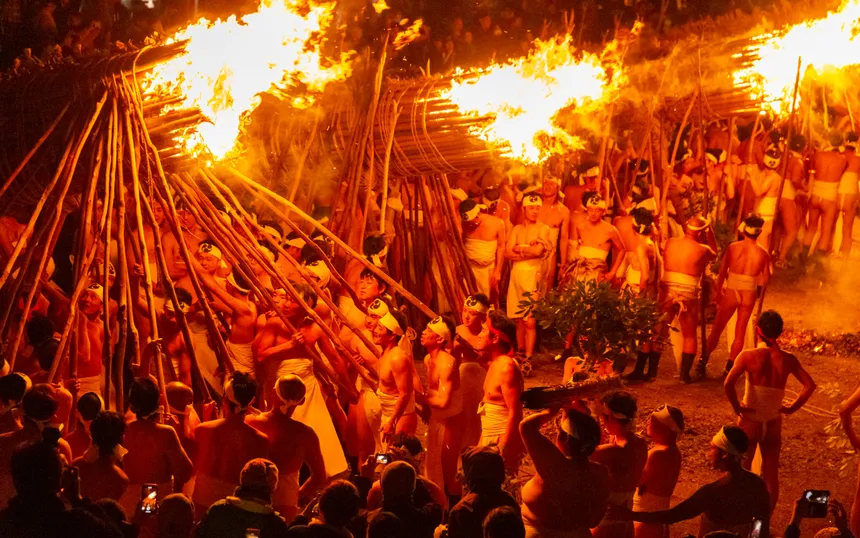 7 Jan · free Oniyo fire festival Daizenji Tamataregu, Kurume, Fukuoka Six giant torches carried round a shrine by hundreds of men on a January night
-
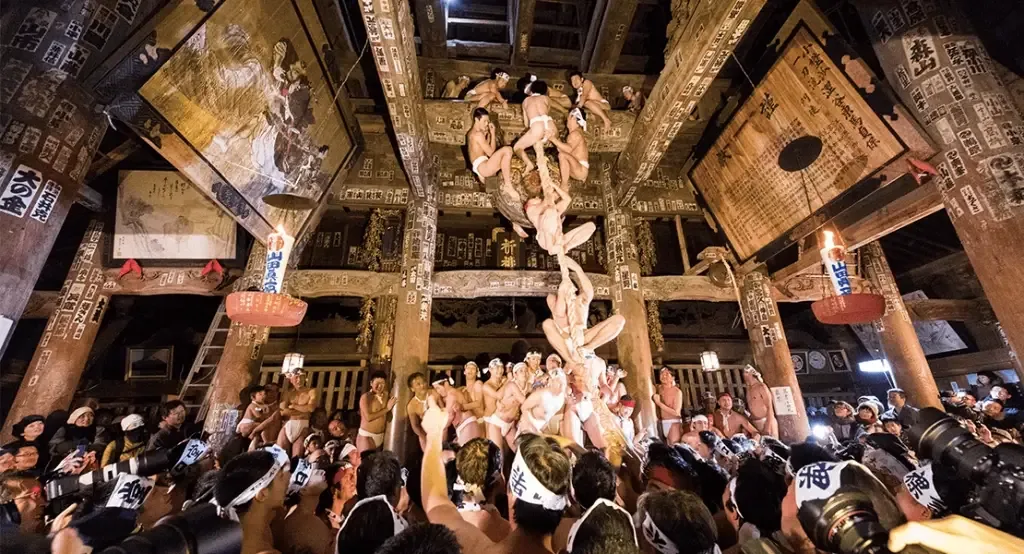 7 Jan · free Yanaizu Nanokado Hadaka Mairi 2027 Enzo-ji temple, main hall, Fukushima Men in loincloths race up to the temple gong on a snowy night
-
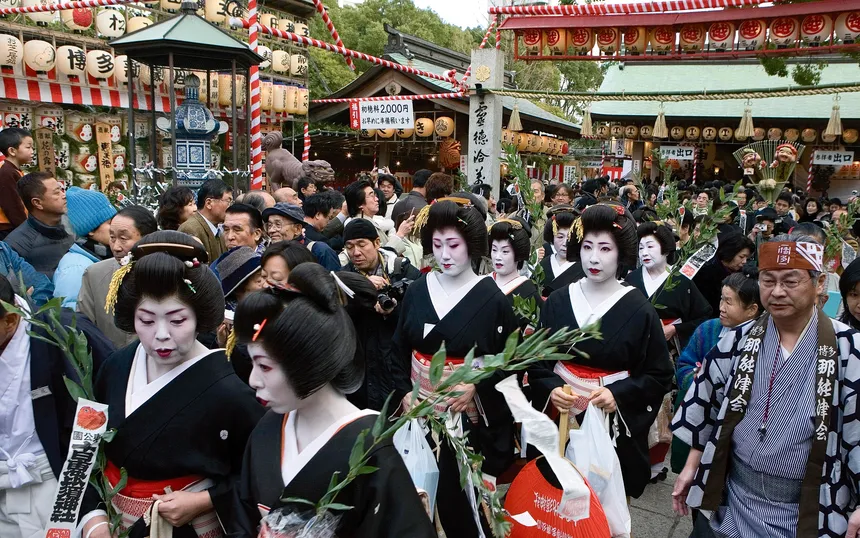 8–11 Jan · free Toka Ebisu Festival, Fukuoka Toka Ebisu Shrine, Higashi Park, Fukuoka Hakata’s New Year festival for the god of trade, with a geisha procession on the 9th
-
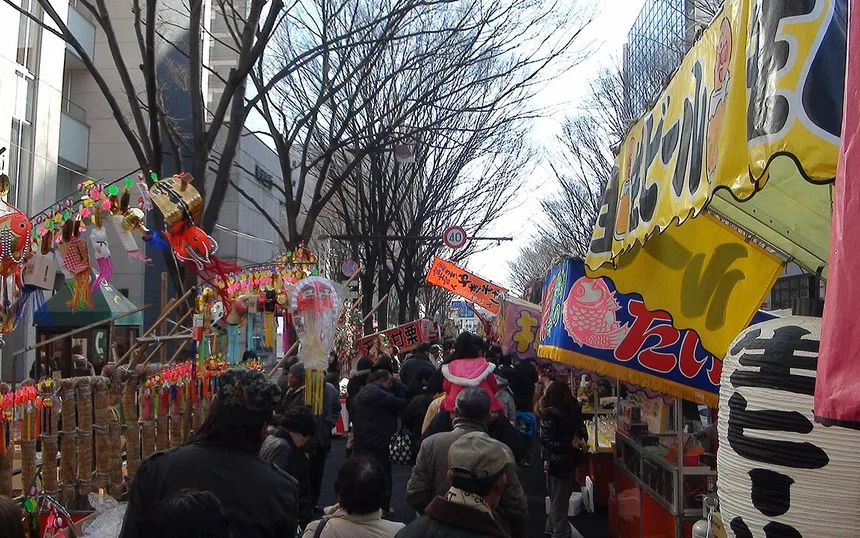 9 Jan · free Maebashi Hatsuichi Daruma Market Honmachi-dōri (Route 50) and Maebashi Hachimangū, Gunma Maebashi’s main street fills with daruma stalls for one day in January
-
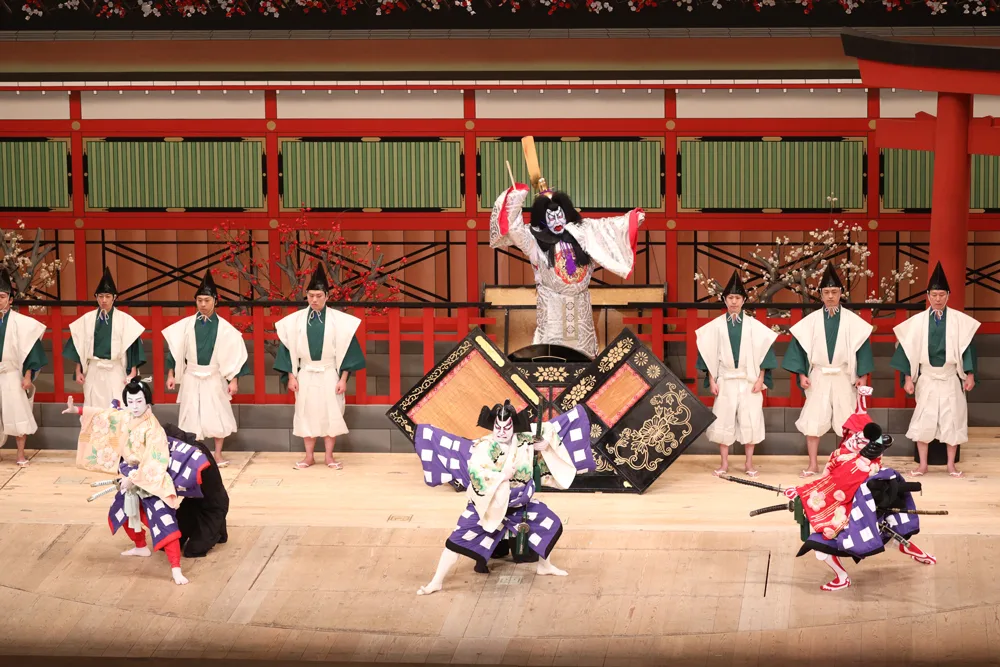 9–24 Jan Osaka New Year Kabuki 2027 Shin Kabukiza, Uehonmachi, Osaka Osaka’s New Year kabuki, two programmes a day
-
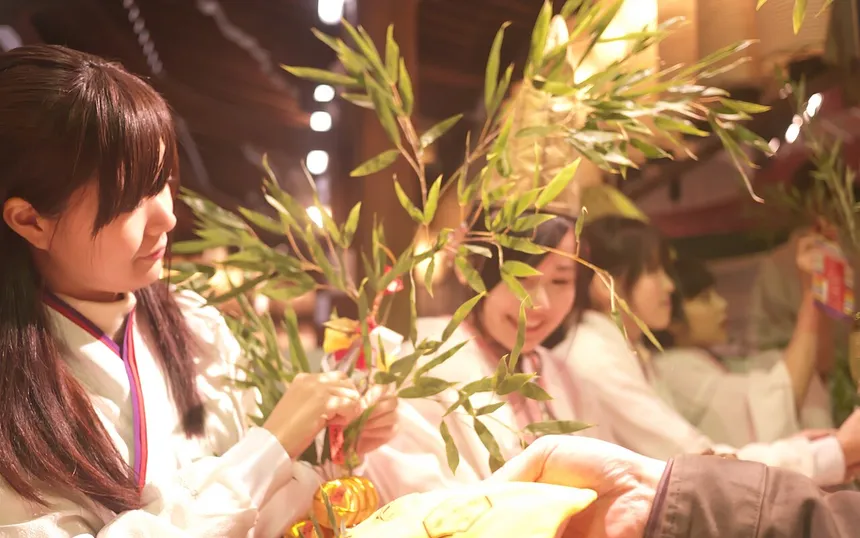 9–11 Jan · free Toka Ebisu Imamiya Ebisu Shrine, Naniwa, Osaka A million people come for a lucky bamboo branch for the year’s trade
-
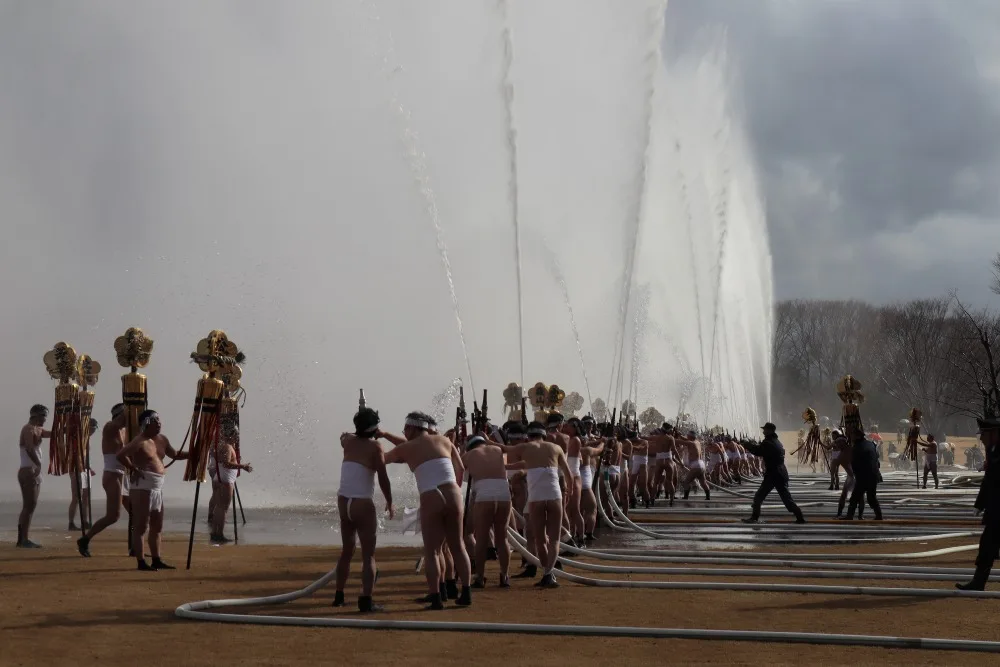 10 Jan · free Kanazawa New Year Fire Brigade Review Shinmaru Hiroba, Kanazawa Castle Park, Ishikawa Kanazawa firemen climb 40 ladders at once and spray water over the castle park
-
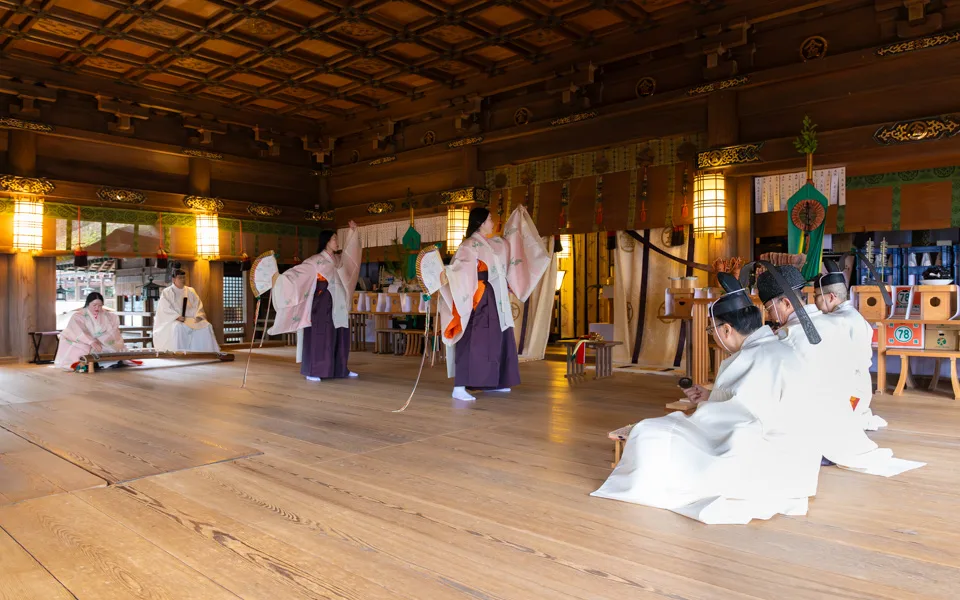 10 Jan · free Hatsu Konpira at Kotohira-gu Kotohira-gū, main shrine, Kagawa Konpira’s first festival day of the year at the top of the long stairway
-
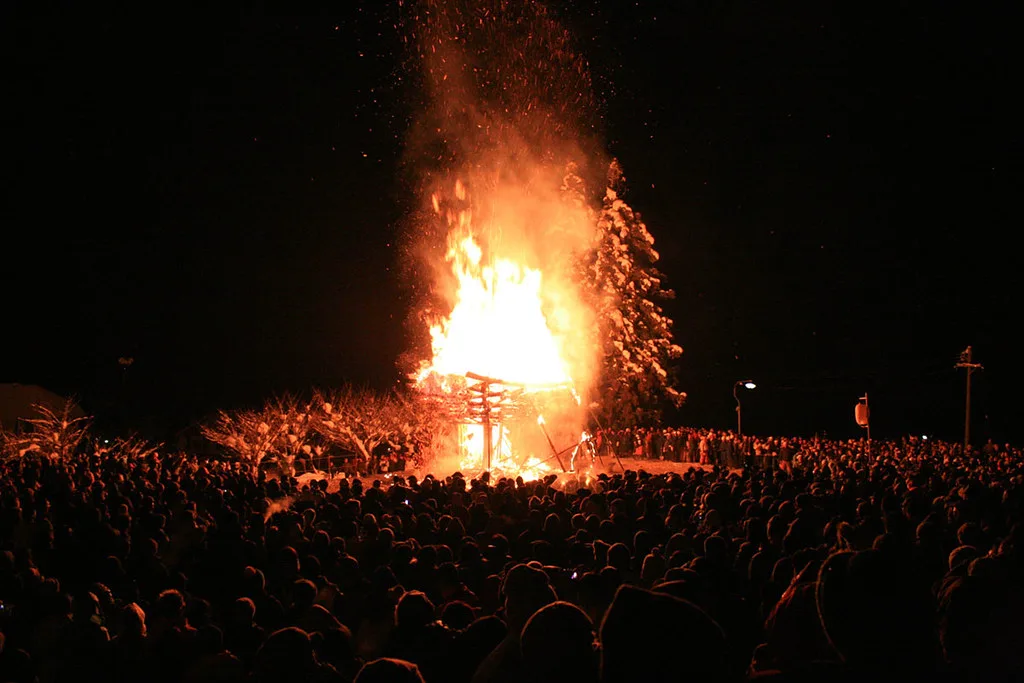 15 Jan Nozawa Dosojin Fire Festival Dosojin fire festival ground, Nozawa Onsen, Nagano Villagers storm a wooden shrine with torches until it burns, Nozawa Onsen
If you are not travelling
- Count with JapanMidnight in Japan is 15:00 GMT on 31 December. NHK broadcasts the temple bells live in the last minutes of the year.
- Long noodles on the 31stBuckwheat noodles in hot broth, eaten before midnight and finished before the year turns. Leaving them over is said to leave the old year’s troubles with you.
- Notice the firstsJapan counts the first of everything: hatsuhinode, the first sunrise; hatsuyume, the first dream, luckiest with Mount Fuji, a hawk or an aubergine in it; kakizome, the first writing with a brush, on 2 January.
Other holidays
ChristmasFri 25 DecSetsubunWed 3 FebHinamatsuriWed 3 MarGolden WeekWed 5 MayTanabataWed 7 JulObonFri 13 AugHalloweenSun 31 OctShichi-Go-SanMon 15 Nov