22–24 Jul · Matsuri
Aizu Tajima Gion Festival会津田島祇園祭
Tade-Uga Shrine and the streets of Tajima, FukushimaMinamiaizu · 85 km from Fukushima
 In season on these datesLotus蓮Where and when to see it · 14 places →
More like this
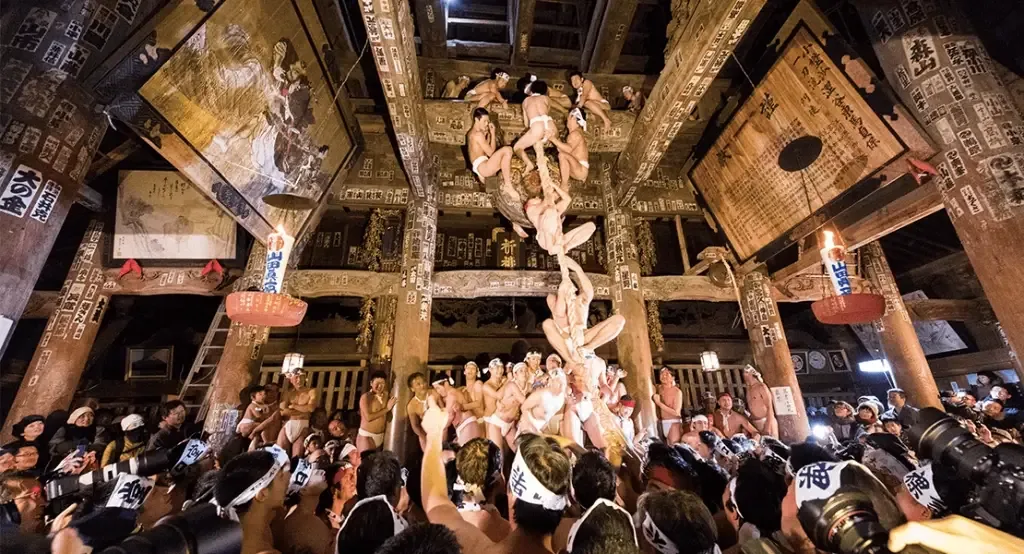 7 JanYanaizu Nanokado Hadaka MairiYanaizu, Fukushima · 37 km away
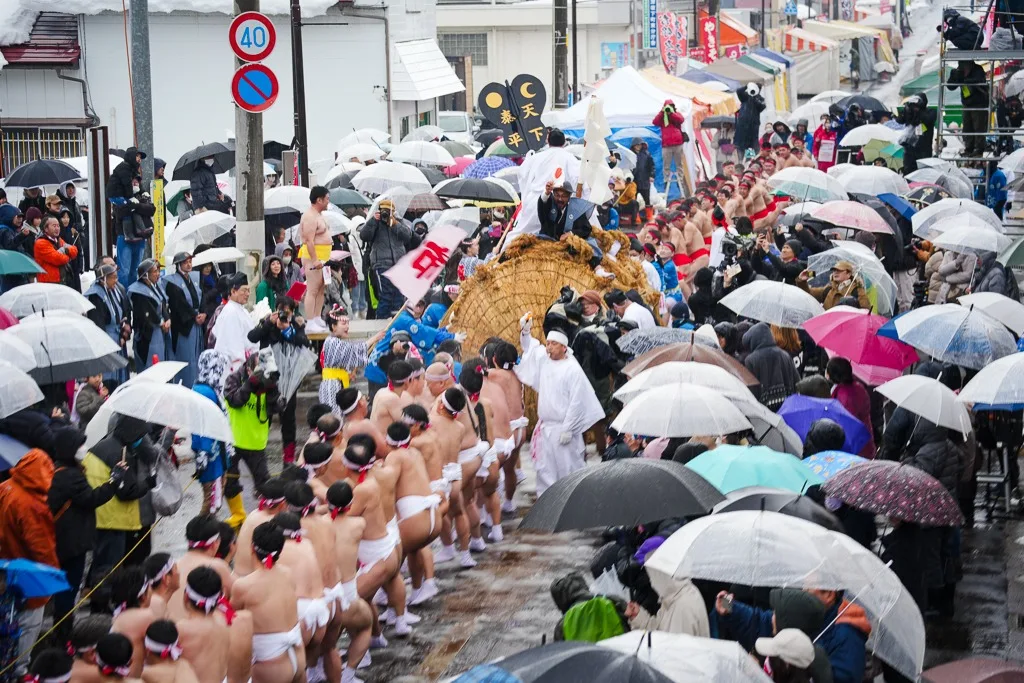 14 JanAizu-Bange Giant Rice Bale Tug of WarAizubange, Fukushima · 40 km away
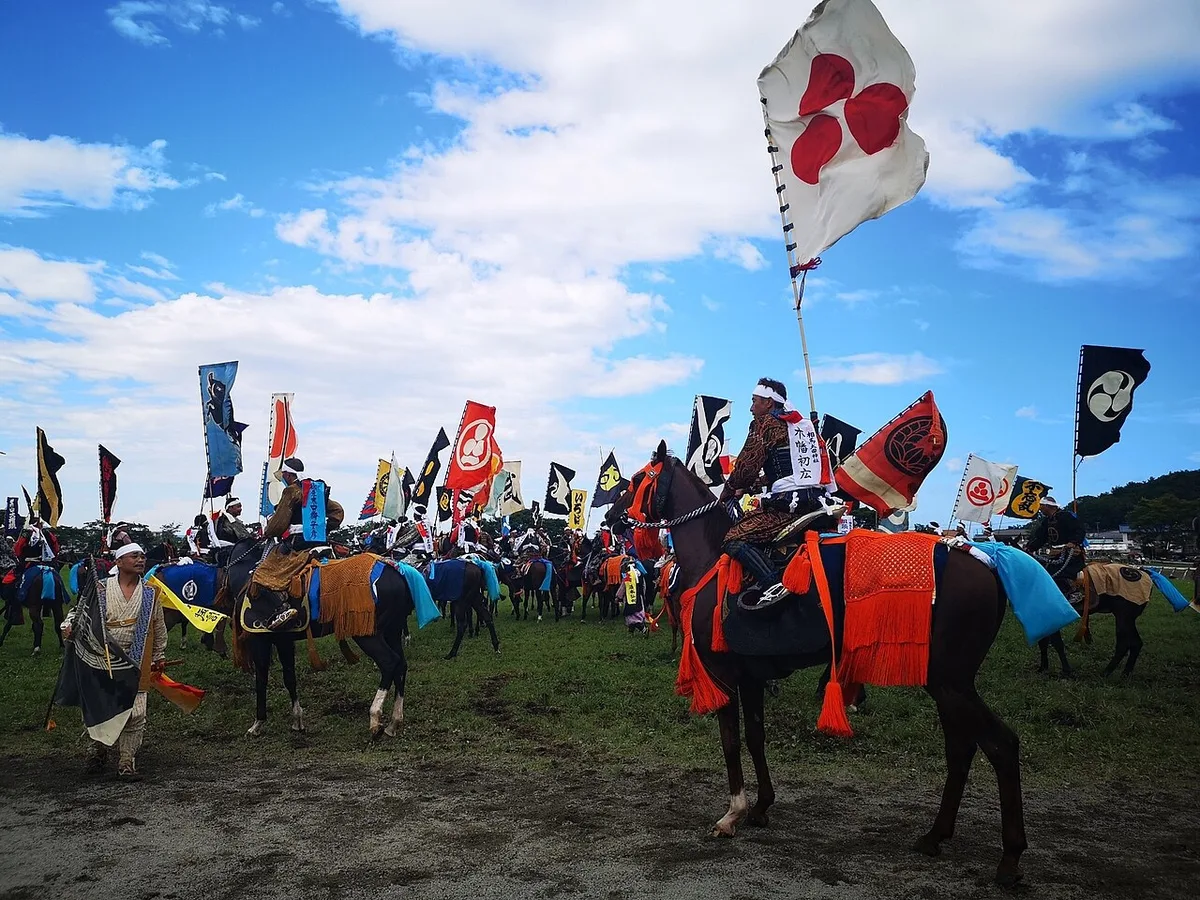 29–31 MaySoma NomaoiMinamisoma, Fukushima · 114 km away
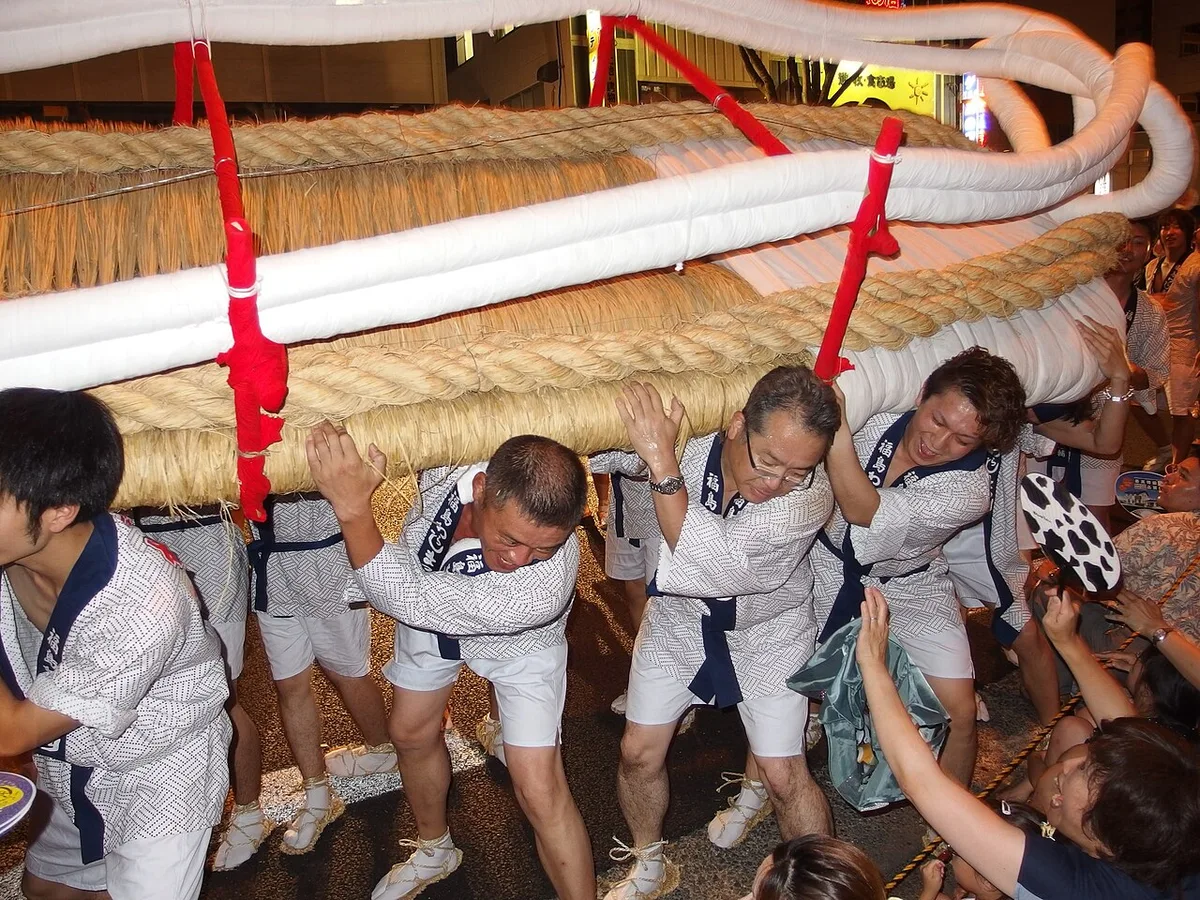 6–8 AugFukushima Waraji FestivalFukushima · 86 km away
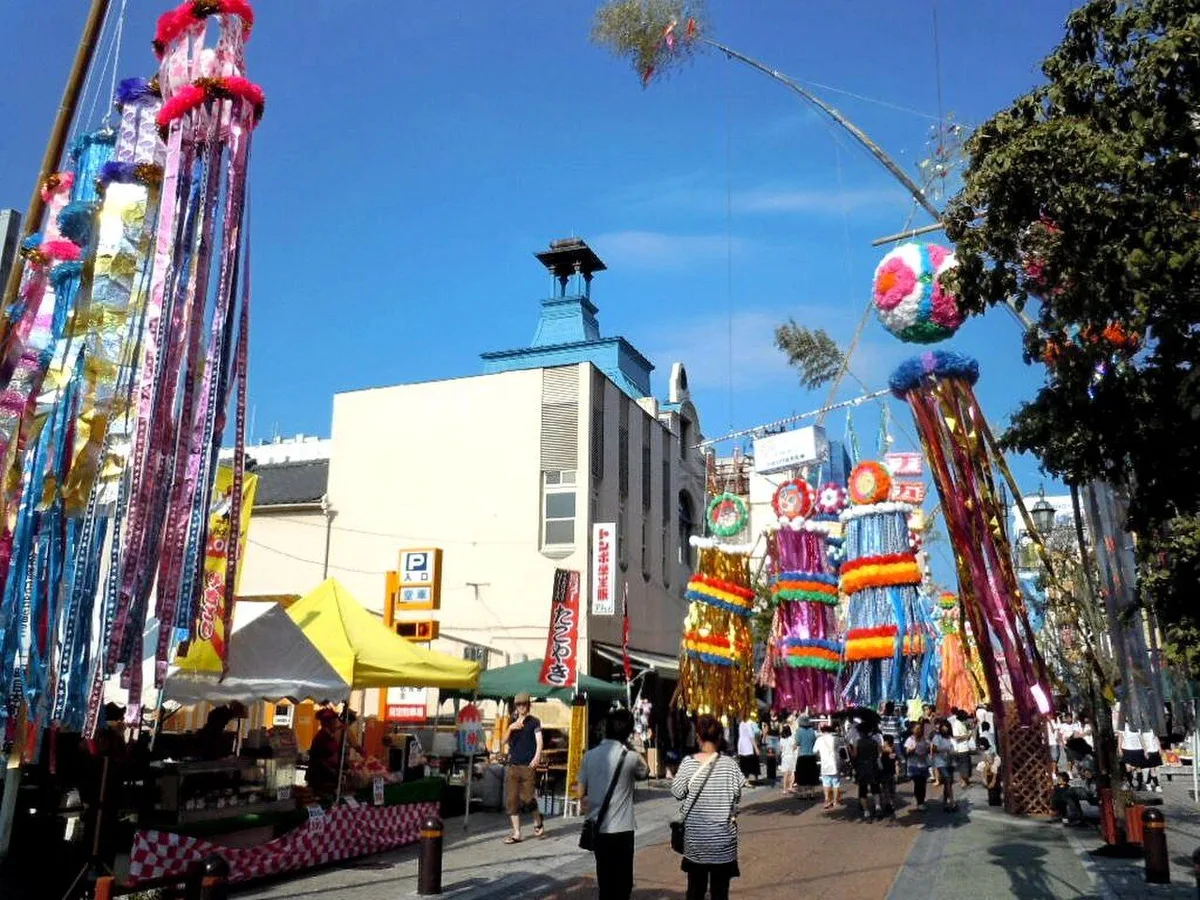 6–8 AugIwaki Tanabata FestivalIwaki, Fukushima · 100 km away
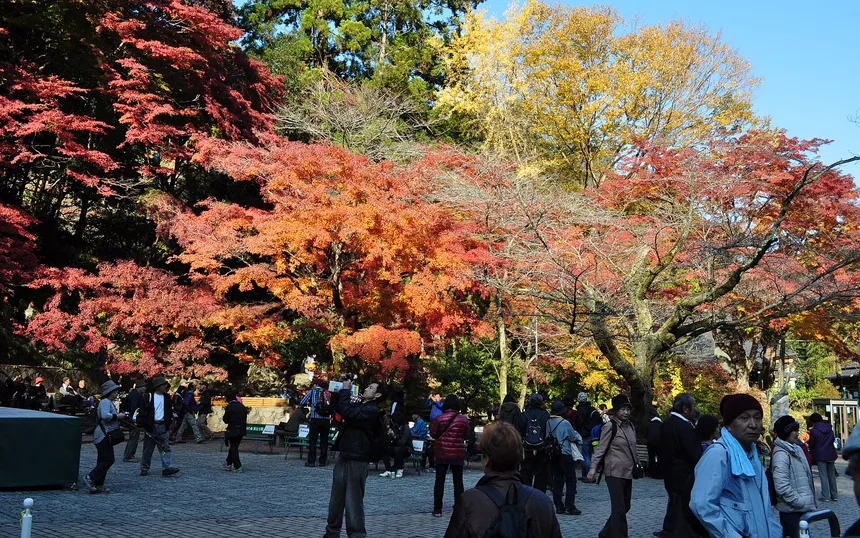 24 Oct – 13 DecMount Takao Momiji FestivalHachioji, Tokyo · 181 km away
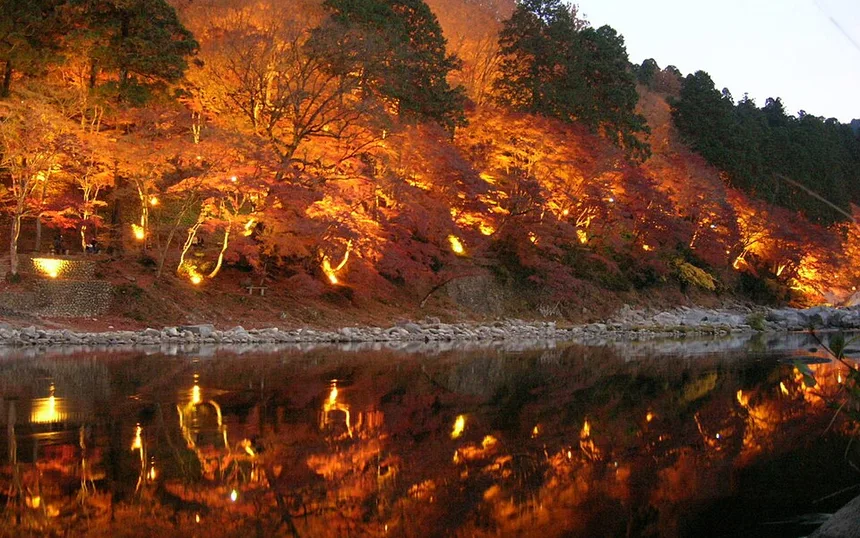 1–30 NovKorankei Momiji FestivalToyota, Aichi · 319 km away
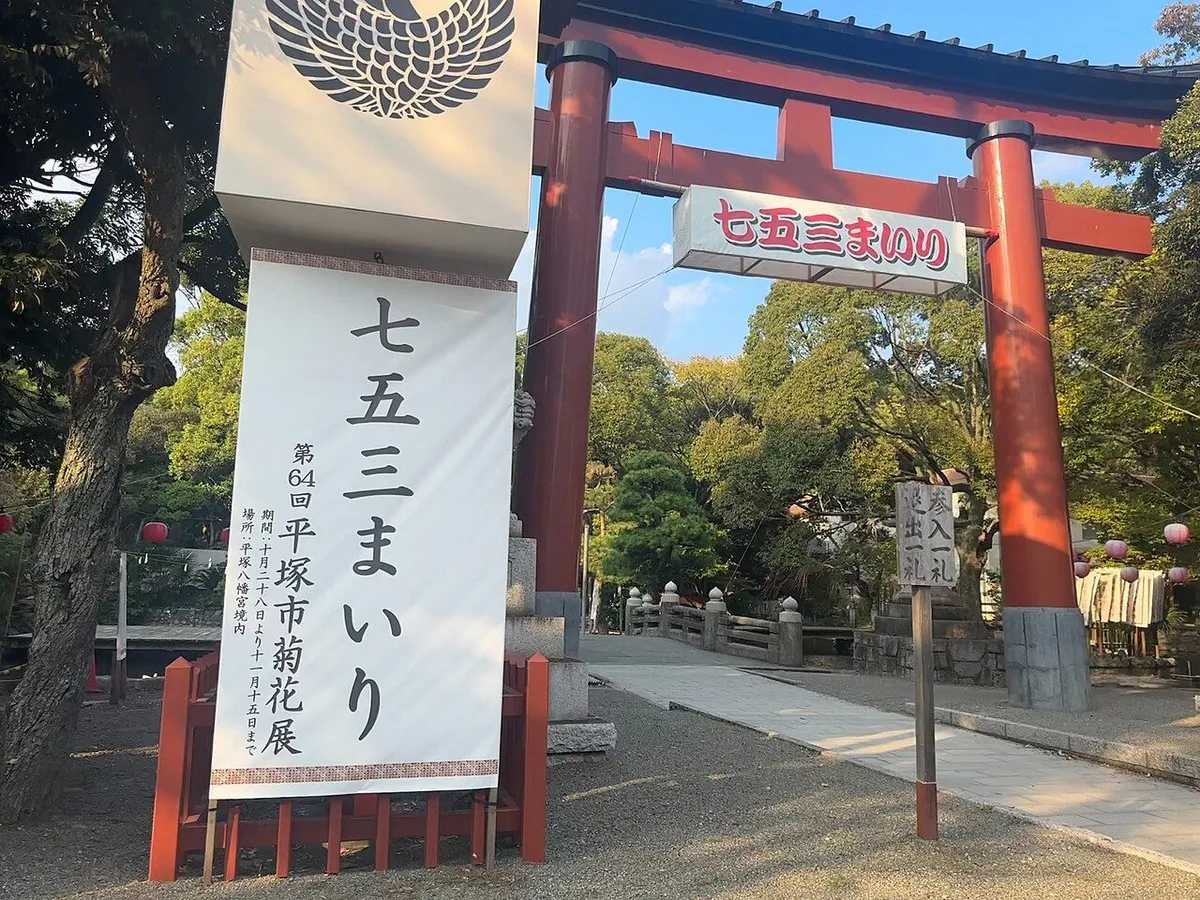 6–30 NovShichi-Go-San at Hiratsuka HachimanguHiratsuka, Kanagawa · 212 km away
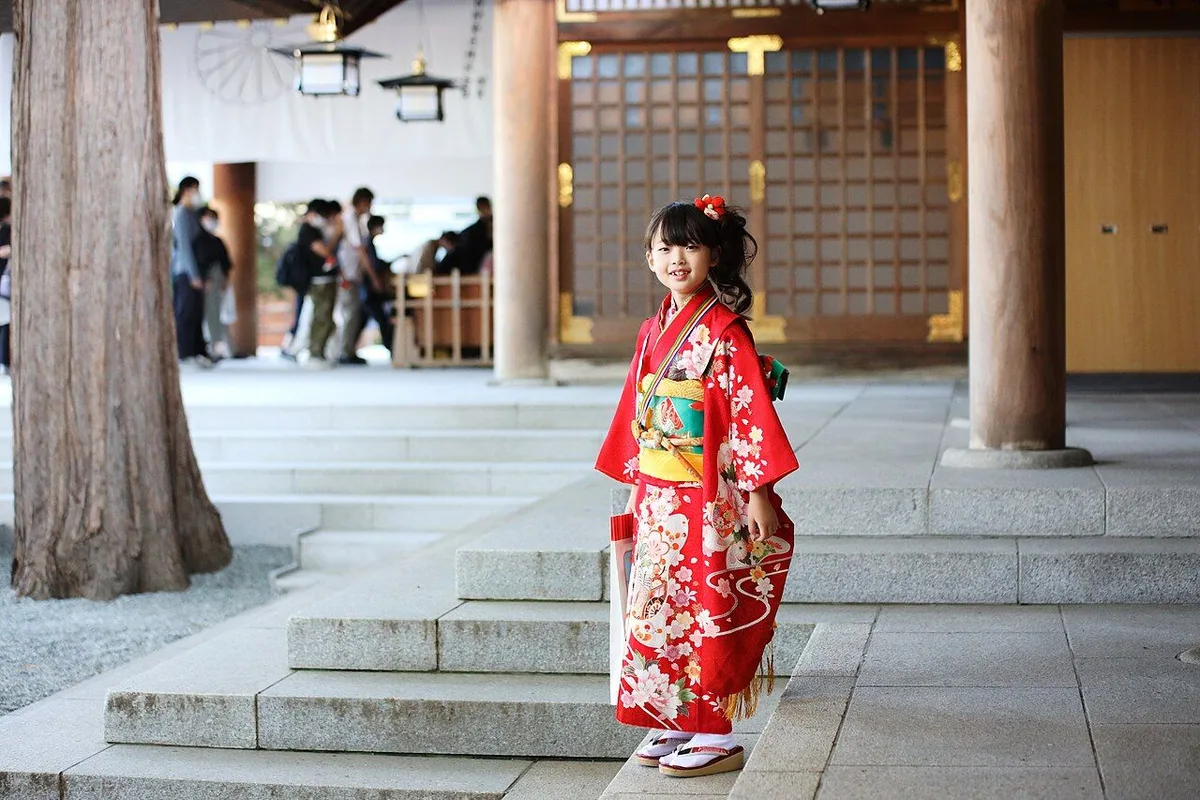 6–30 NovShichi-Go-San at Hokkaido JinguSapporo, Hokkaido · 663 km away
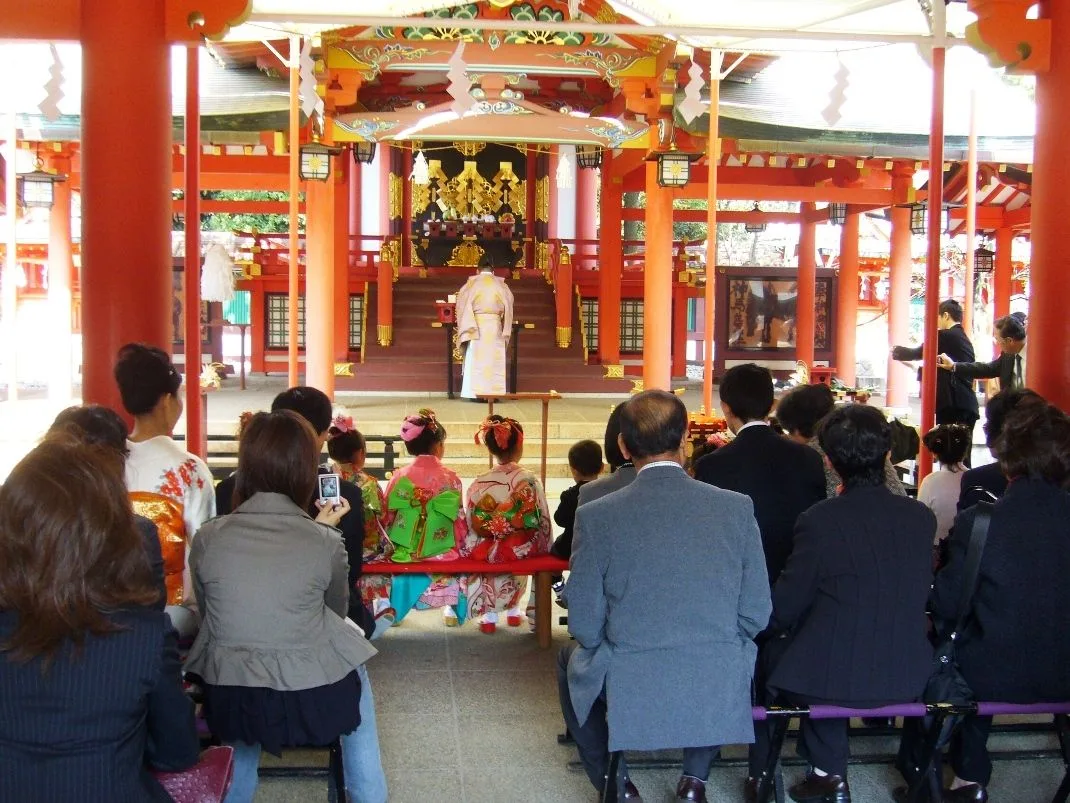 6–30 NovShichi-Go-San at Ikuta ShrineKobe, Hyogo · 498 km away
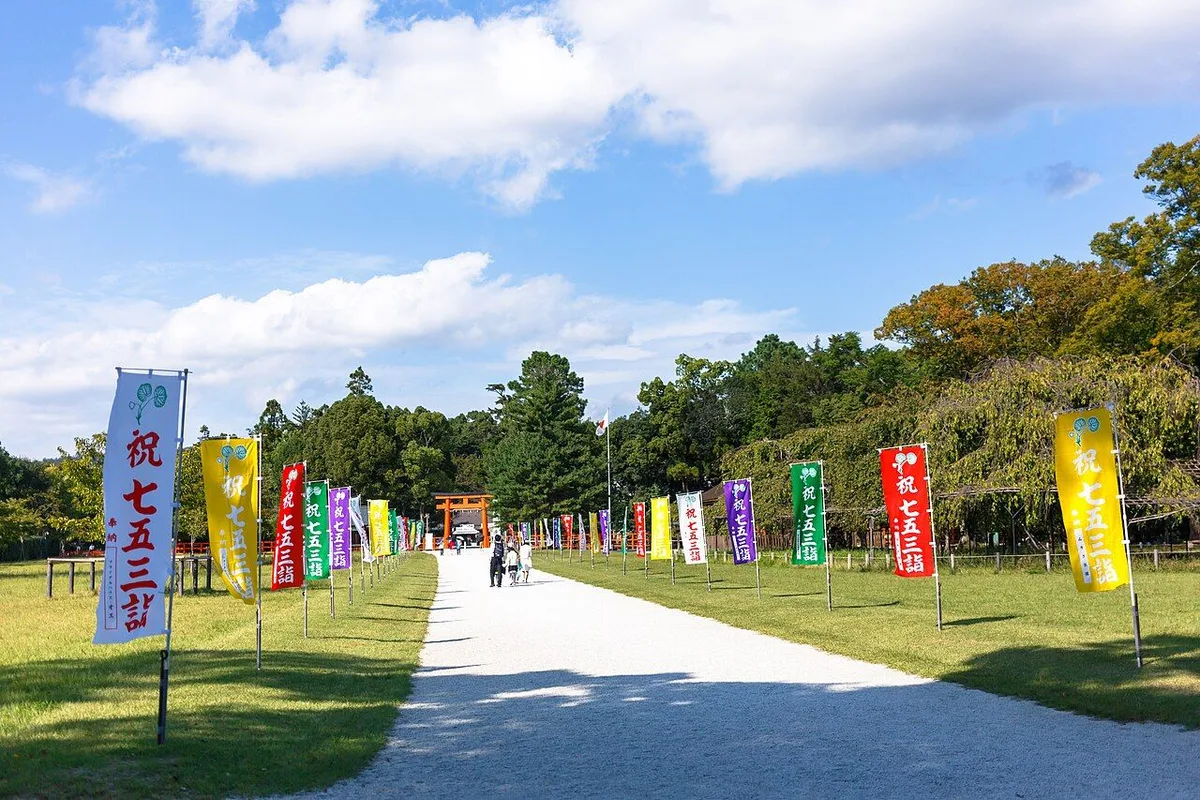 6 Nov – 6 DecShichi-Go-San at Kamigamo ShrineKyoto · 433 km away
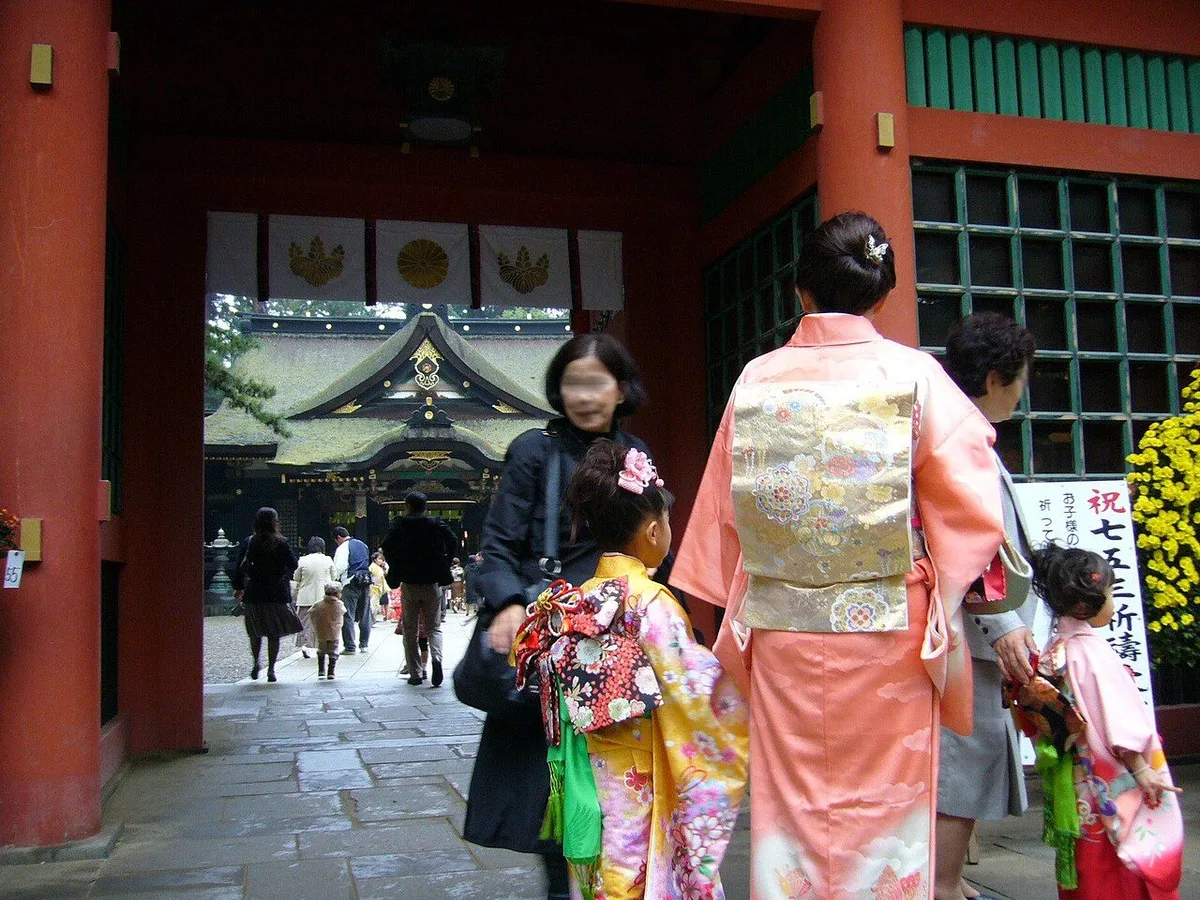 6–30 NovShichi-Go-San at Katori JinguKatori, Chiba · 161 km away
Nearby on the same days
Everything in Fukushima on these dates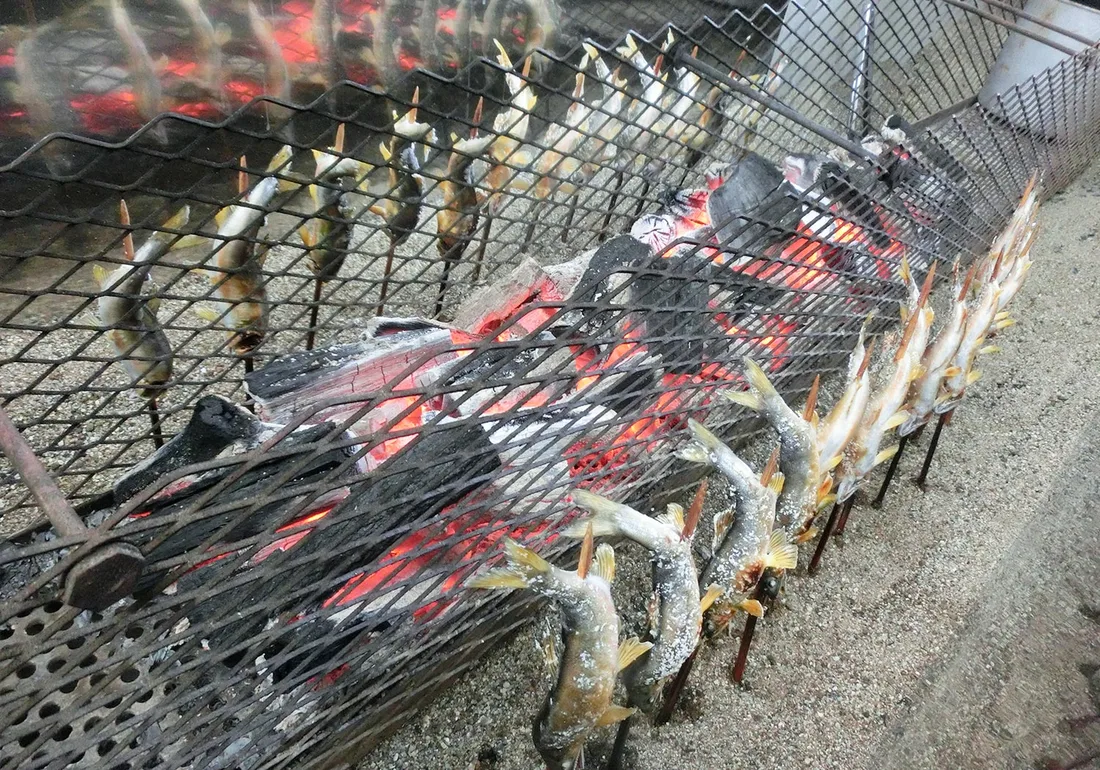
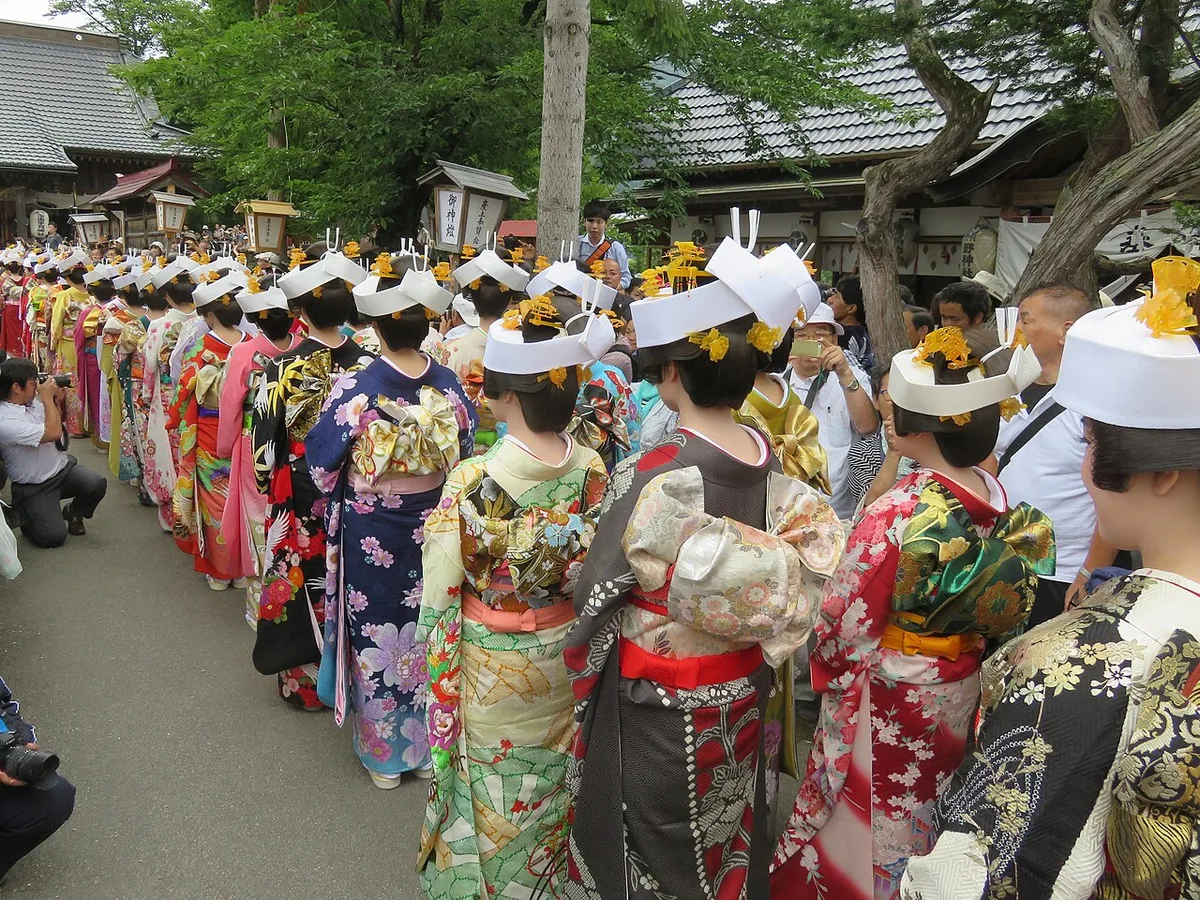
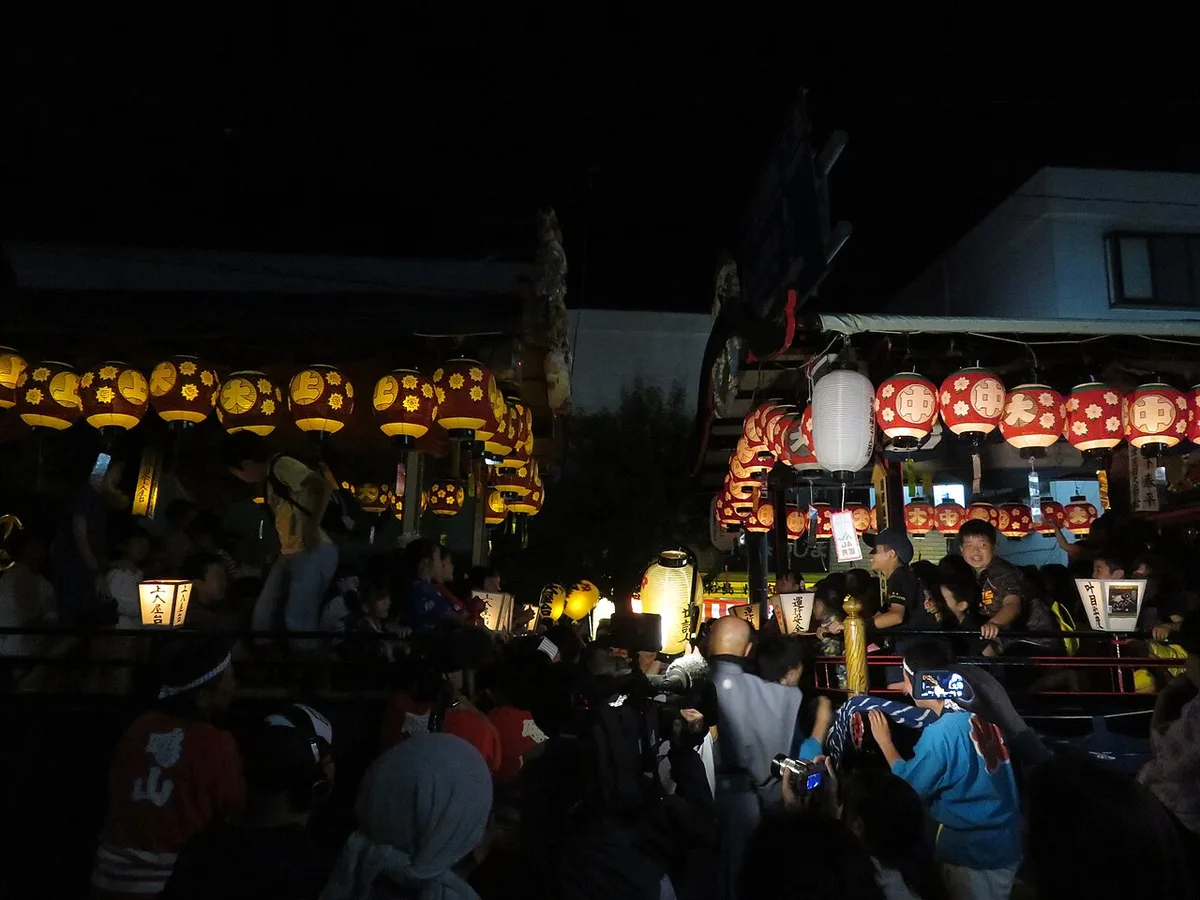
Early on the 23rd, women in formal bridal kimono walk in the Nanahokai procession, carrying offerings to the shrine. On the evenings of the 22nd and 23rd, large festival wagons roll through Tajima and children perform kabuki on their stages.
- Dates
- 22–24 JulSummer
- Where
- Tade-Uga Shrine and the streets of Tajima, FukushimaGoogle Maps
- Open
- Nanahokai procession about 7:50–8:30 on the 23rd · wagons and kabuki from 16:00 on the 22nd and 23rd (2026 times)
Programme · 3 days
Thu 22 Jul · Main rite 10:00 · wagons and children’s kabuki from 16:00 (2026 times)Fri 23 Jul · Nanahokai bridal procession about 7:50–8:30 · mikoshi 10:30 · wagons and kabuki from 16:00 (2026 times)Sat 24 Jul · Daidai kagura dances 13:00–15:00 (2026 times) - Tickets
- Free to watch; there are no paid seats.
- Nearby on the same days
- Sweetfish at Nasu Kanko Yana1 Jun – 31 Oct · 31 kmAll in Fukushima on these dates
- Source
- Official site · checked 2026-10-29
Background
The festival of Tade-Uga and Kumano shrines has been kept for more than 800 years by host households called otoya, and is a nationally designated Important Intangible Folk Cultural Property.